
 All cheeses
 Small cheese wheels
 Cheese pieces
 Whole cheeses
 Organic cheeses
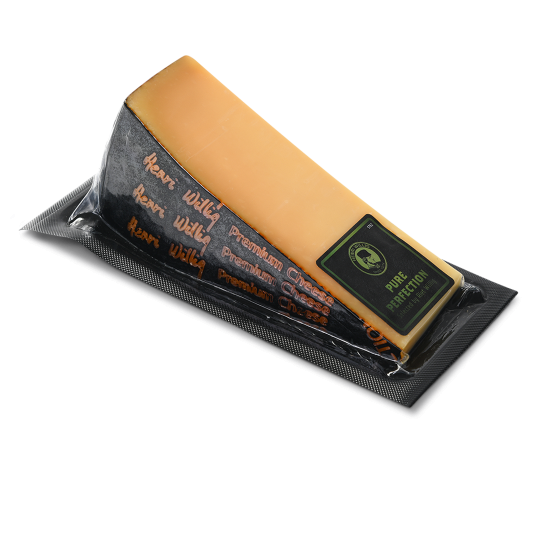 Cheese family line
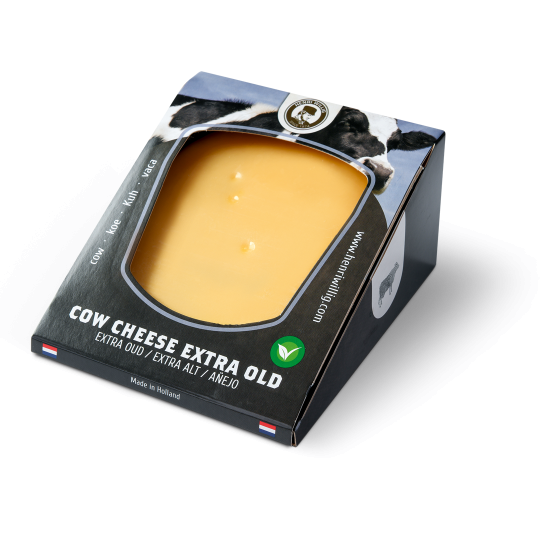 Premium selection
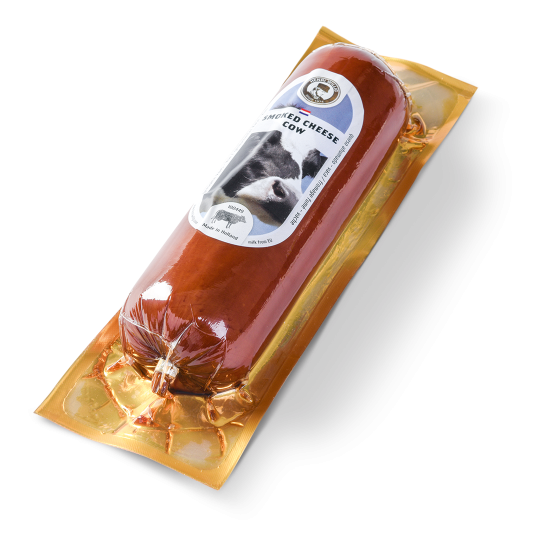 Smoked cheese

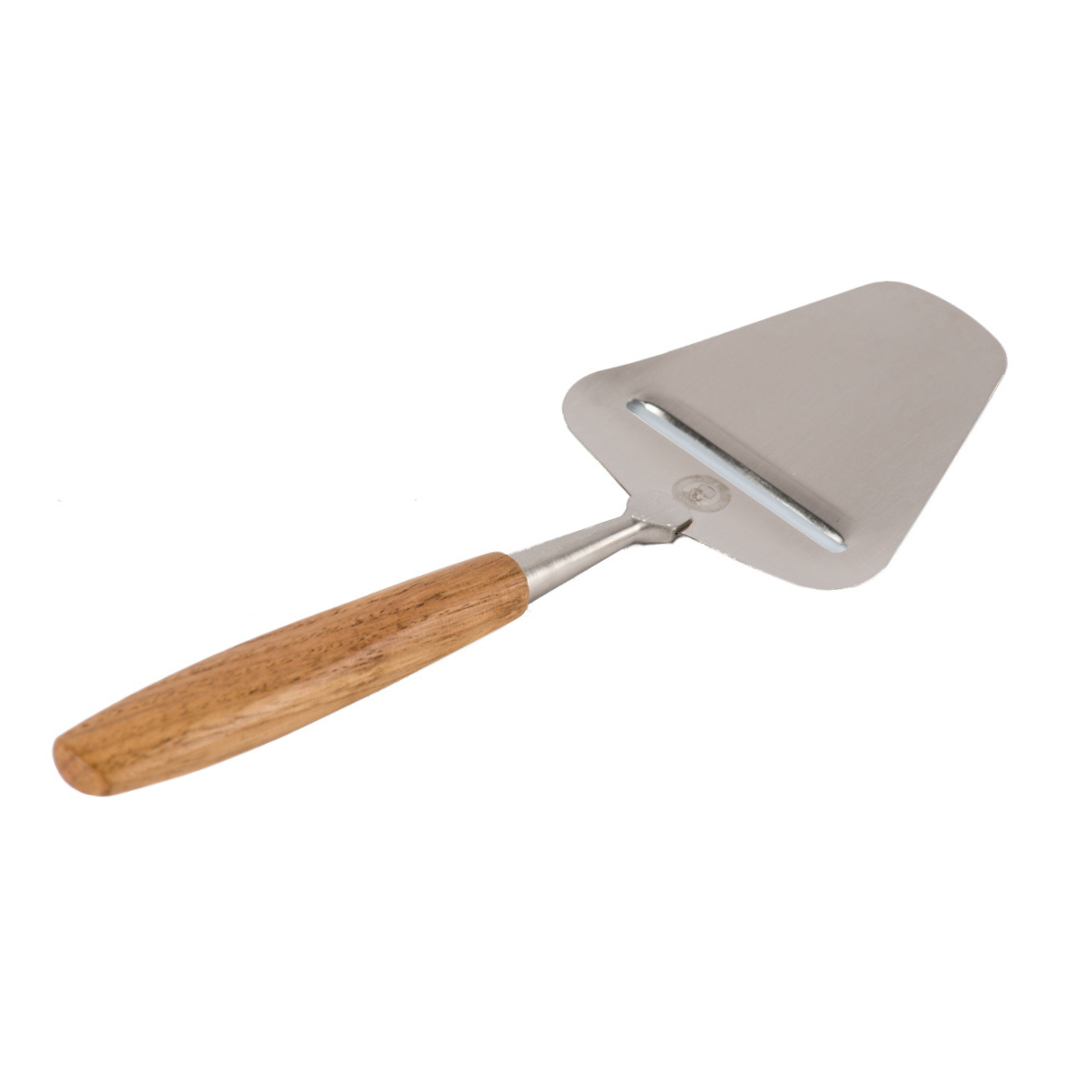 Cheese slicers
 Cheese graters
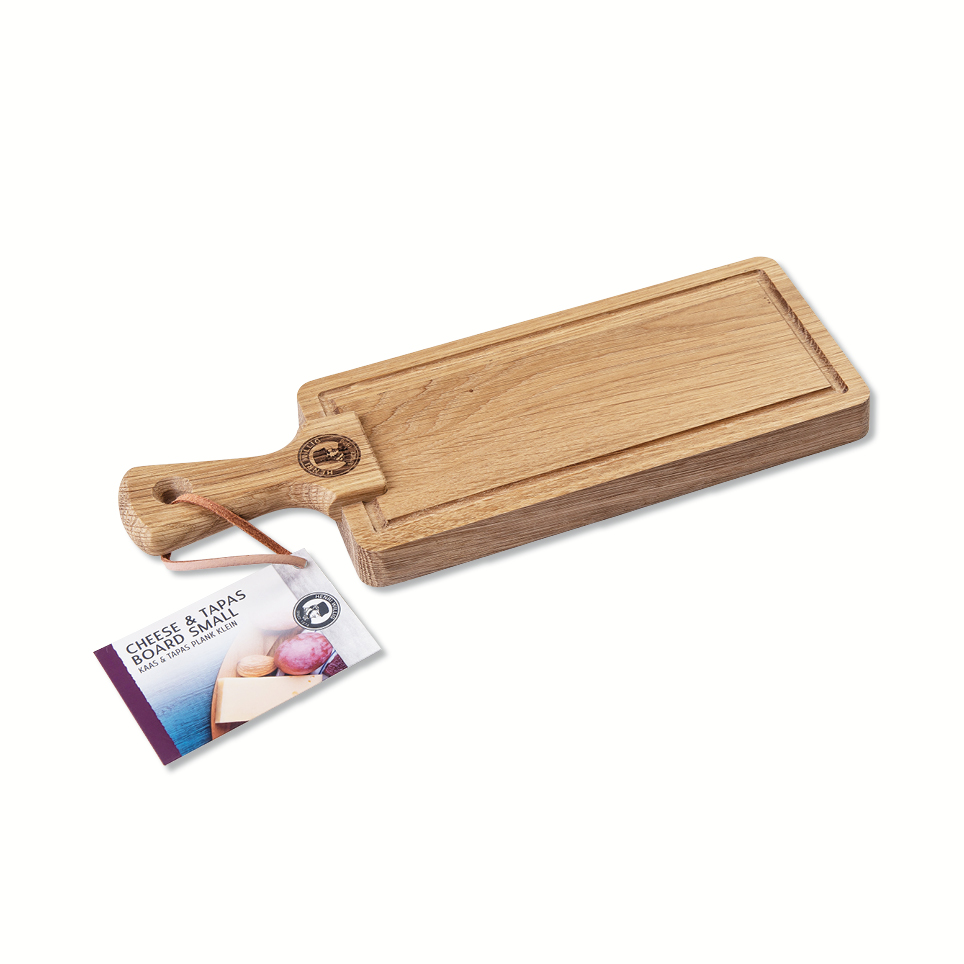 Cheese boards
 Cheese knives
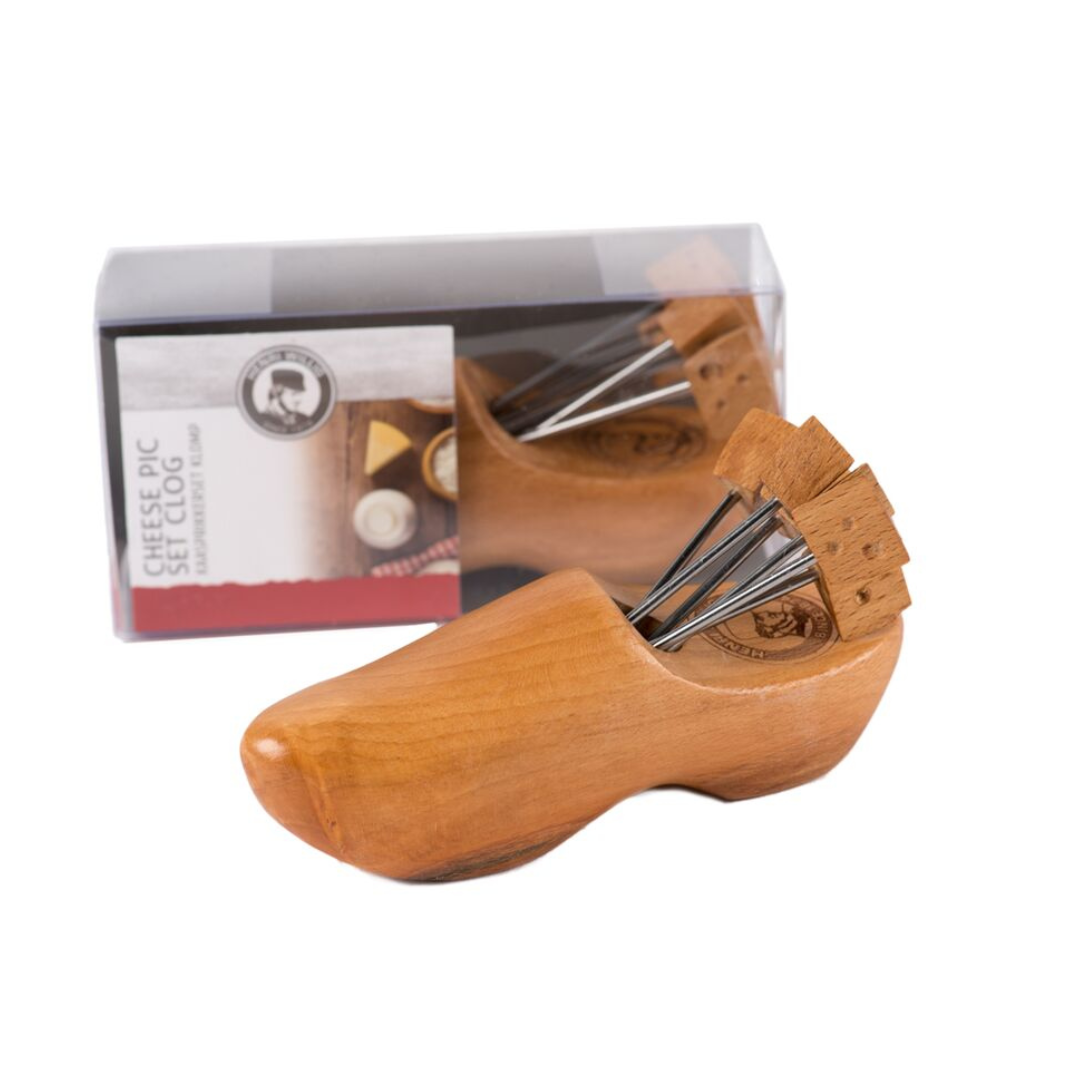 Other accessories

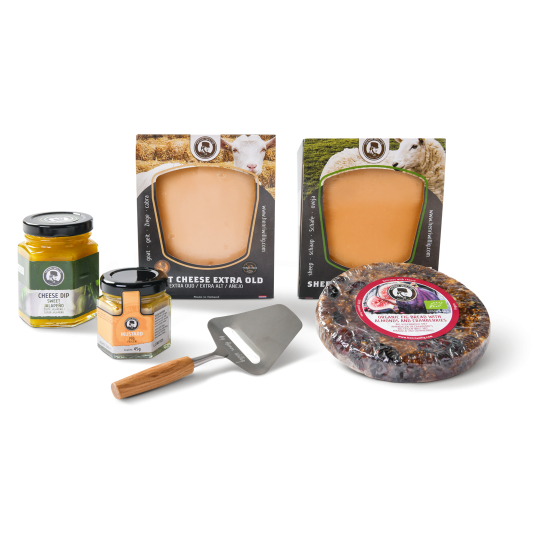 Cheese gifts
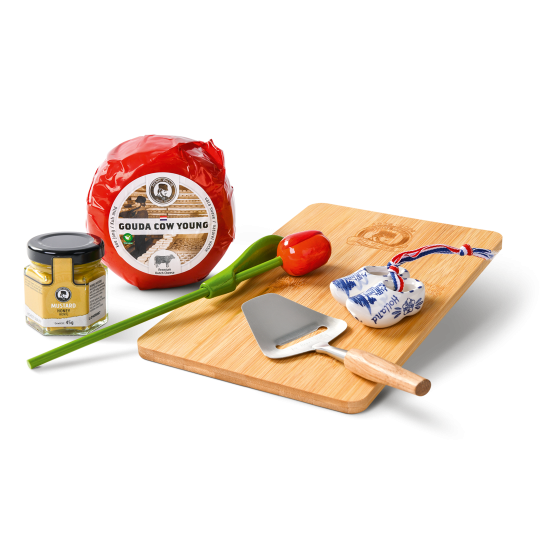 Easter gifts
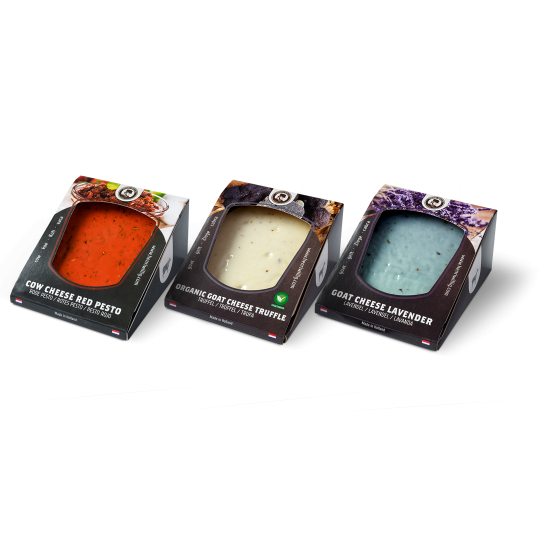 Combined sets
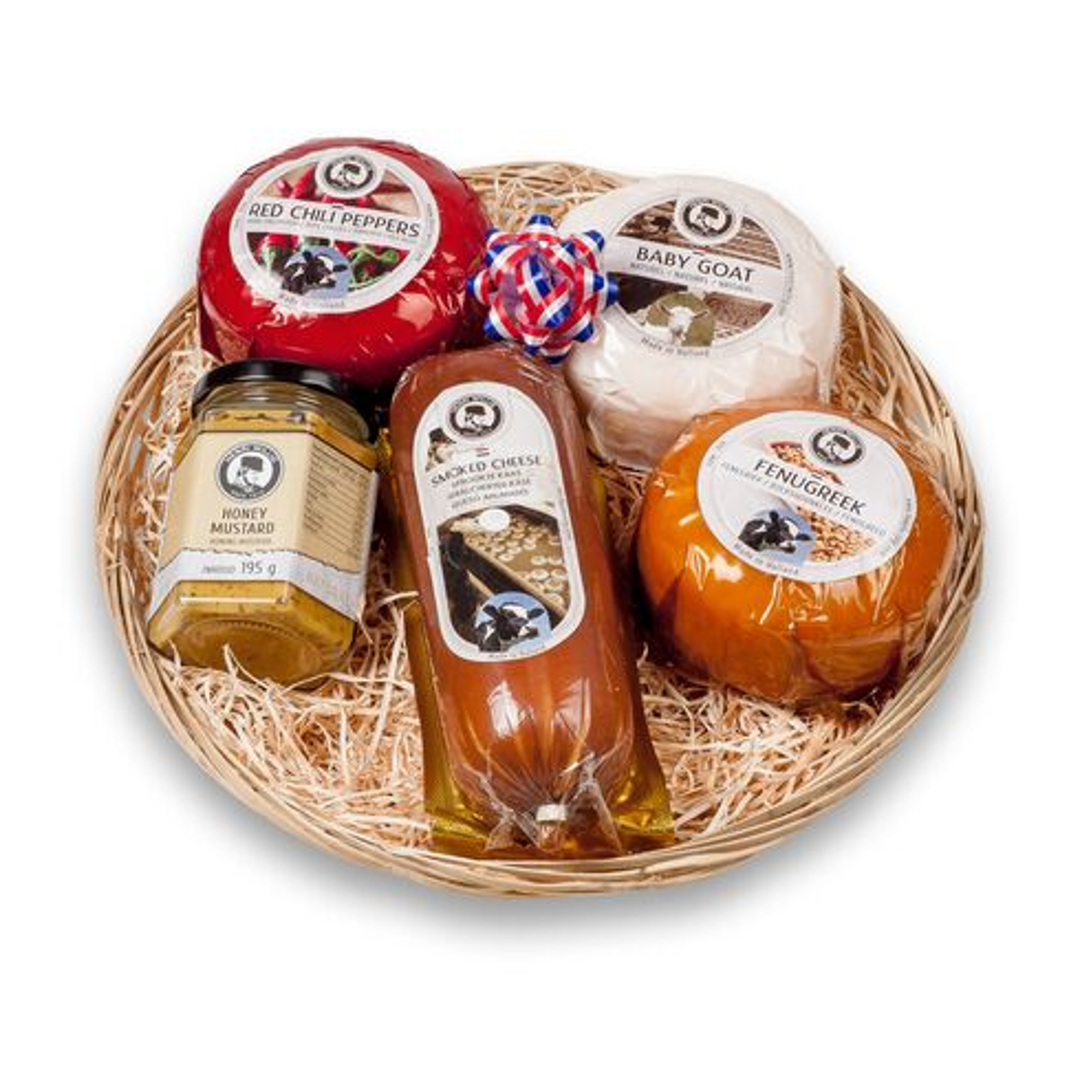 Corporate gifts
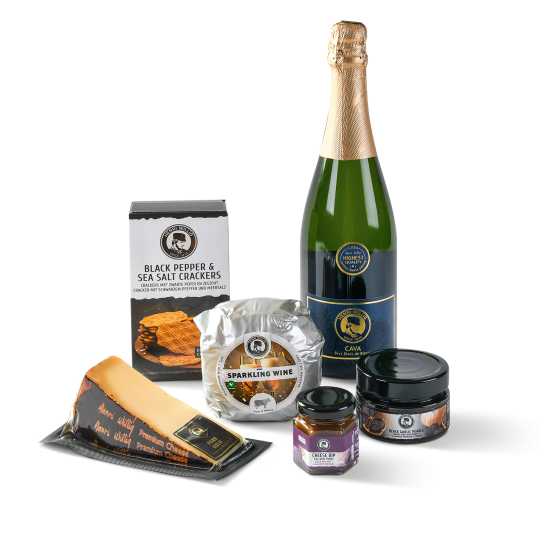 Christmas gifts

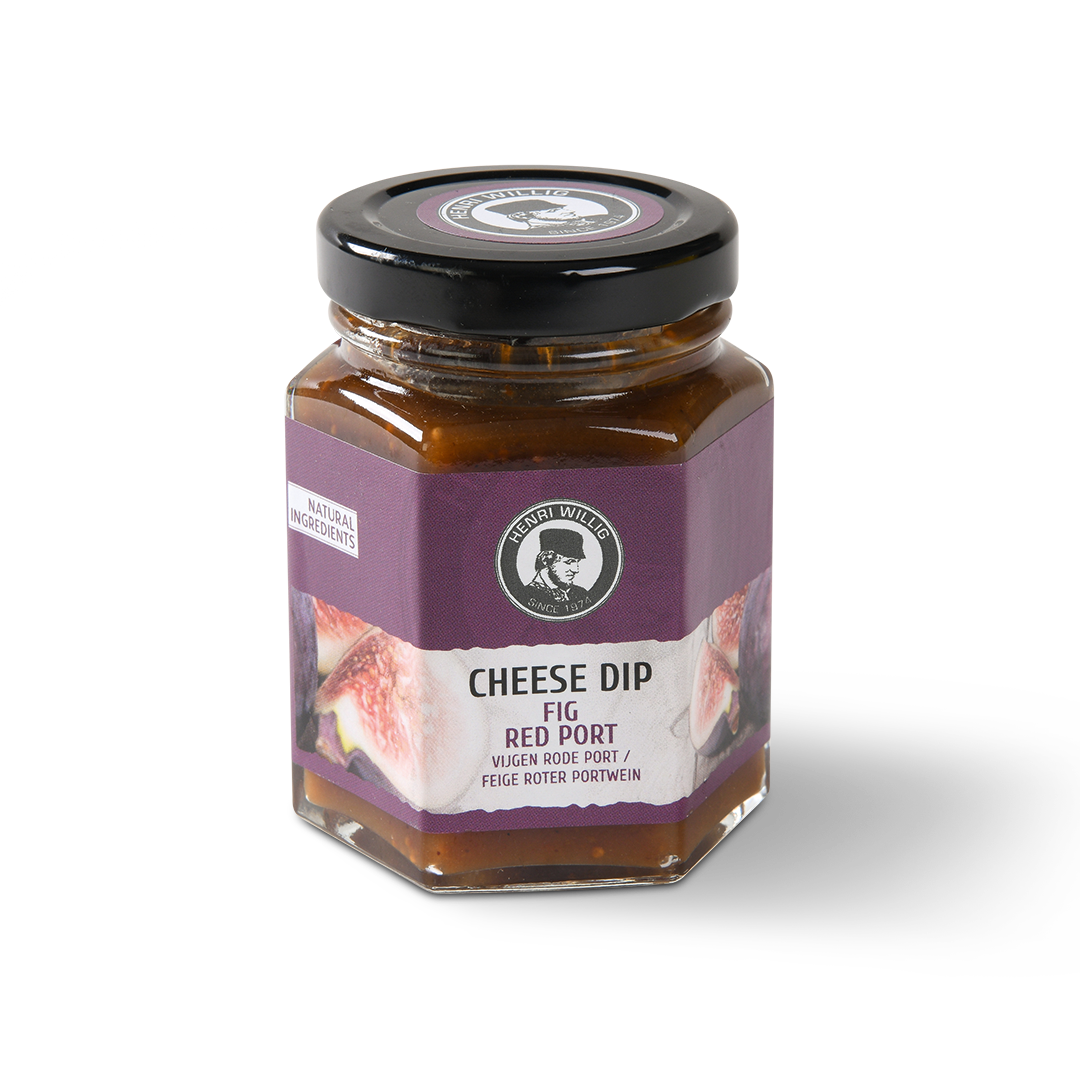 Cheese Dips
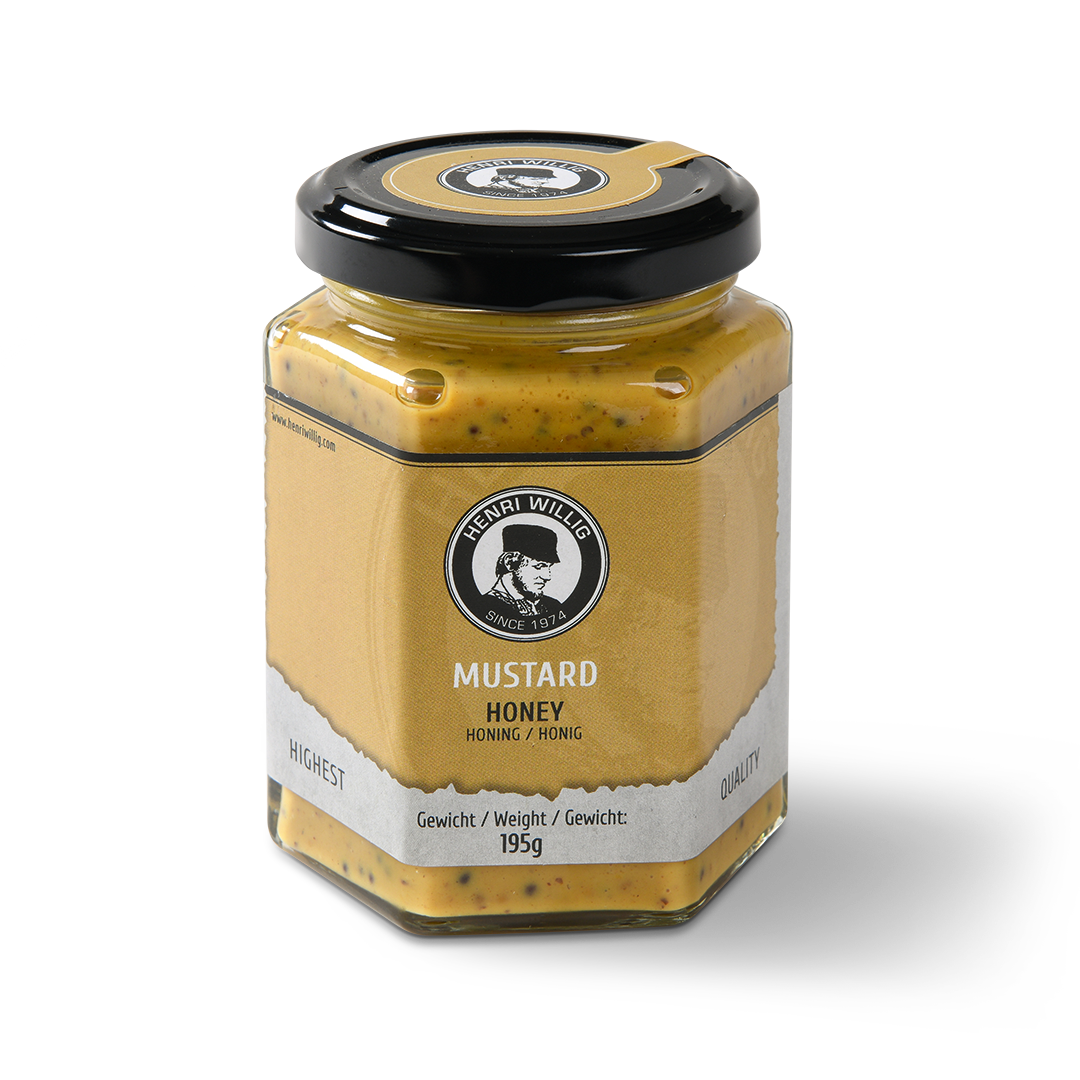 Mustard
 Alcoholic products

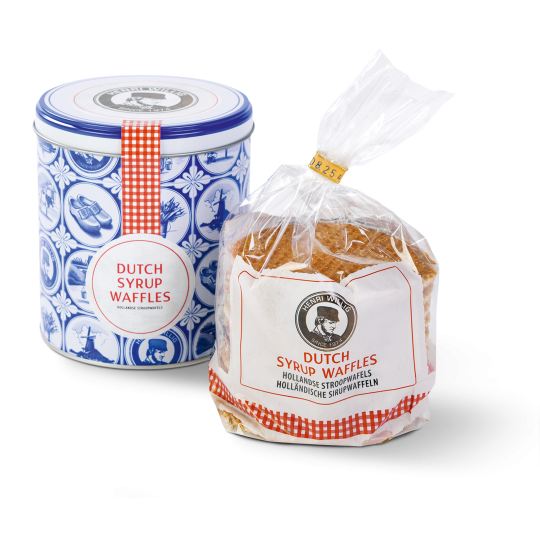 Syrup waffles
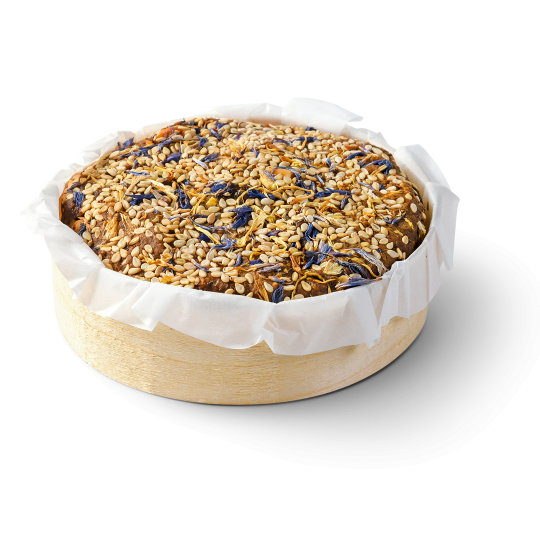 Fig Bread
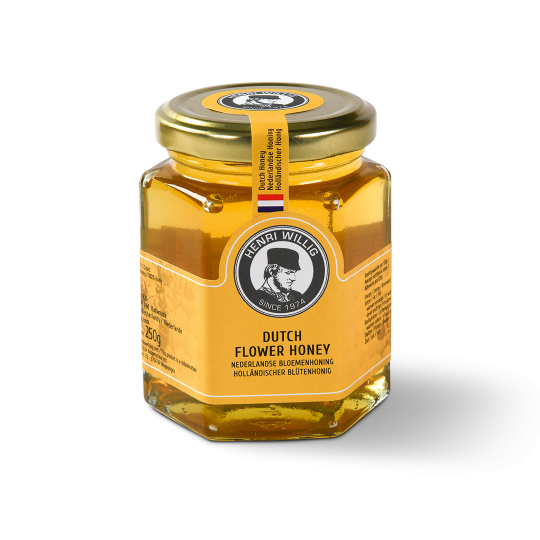 Honey
Honey
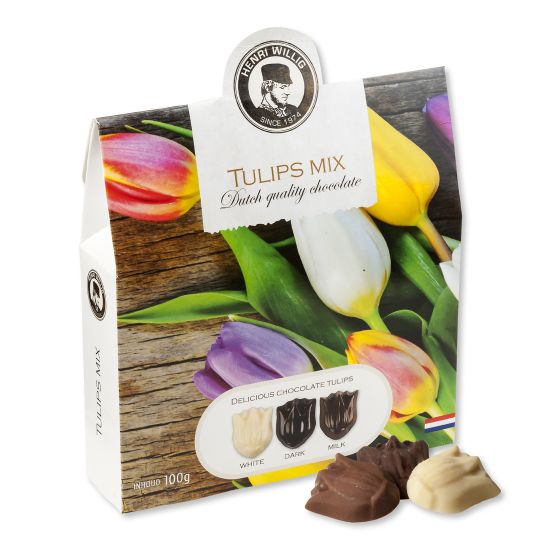 Chocolate
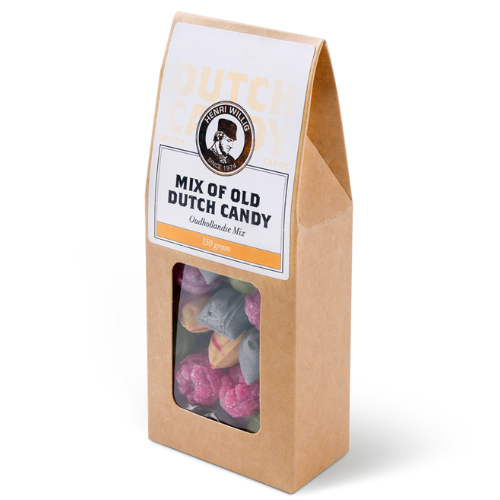 Candy
Candy

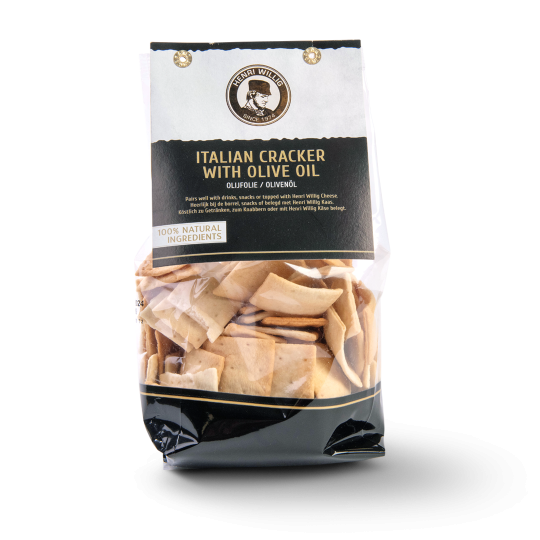 Savoury snacks
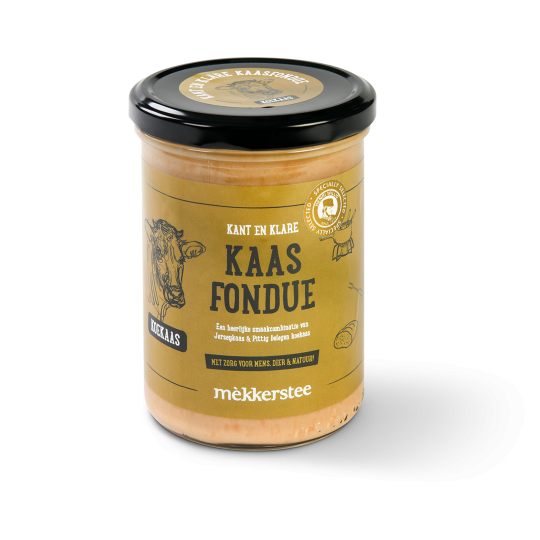 Cheese fondue
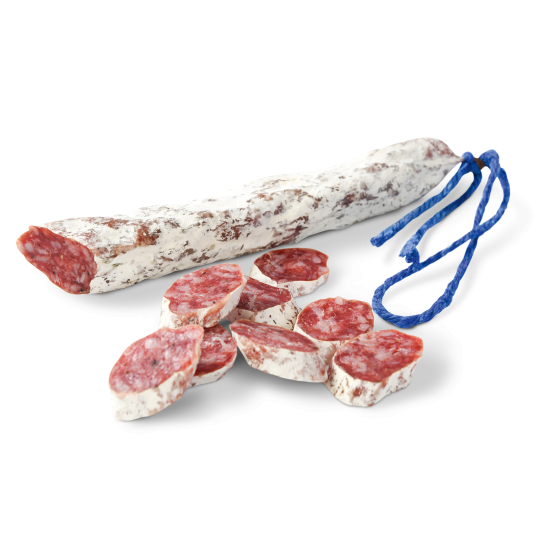 Fuet sausages


 Cheese stores
 Cheese farms
 Experiences
 Grand Cafe Henri Willig Giethoorn
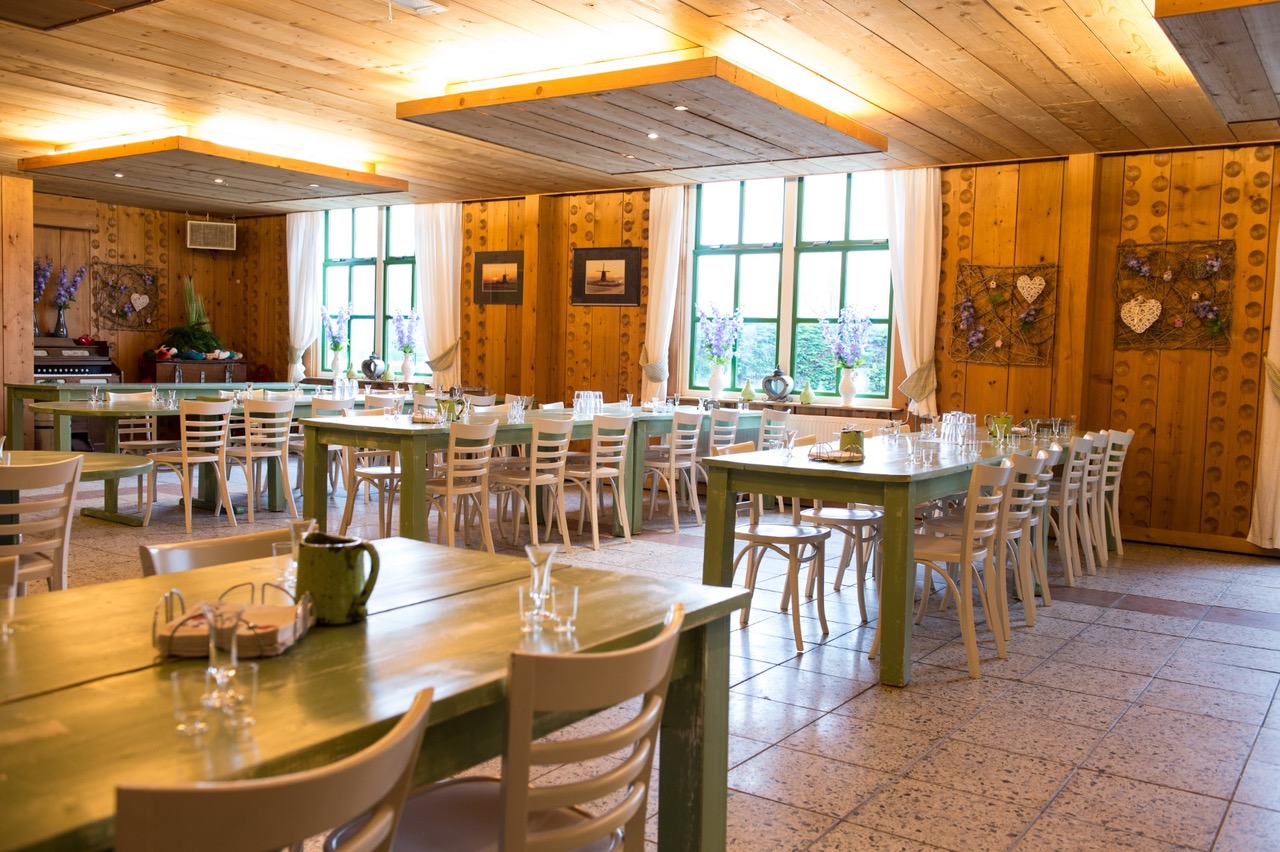 Restaurants
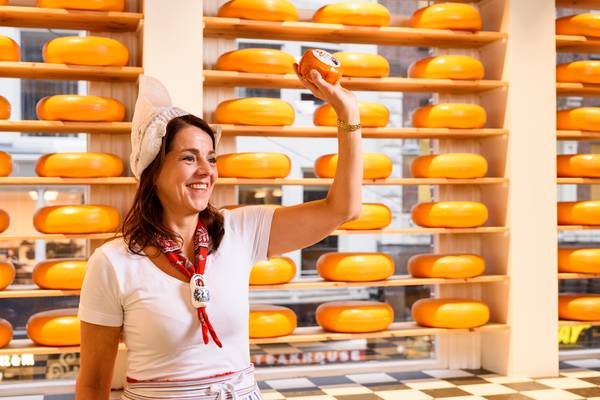 Tastings
 Recipes
 Meeting & Events
 The Henri Willig family farm
 Cheese Production Process
 Experience our cheese
 CSR
CSR

Which cheese should you choose for a cheese board?

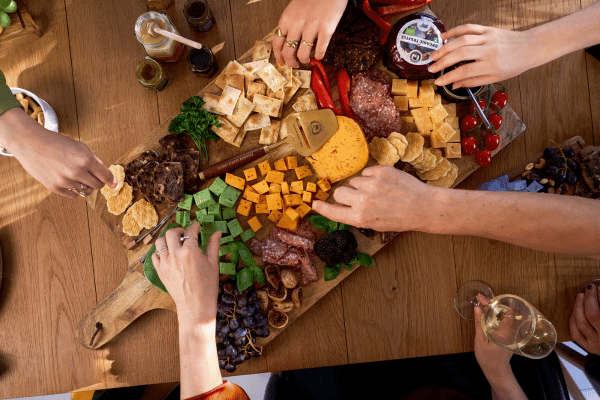
For a good cheese platter, choose at least three to five cheeses that differ from one another in flavour, texture and maturity: for example, a mild young cheese, a creamy goat’s or sheep’s cheese, and a tangy mature cheese. This way, you’ll experience a progression from mild to strong, rather than the same flavour in slightly different forms.
How many types of cheese should you serve on a cheese board?
For a relaxed get-together, three to four types of cheese are more than enough. If you are hosting an extensive cheese tasting, you can increase this to five or six varieties. More is not necessarily better: it is all about creating variety in flavour and texture, rather than simply adding more cheese to the board.
Build up from mild to strong
Arrange the cheeses so they can be tasted from mild to strong. Start with a young, creamy cheese and finish with an aged or seasoned cheese with more character. This prevents stronger flavours from overpowering your palate before you have had the chance to enjoy the more subtle cheeses.
Combine cow, goat and sheep cheese
A board with only cow's cheese lacks variety. Add a creamy goat's cheese for a fresher flavour and a sheep's cheese for a richer, rounder finish. Combining cow, goat and sheep cheese allows your guests to discover the differences between all three in one tasting.
How much cheese per person for a cheese board?
If you are serving the cheese board as part of a selection of snacks, allow approximately 75 to 100 grams of cheese per person. If the cheese board is the main course of the evening, aim for around 150 to 200 grams per person. These amounts are only a guideline, so adjust them depending on how many other dishes you are serving.
What should you serve with a cheese board?
The right accompaniments complete a cheese board. Serve mustard or a cheese dip for a fresh contrast, fig bread or honey for a touch of sweetness, and add nuts or grapes for extra texture and freshness.
- Mustard or cheese dip
- Fig bread or honey
- Nuts and grapes
Recent posts
-
Which cheese is low in lactose?
12 Aug 2026 -
Which cheese do you choose for a fondue?
11 Aug 2026 -
What is the difference between cow’s, goat’s and sheep’s cheese?
11 Aug 2026 -
Everything you need to know about eating goat cheese during pregnancy
10 Aug 2026 -
Eating cheese safely during pregnancy: which cheeses are suitable?
10 Aug 2026
Order via our webshop
-
 Cheese inspiration recipes
 -
 Premium cheese from Holland
 -
 Customers rate us with an average of 9.5
 -

1145 PM Katwoude
Netherlands
+31(0) 299 655 151
9:00 - 17:00 CET (mon-fri)
KvK: 36037970
BTW: NL006196238B01
© 2004 - 2026 Henri Willig Kaas