
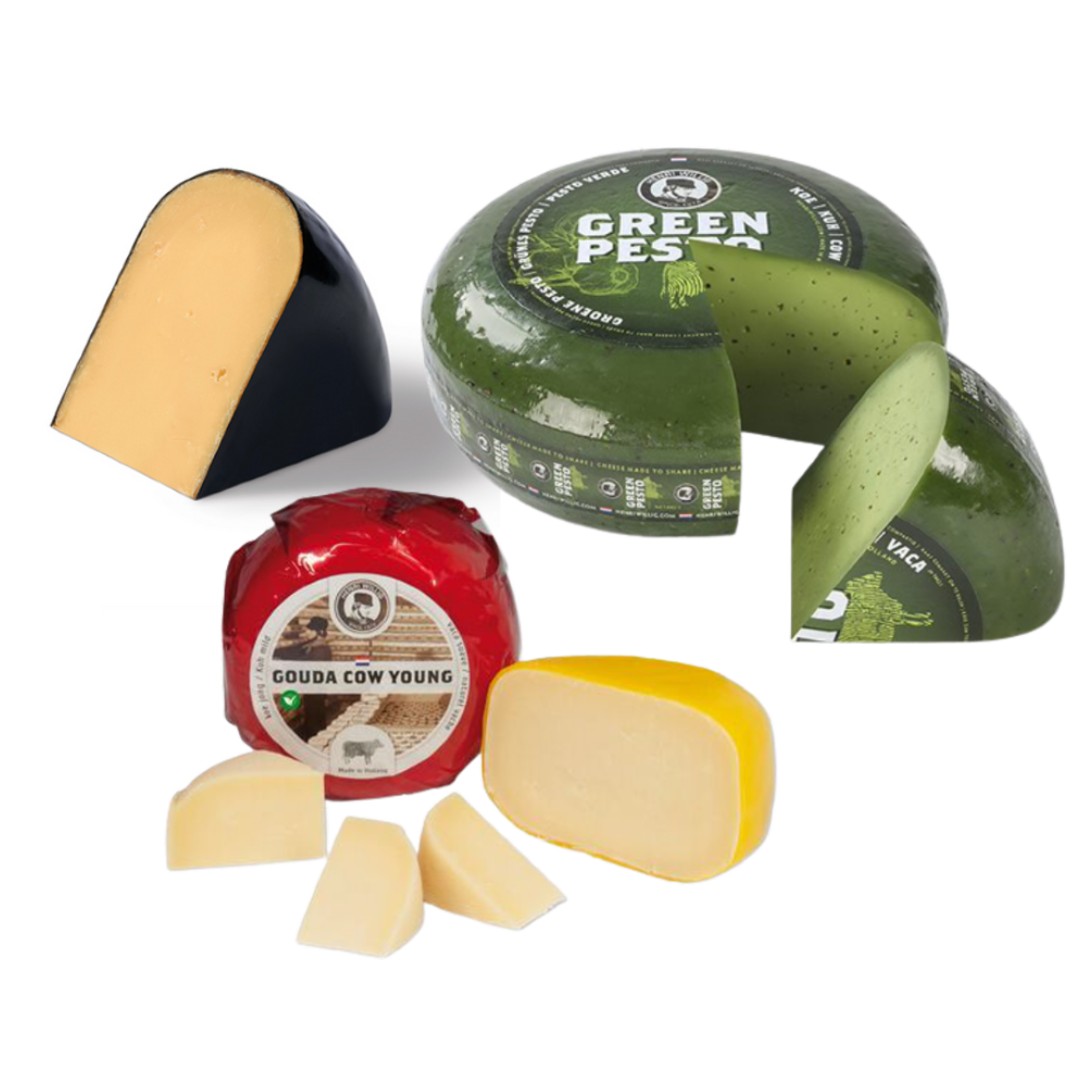
 All cheeses
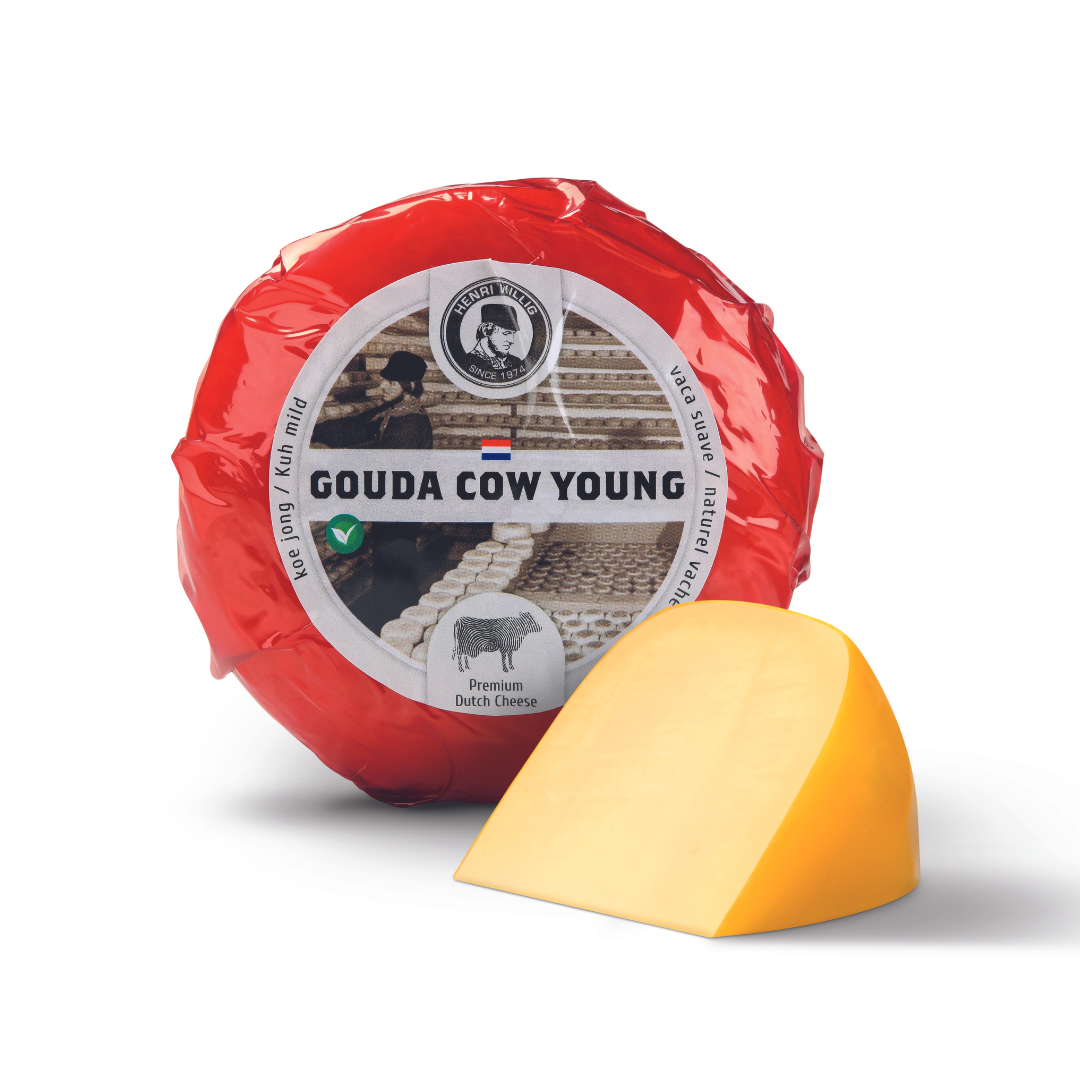 Small cheese wheels
 Cheese pieces
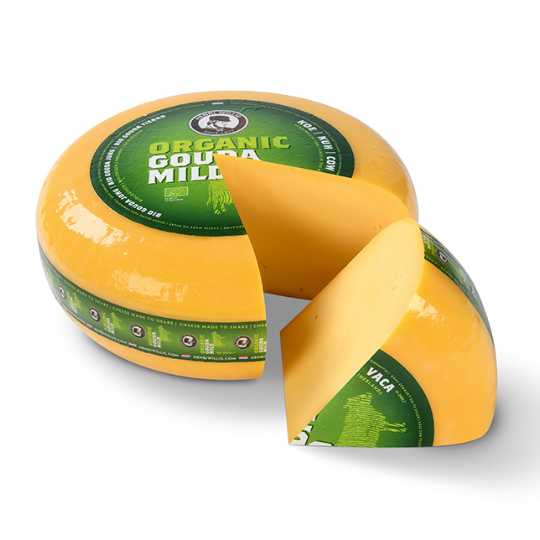 Whole cheeses
 Organic cheeses
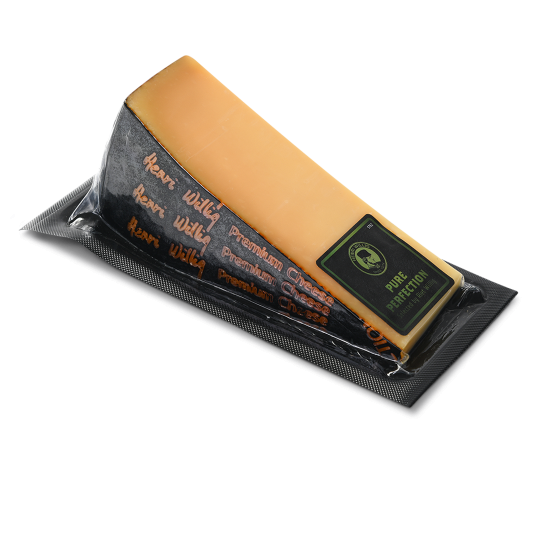 Cheese family line
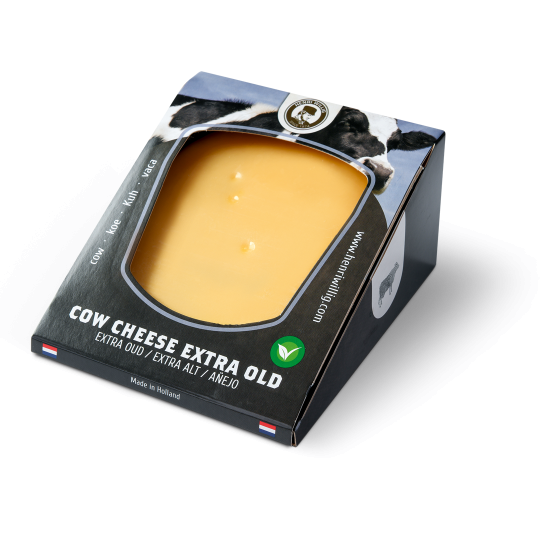 Premium selection
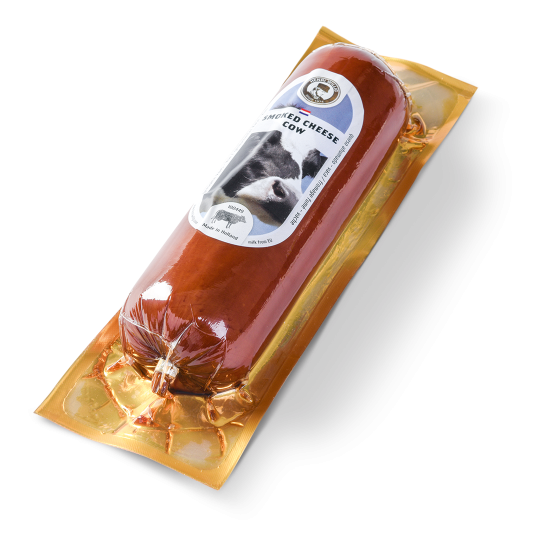 Smoked cheese

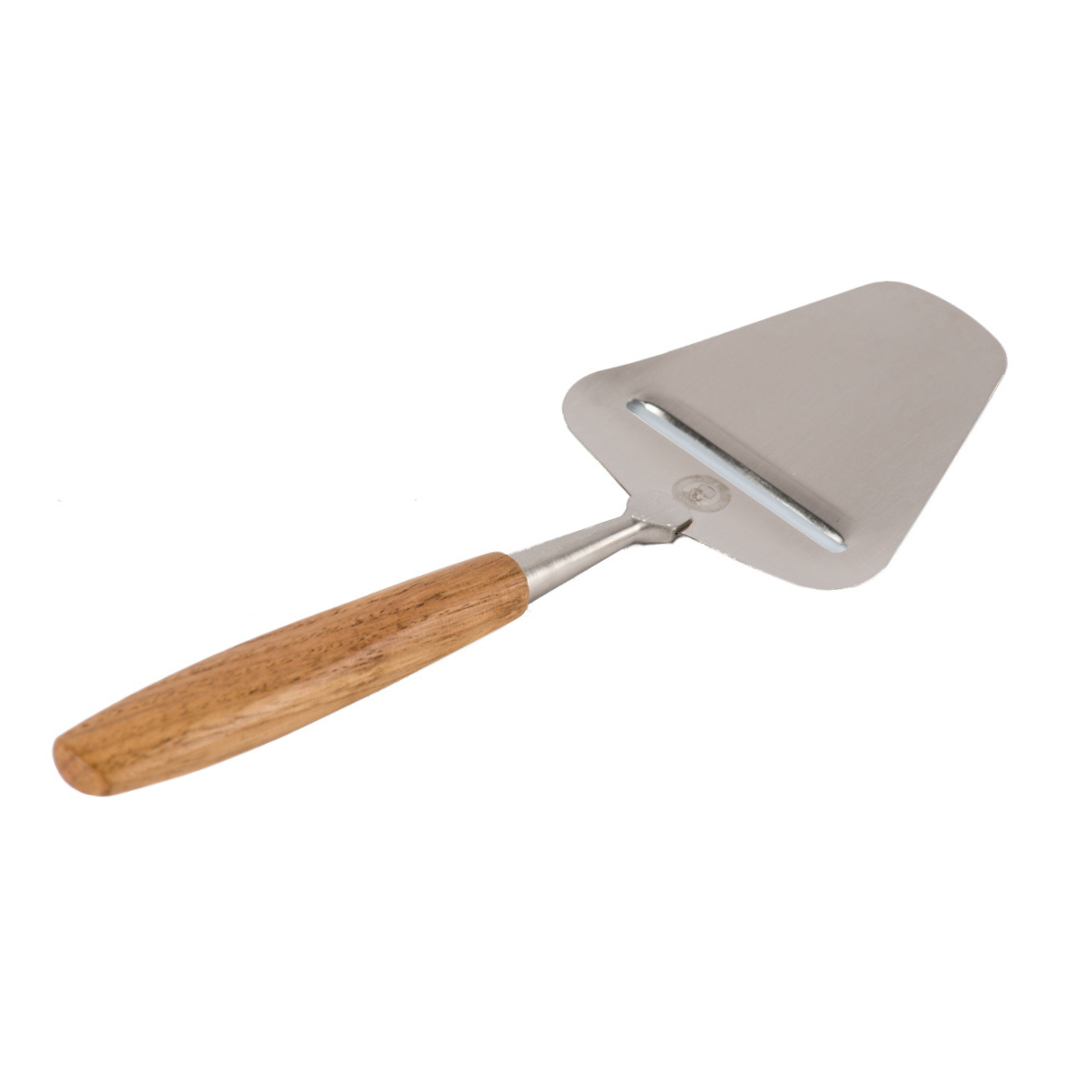 Cheese slicers
 Cheese graters
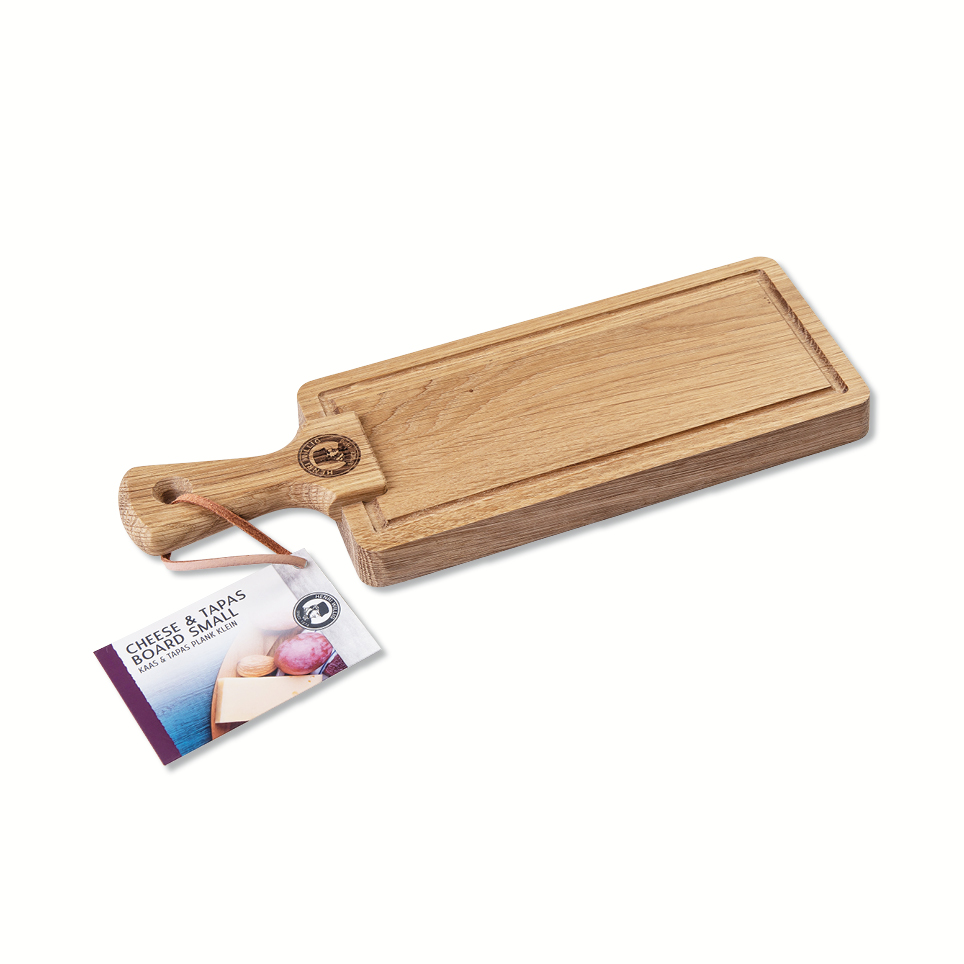 Cheese boards
 Cheese knives
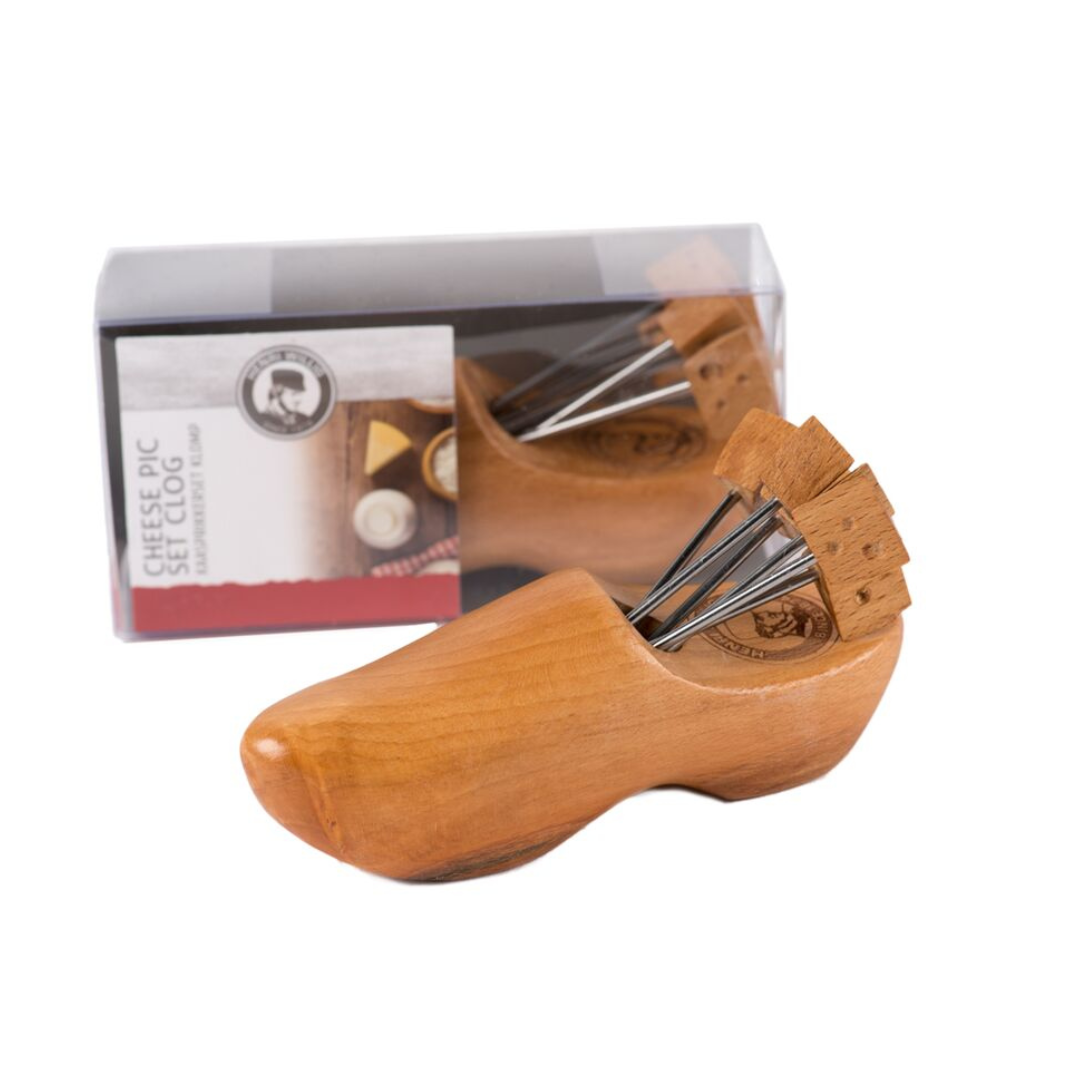 Other accessories

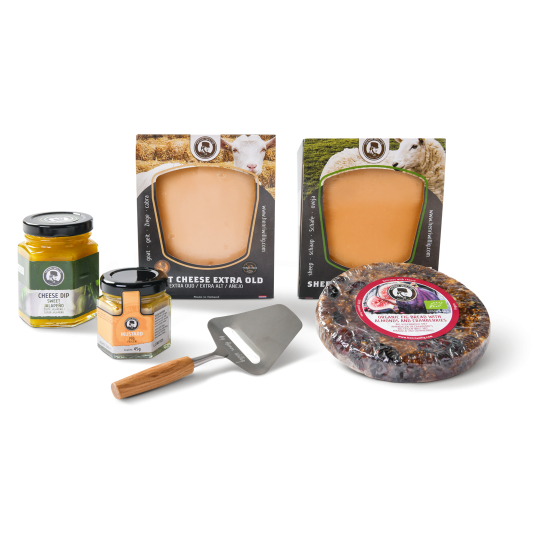 Cheese gifts
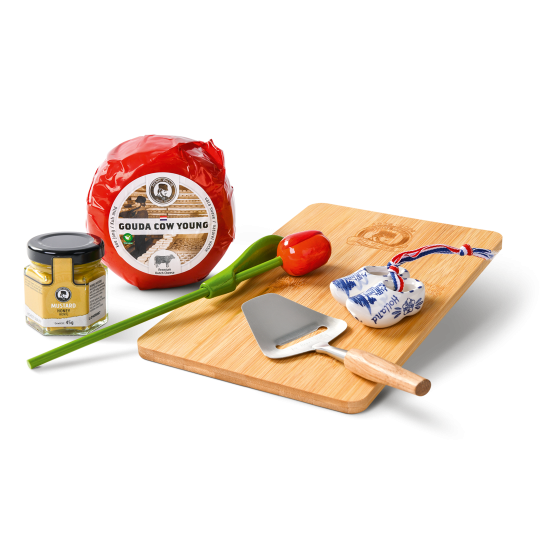 Easter gifts
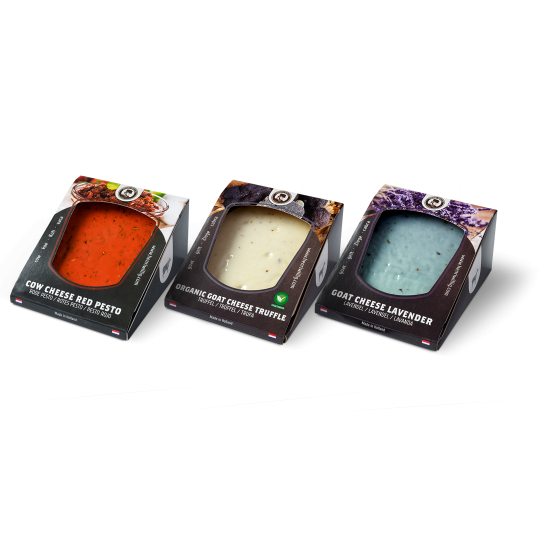 Combined sets
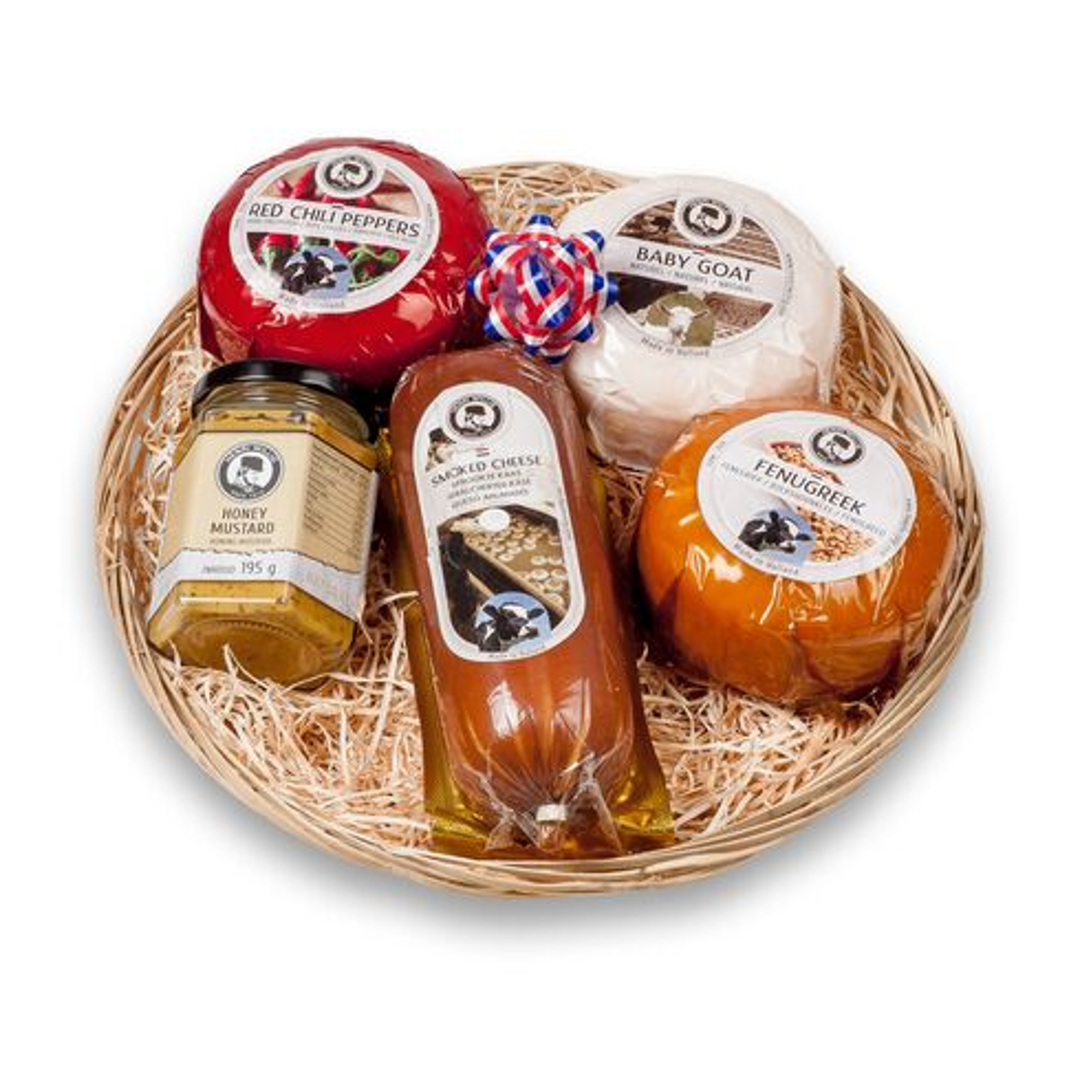 Corporate gifts
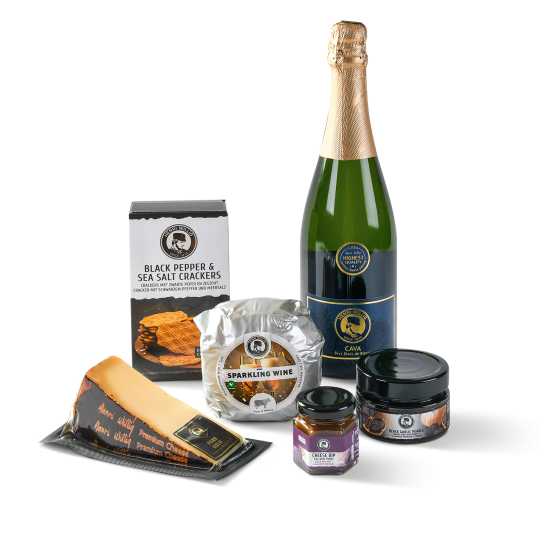 Christmas gifts

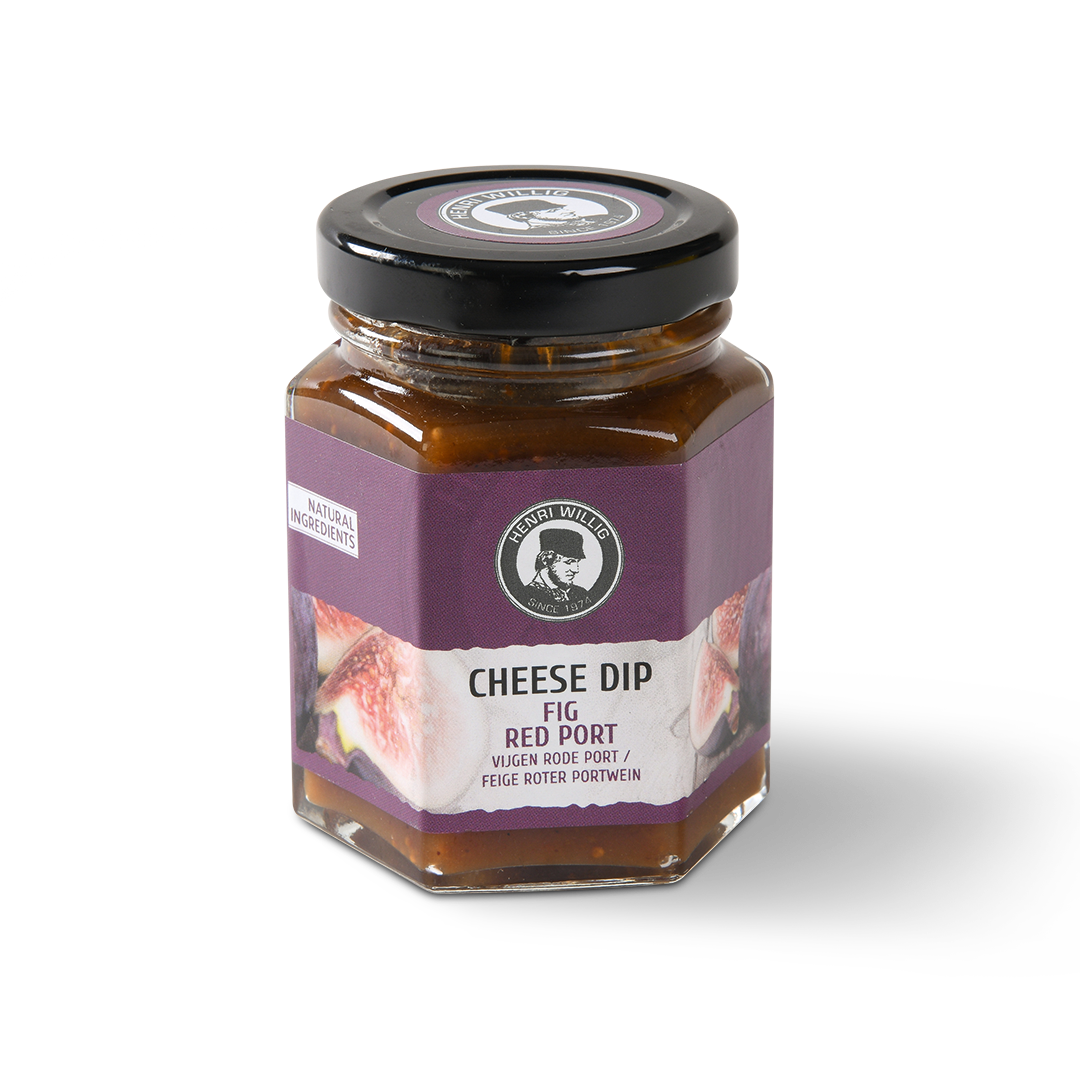 Cheese Dips
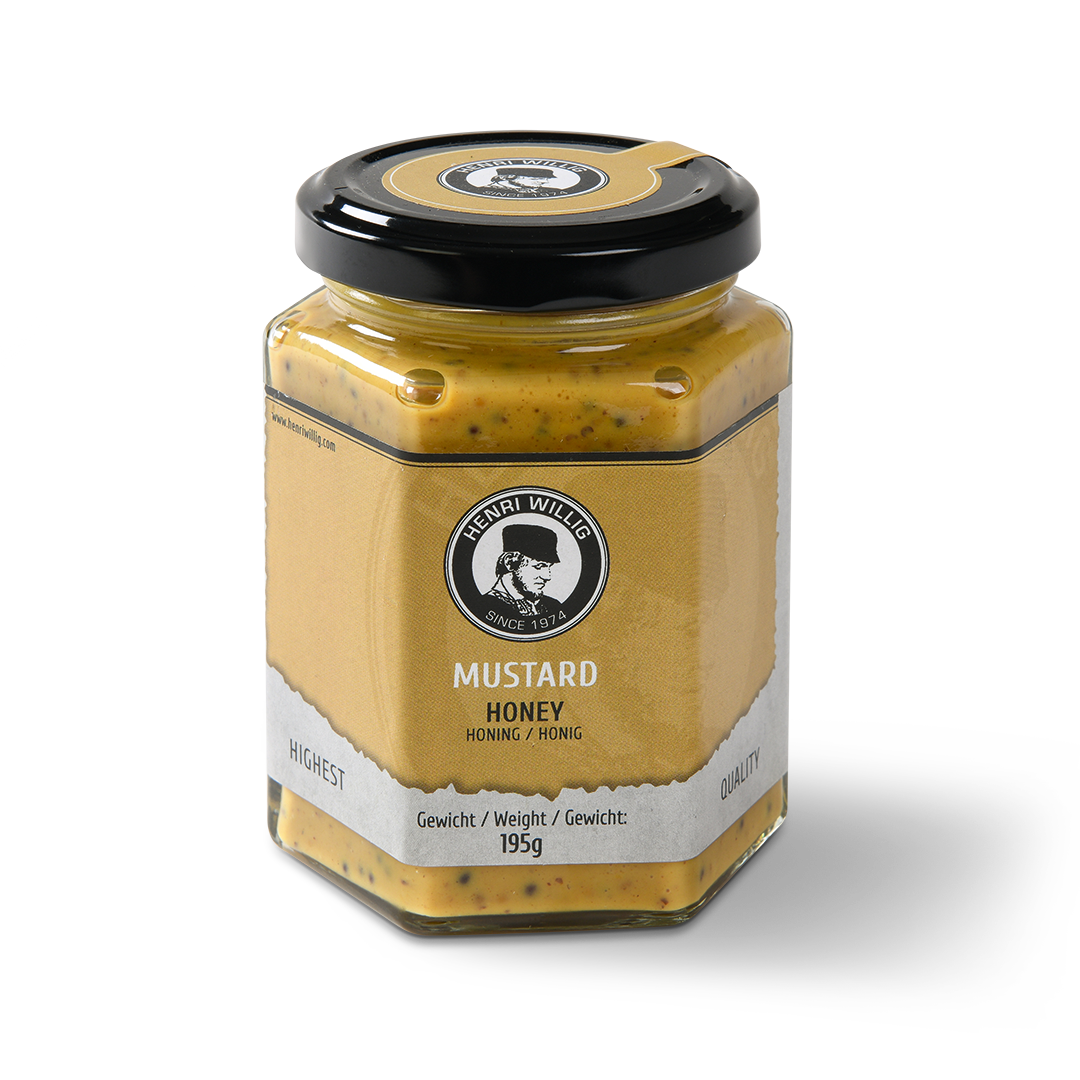 Mustard
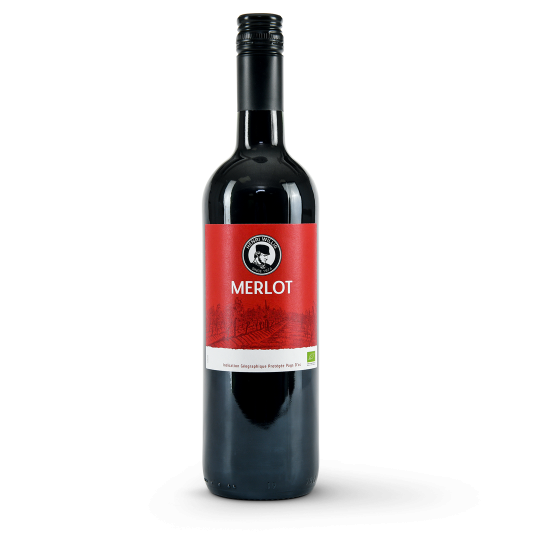 Alcoholic products

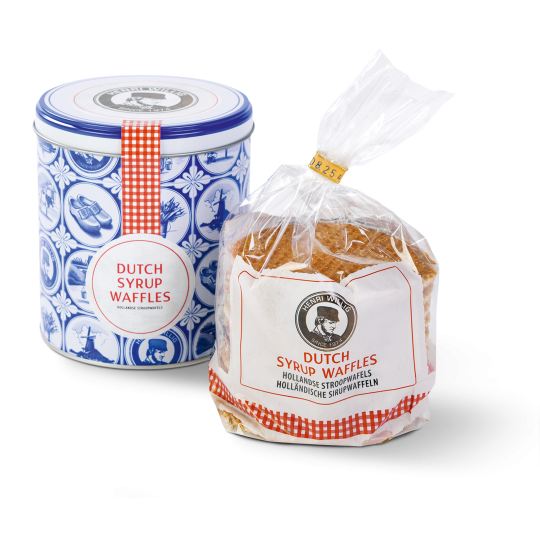 Syrup waffles
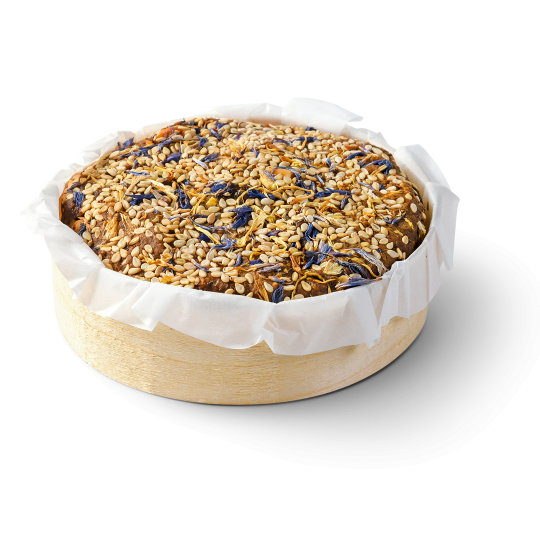 Fig Bread
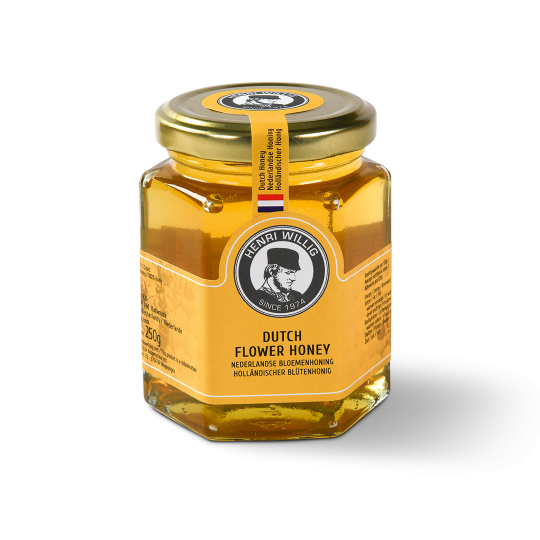 Honey
Honey
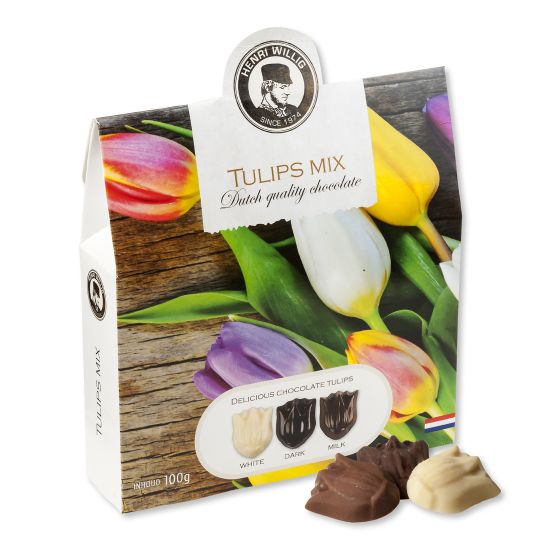 Chocolate
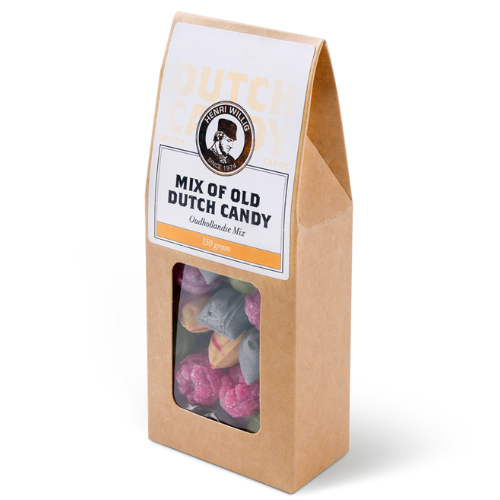 Candy
Candy

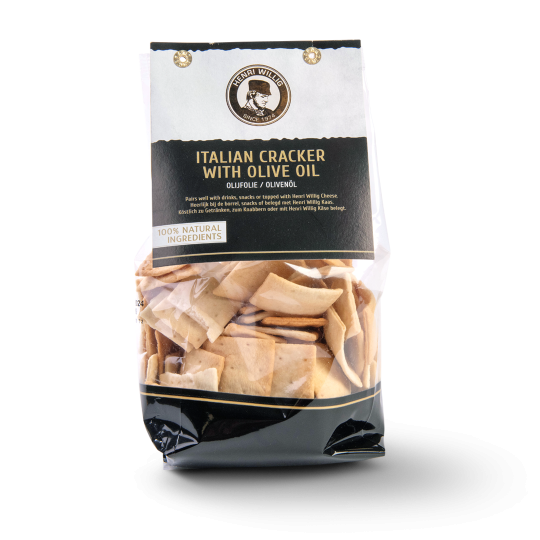 Savoury snacks
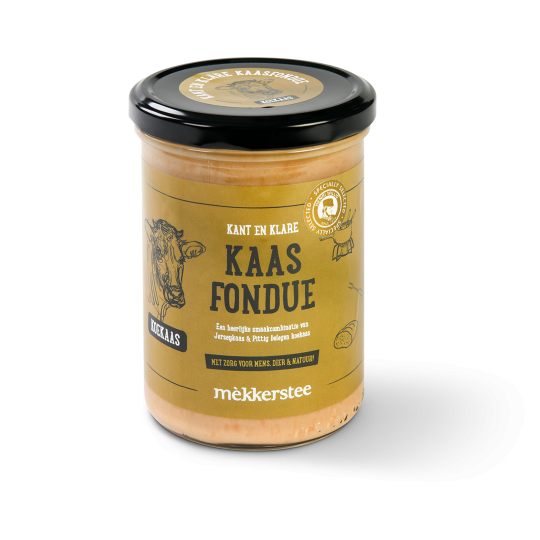 Cheese fondue
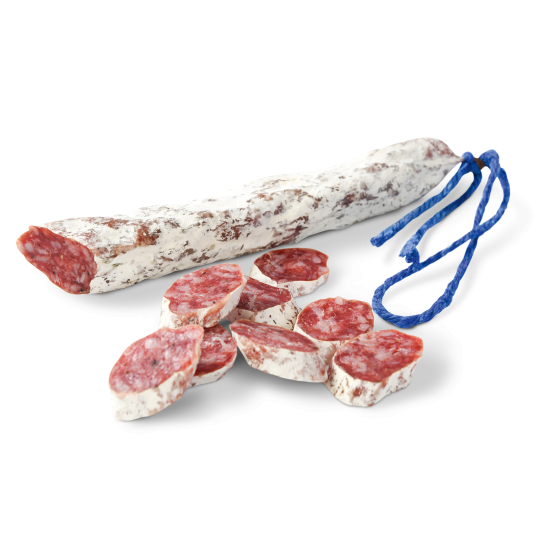 Fuet sausages


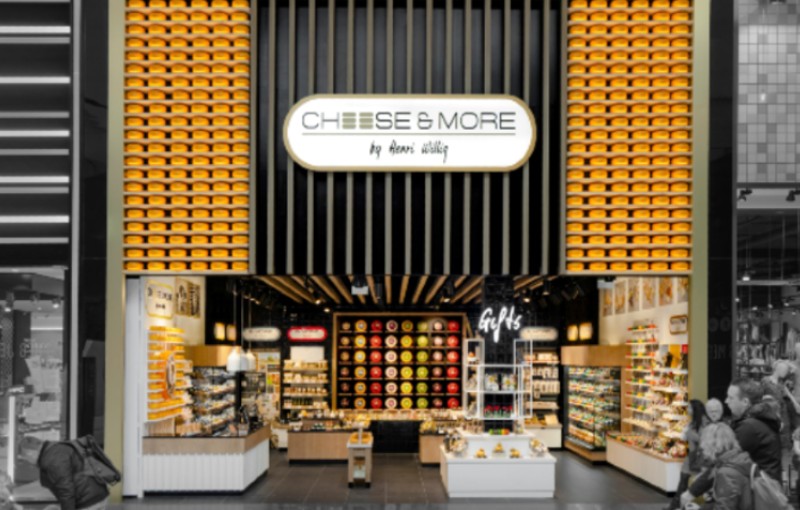 Cheese stores
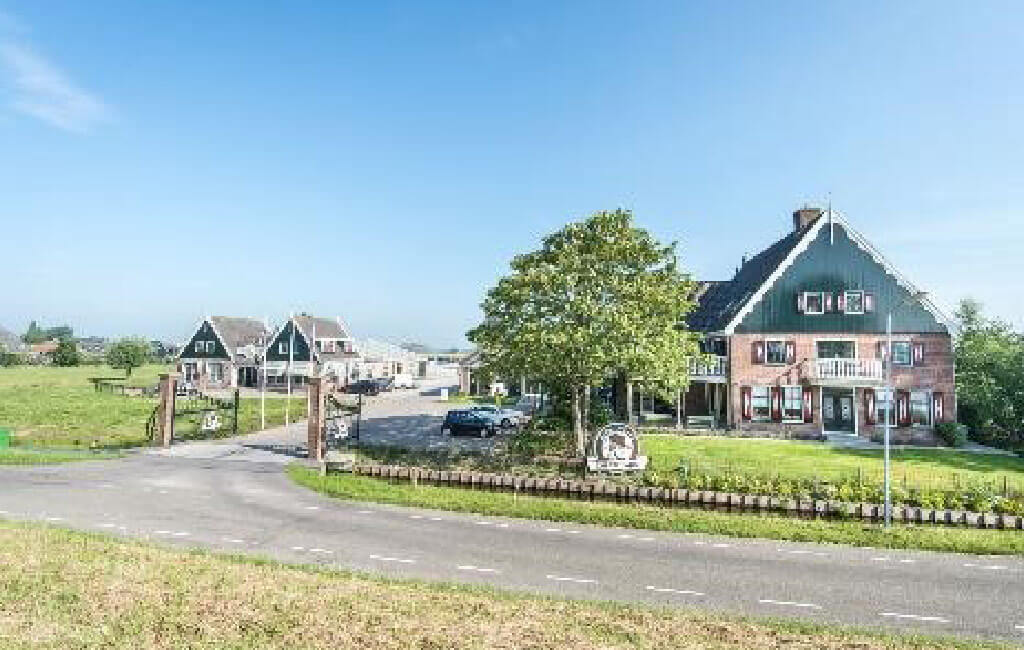 Cheese farms
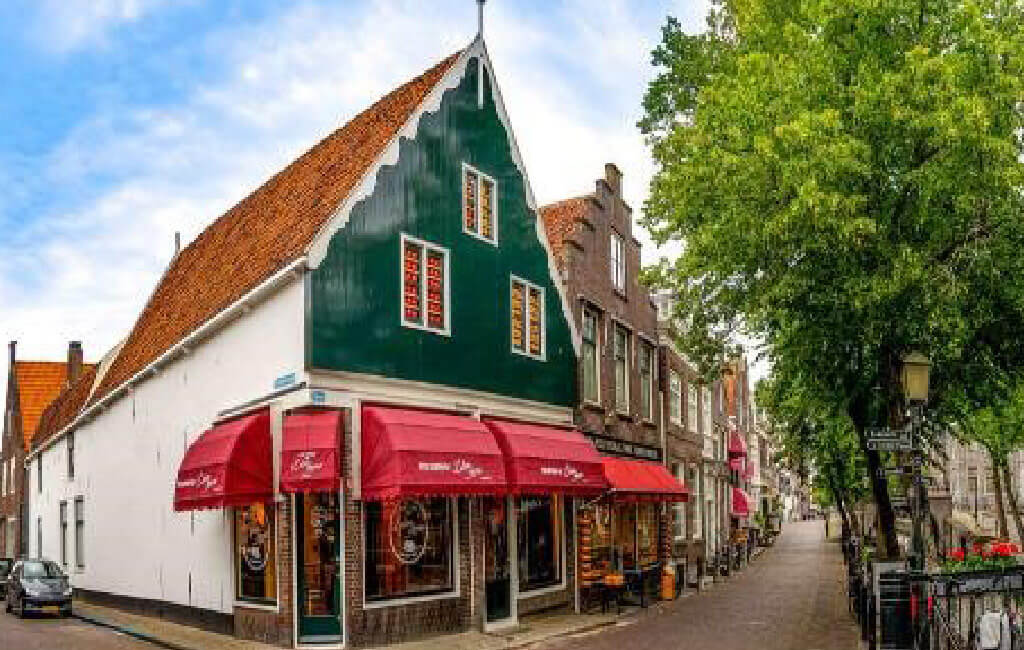 Experiences
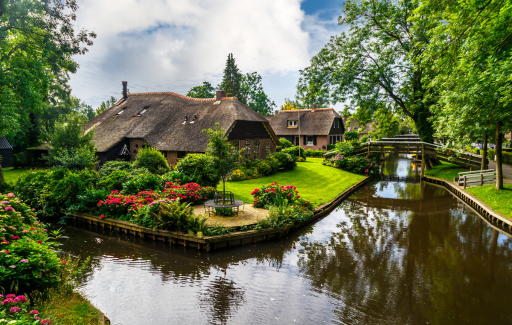 Grand Cafe Henri Willig Giethoorn
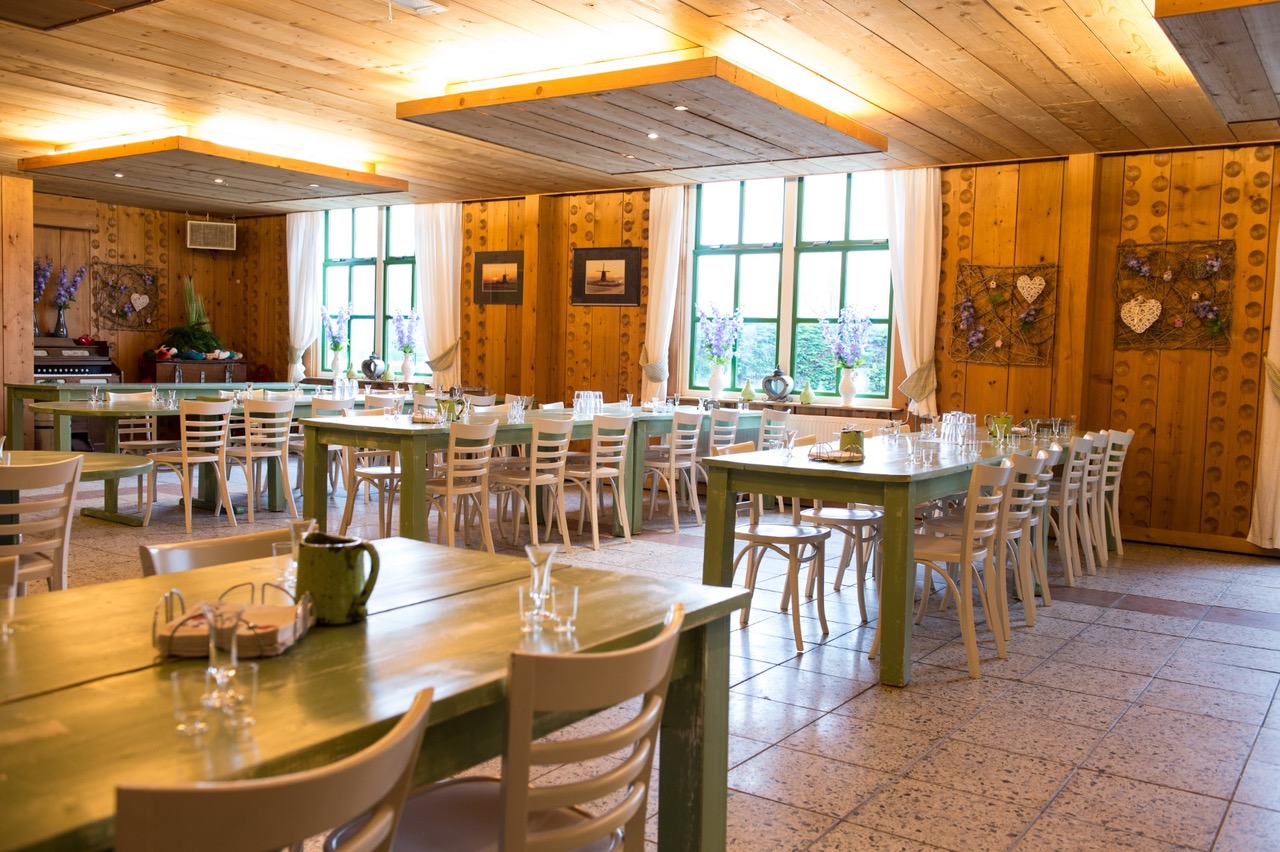 Restaurants
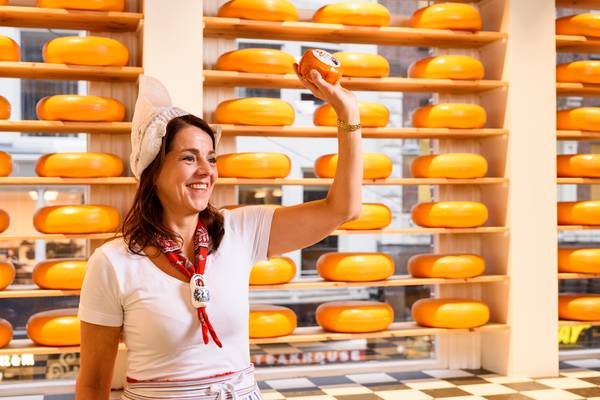 Tastings
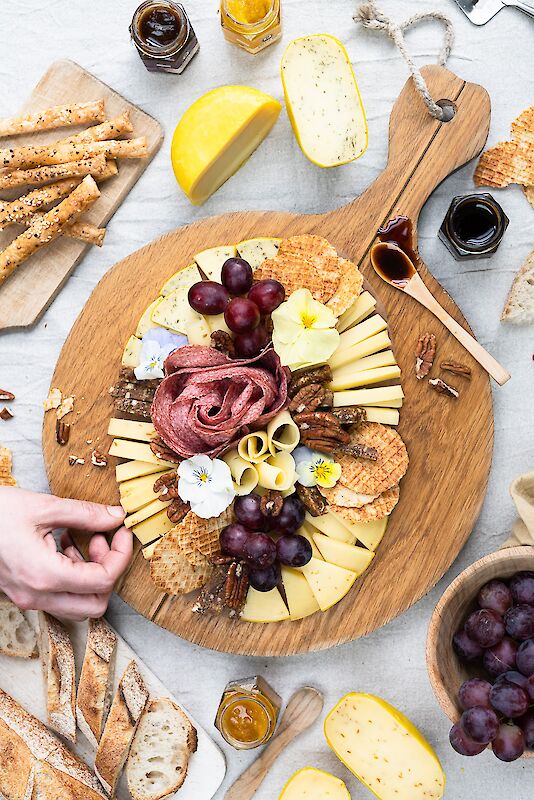 Recipes
 Meeting & Events
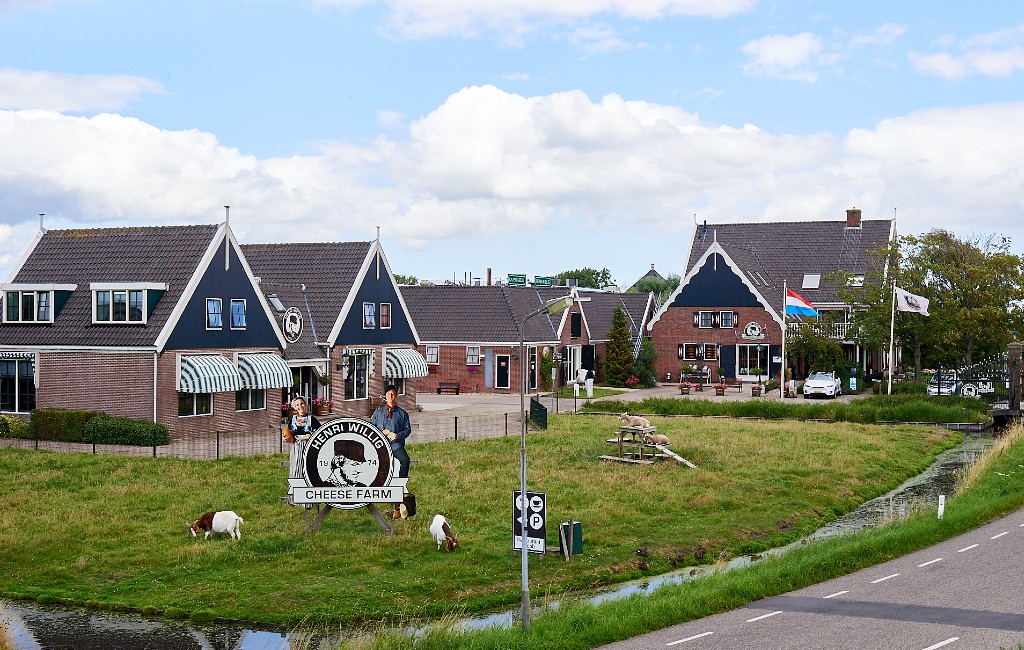 The Henri Willig family farm
 Cheese Production Process
 Experience our cheese
 CSR
CSR

The Henri Willig farm
Our Mission
The Henri Willig Group, as cheese maker, brings honest and distinctive quality products to the consumer and is a professional, sustainable partner for its customers, employees and suppliers, with respect for people, animals and nature.
Discover the secret behind our great cheese:
"Happy Cows = Good Milk = Delicious Cheese"!
Our history
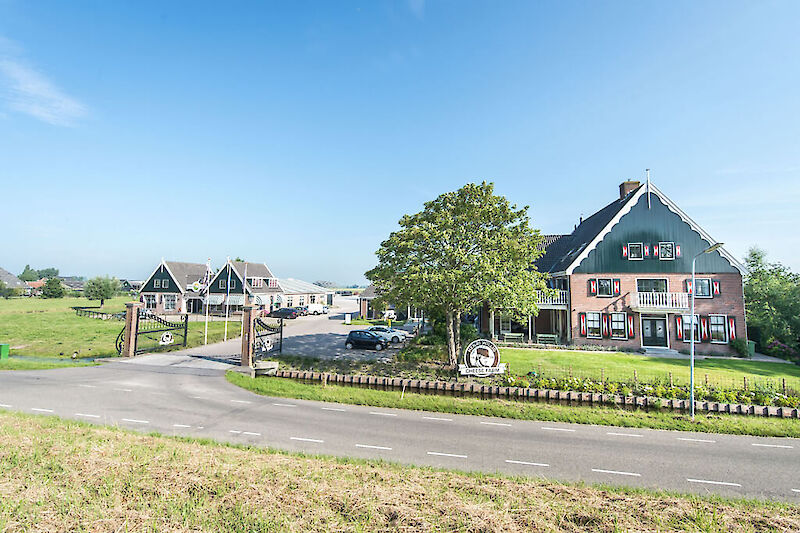
Henri Willig, founder of Henri Willig Cheese, grew up among the cows on the dairy farm De Jacobs Hoeve. As the only son in a family with five children, he became involved in the family business at an early age. After completing lower agricultural school, Henri took over the farm in 1974.
Together with his wife Riet, the idea soon arose to start making cheese themselves. The enterprising couple took a cheesemaking course and discovered the most important secret of good cheese: high-quality milk begins with happy and healthy animals.
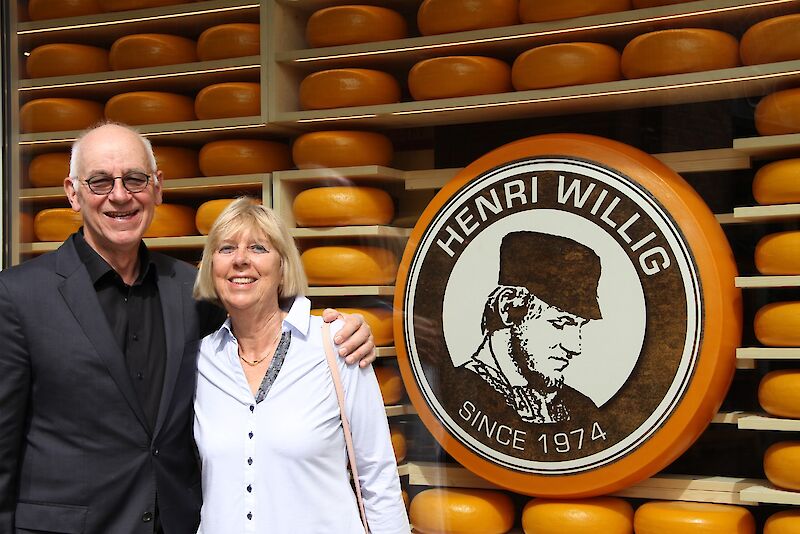
Henri Willig Organic Dairy Farm
Our organic dairy farm is located on the fertile agricultural lands of North Holland. The meadows surrounding the farm are rich in a wide variety of flora and fauna. Plants such as white clover, yarrow, goose grass, and dandelions grow abundantly here and provide natural and healthy nutrition for our cows.
To protect nature, we do not use chemical fertilizers or pesticides on our fields. As a result, the land remains healthy and our farm is often seen as a source of inspiration for other agricultural partners.
Our cows spend at least 180 days per year outside in the pasture, with a minimum of 12 hours a day in the fresh open air. This allows them to display their natural behavior and live as comfortably as possible. Happy and healthy cows ultimately produce milk of the highest quality — the foundation of our delicious Henri Willig cheeses.
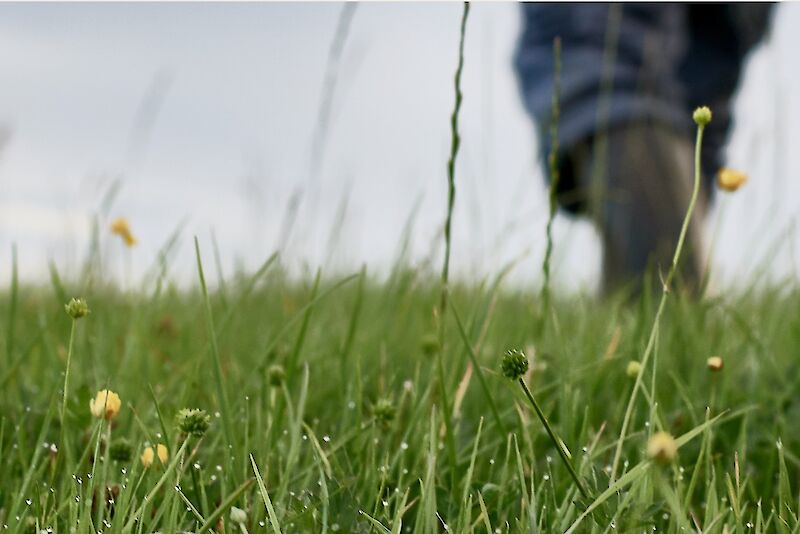
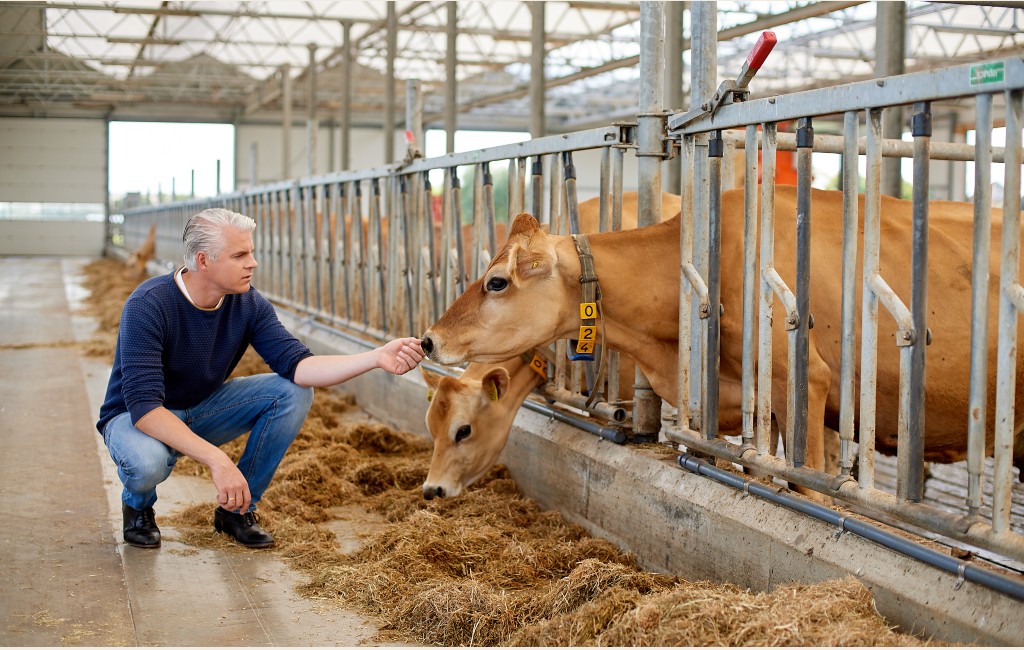
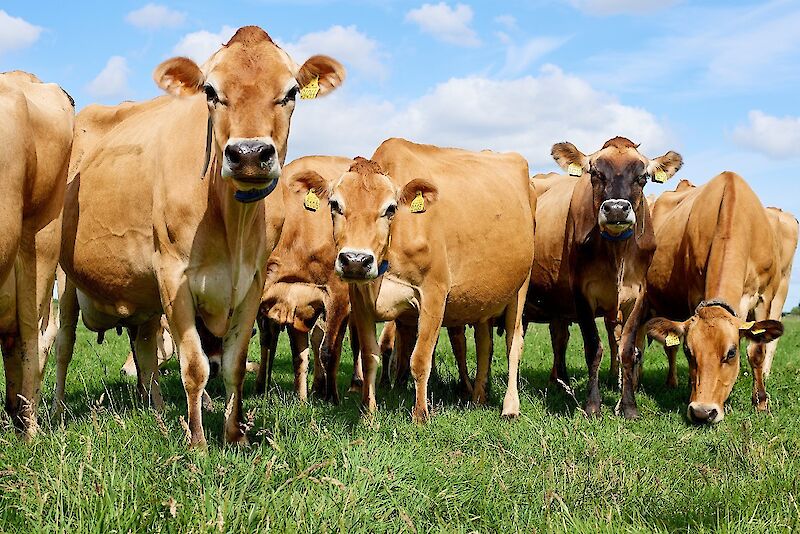
On the farm, in our brand-new barn, you can meet our Jersey cows. Although we also use milk from other cow breeds to make cheese, milk from Jersey cows is particularly suitable for delicious cheese because of its higher fat and protein content.
This breed also performs well in terms of sustainability. Jersey cows produce relatively large amounts of milk with less feed and at the same time generate significantly less manure.
-
 Cheese inspiration recipes
 -
 Premium cheese from Holland
 -
 Customers rate us with an average of 9.5
 -