
 All cheeses
 Small cheese wheels
 Cheese pieces
 Whole cheeses
 Organic cheeses
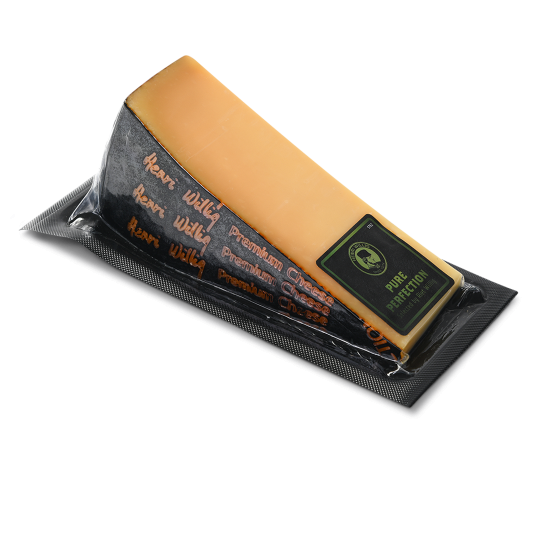 Cheese family line
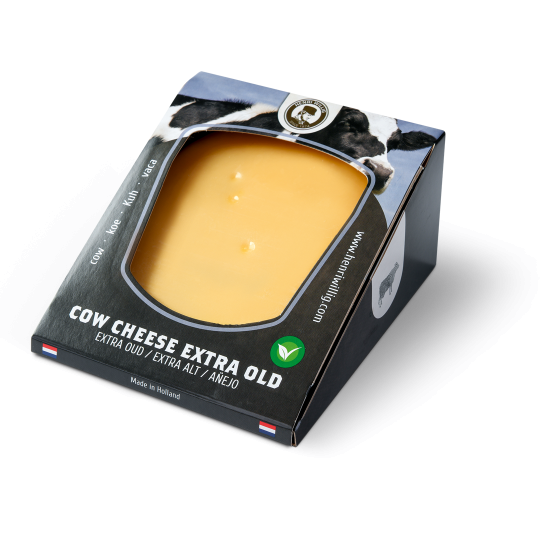 Premium selection
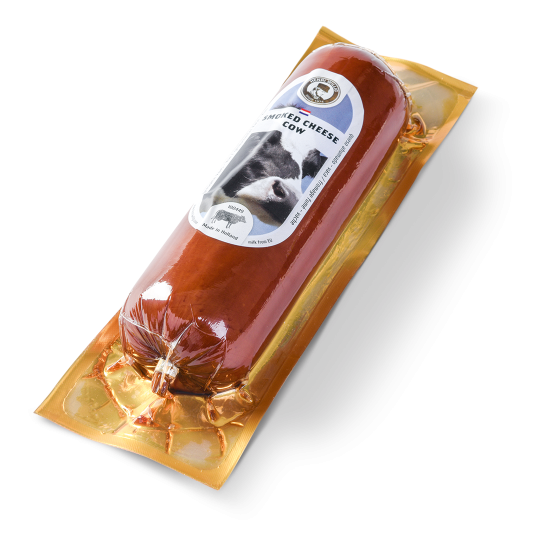 Smoked cheese

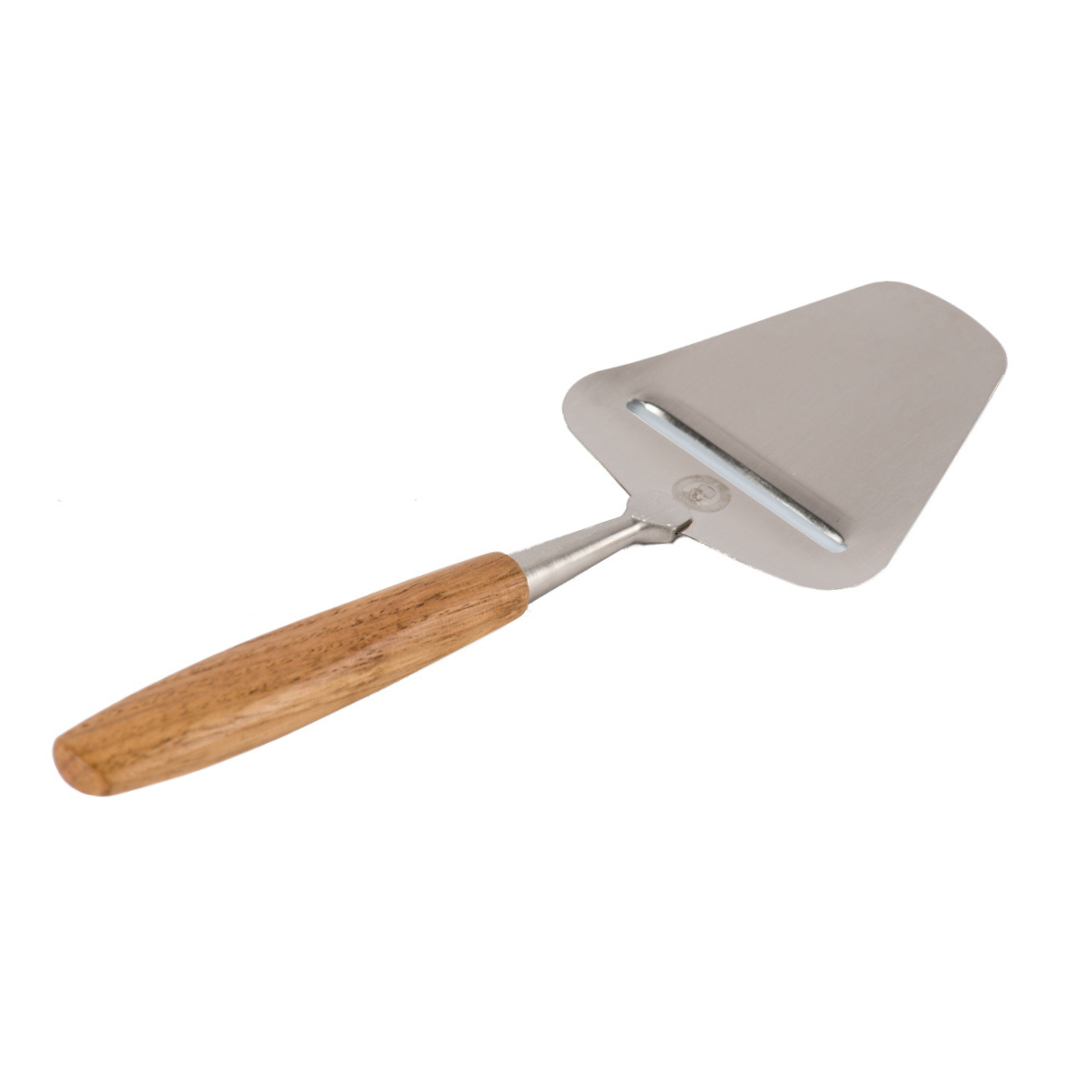 Cheese slicers
 Cheese graters
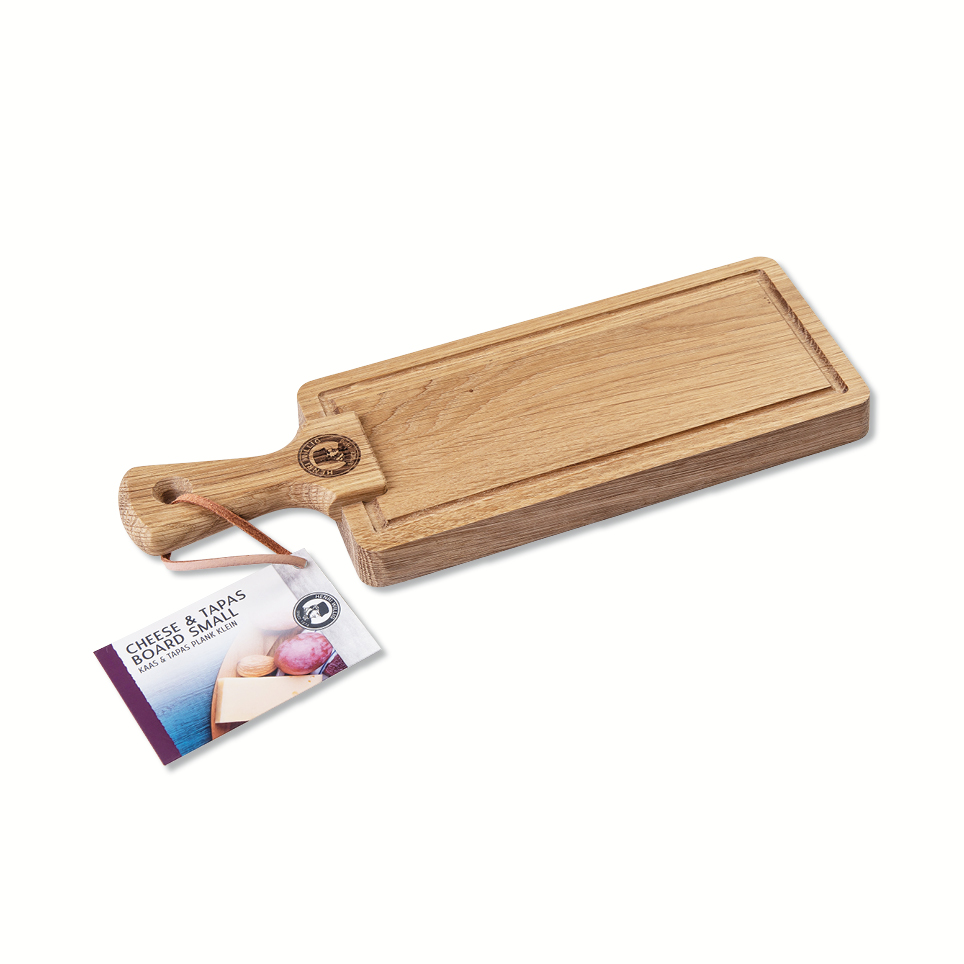 Cheese boards
 Cheese knives
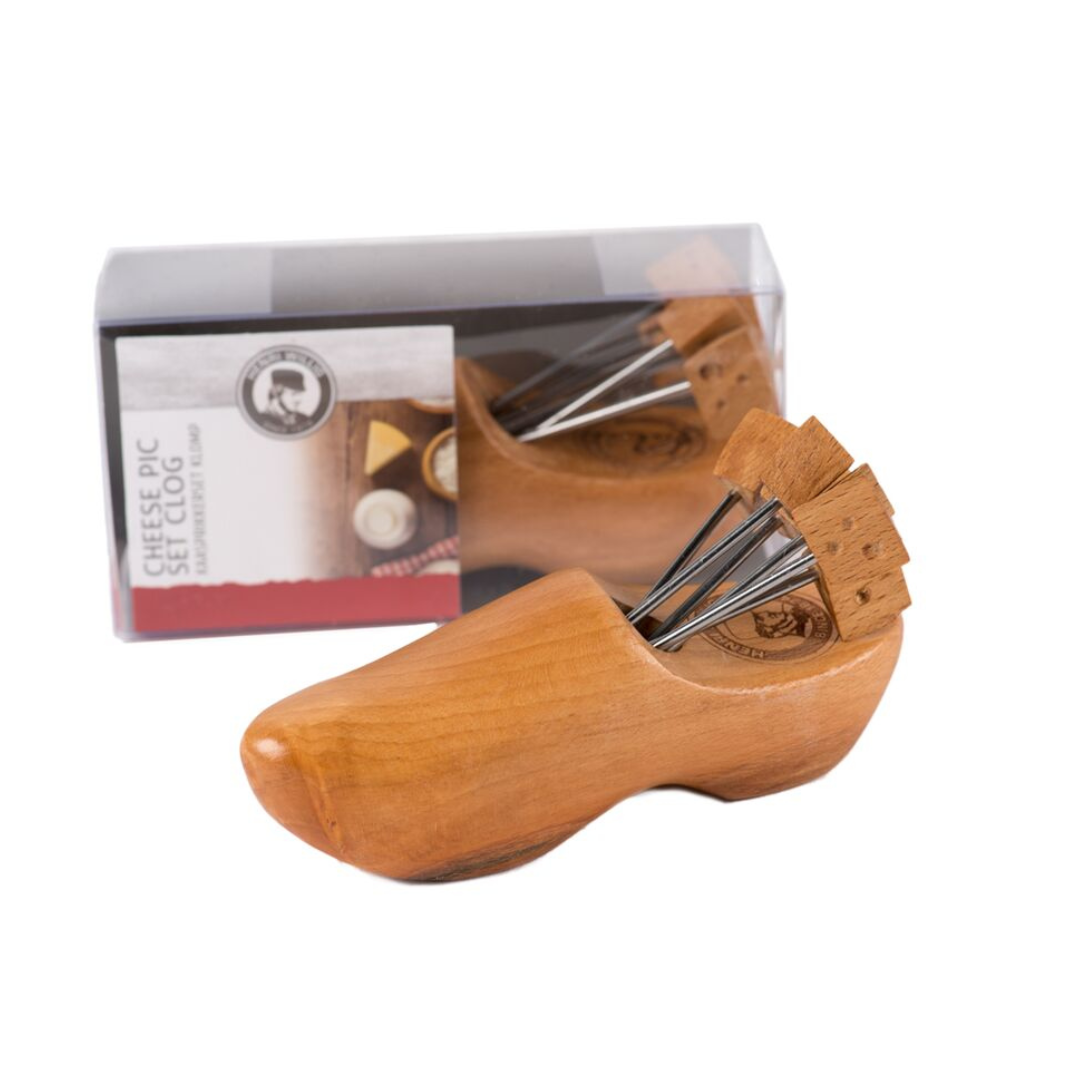 Other accessories

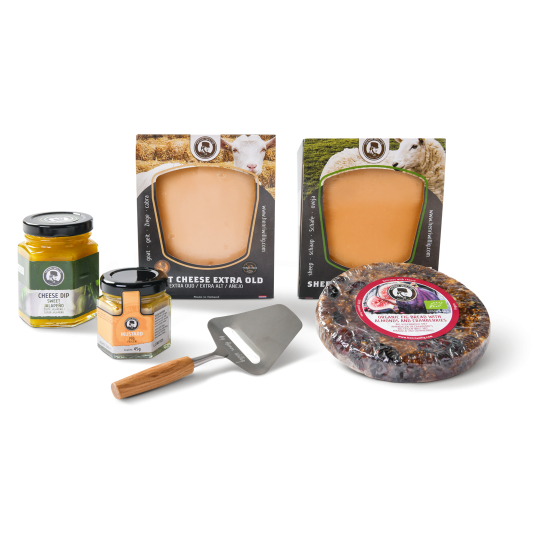 Cheese gifts
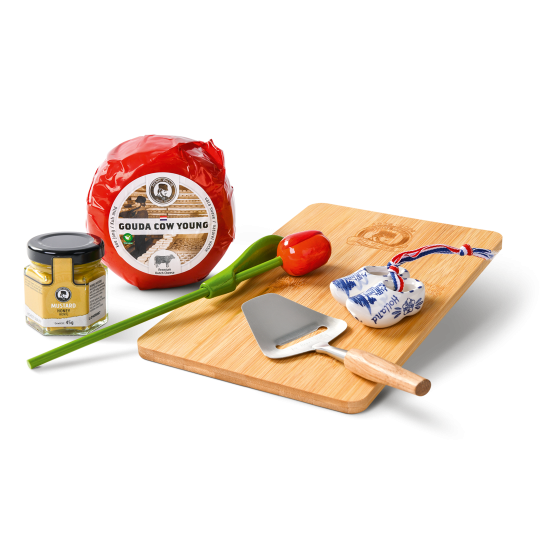 Easter gifts
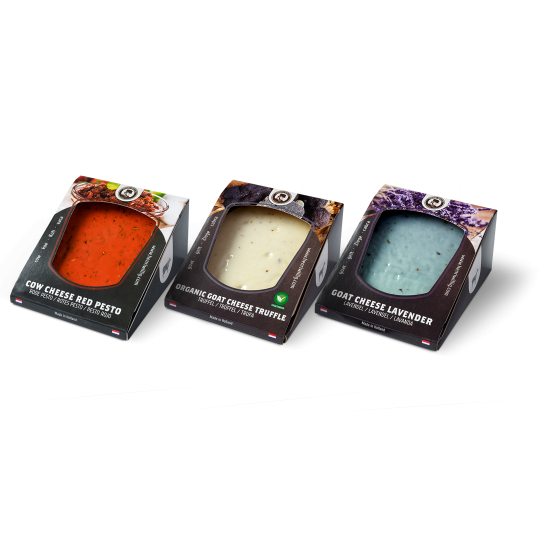 Combined sets
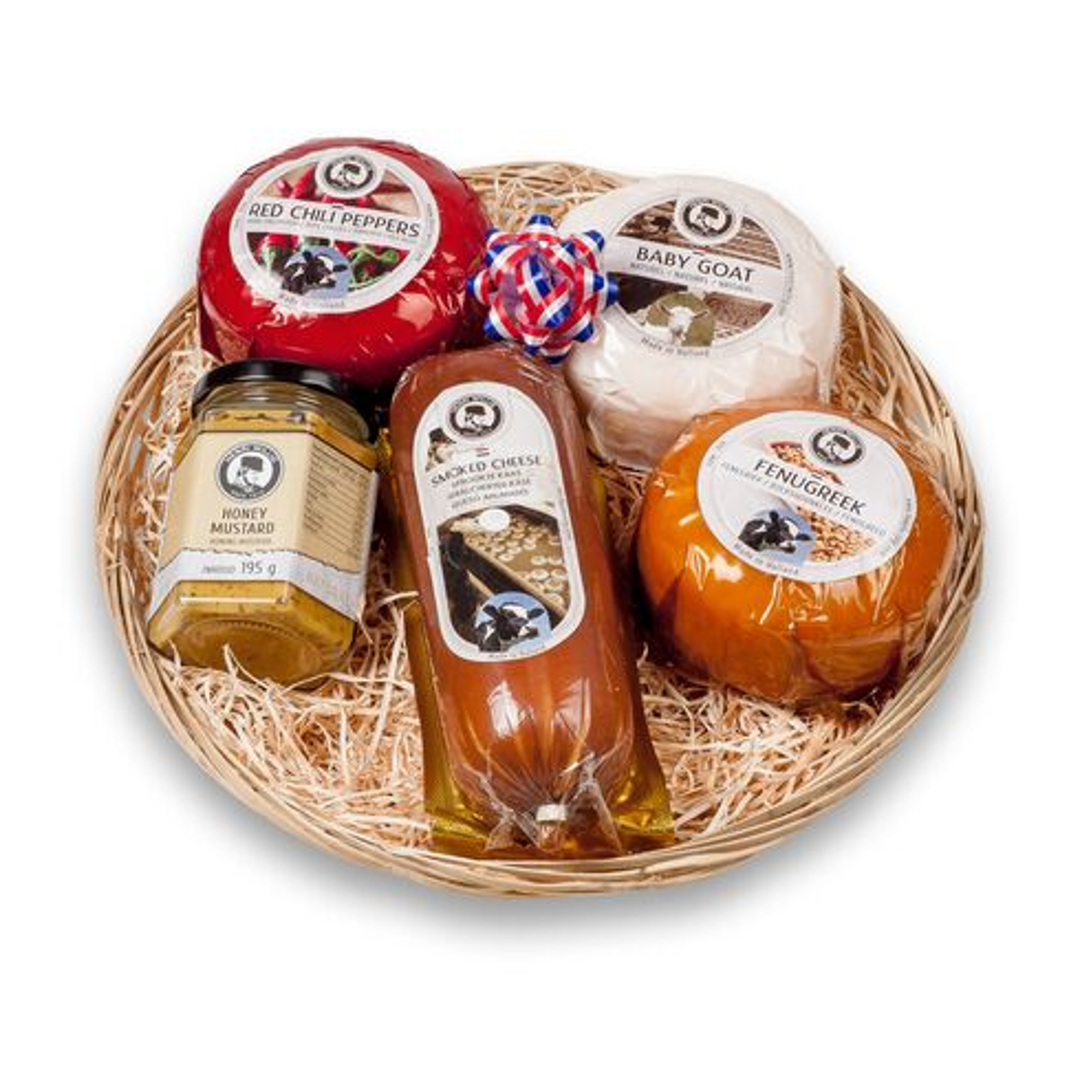 Corporate gifts
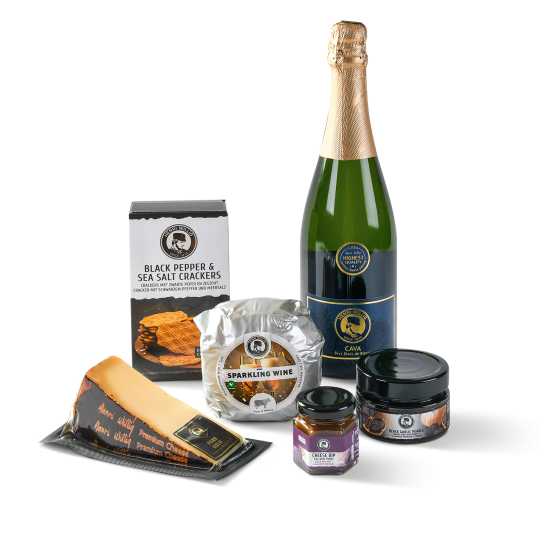 Christmas gifts

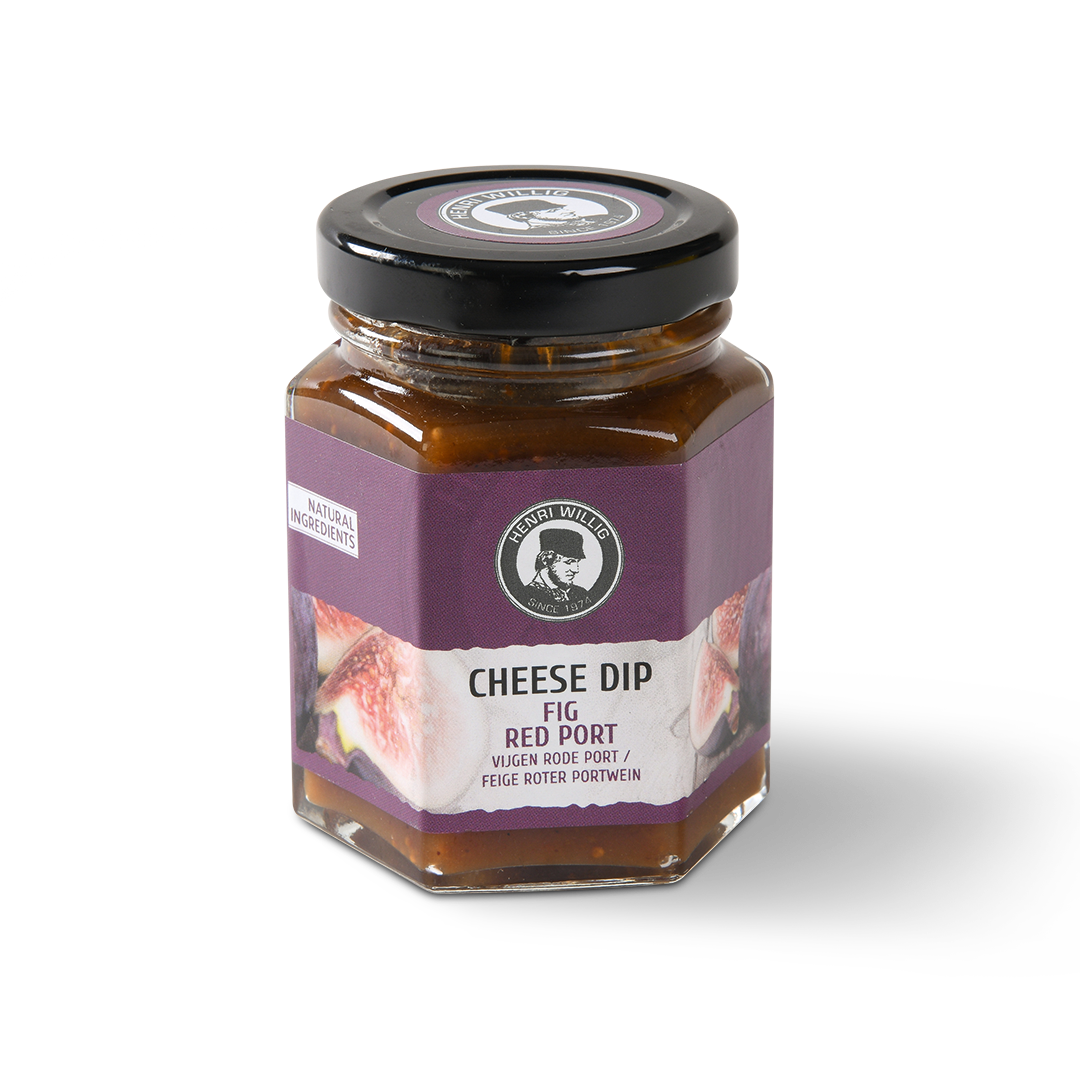 Cheese Dips
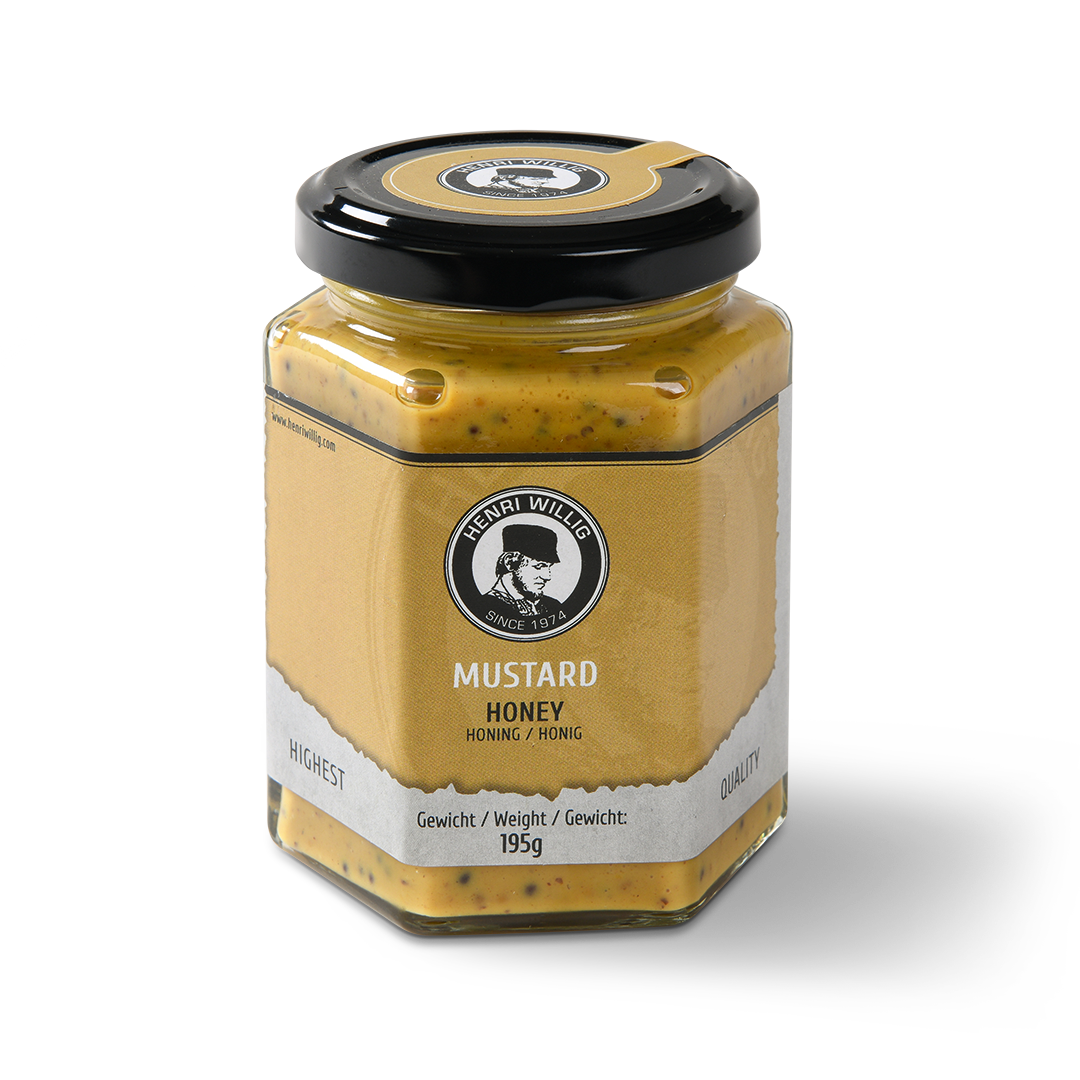 Mustard
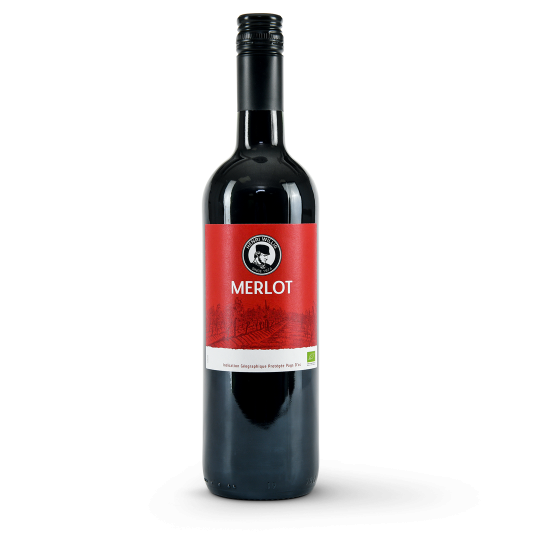 Alcoholic products

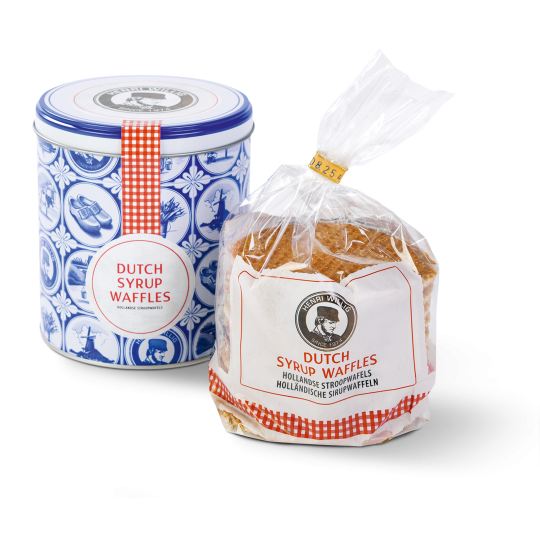 Syrup waffles
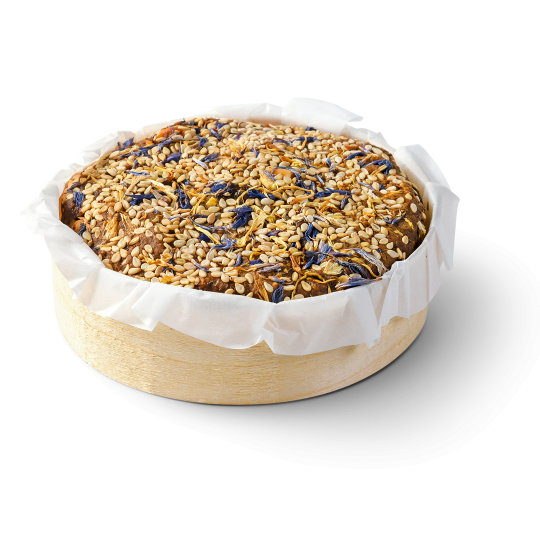 Fig Bread
 Honey
Honey
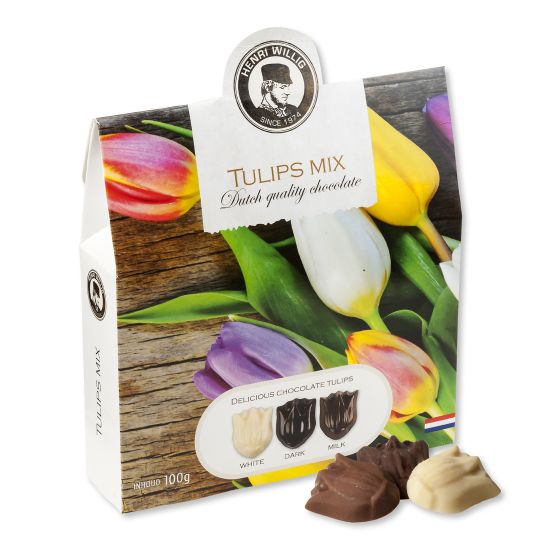 Chocolate
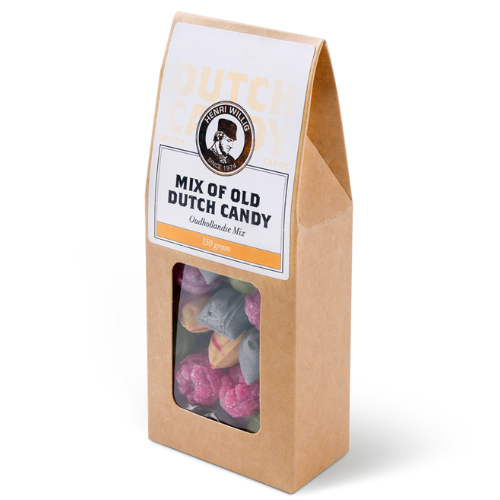 Candy
Candy

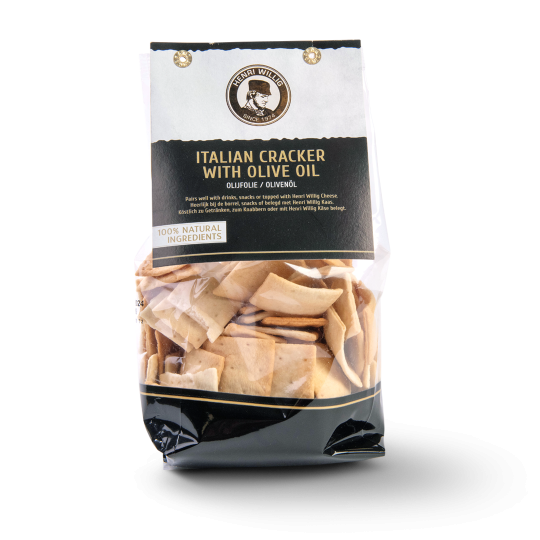 Savoury snacks
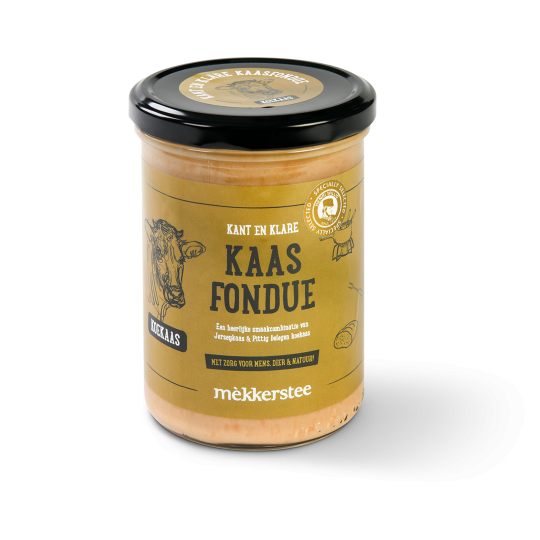 Cheese fondue
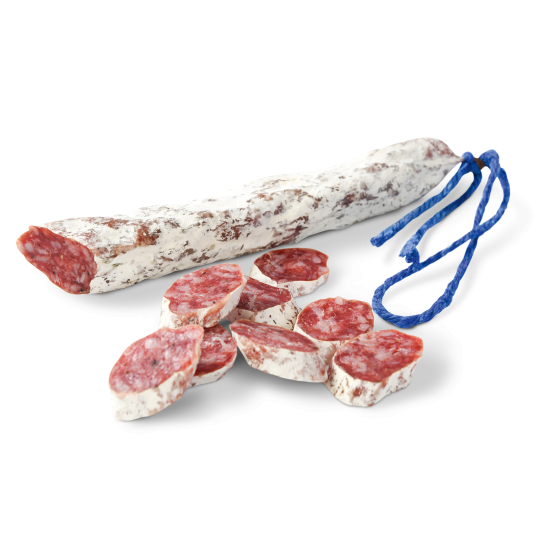 Fuet sausages


 Cheese stores
 Cheese farms
 Experiences
 Grand Cafe Henri Willig Giethoorn
 Restaurants
 Tastings
 Recipes
 Meeting & Events
 The Henri Willig family farm
 Cheese Production Process
 Experience our cheese
 CSR
CSR

Which cheese is low in lactose?

The longer a cheese is matured, the less lactose it naturally contains: during the maturing process, lactic acid bacteria convert lactose into lactic acid. As a result, mature and aged cheeses (made from cow’s, goat’s or sheep’s milk) naturally contain only a minimal amount of lactose. Young and fresh cheeses, on the other hand, contain the most.

Why do aged cheeses contain less lactose?
During the cheesemaking process, milk is curdled and lactic acid bacteria get to work. These bacteria convert milk sugar (lactose) into lactic acid. The longer a cheese matures, the more of this conversion takes place and the less lactose remains. In well-aged cheeses, this process is almost complete.
Goat cheese and digestibility
Goat cheese naturally often contains slightly less lactose than cow's milk cheese, and its smaller fat globules may be easier for some people to digest. This does not mean that goat cheese is automatically suitable for people with lactose intolerance. The degree of maturation remains the most important factor.
Which cheeses are the best choice?
- Aged or extra-aged cheese (cow, goat or sheep): naturally contains the lowest levels of lactose.
- Avoid fresh cheese, young cheese and cream cheese: these generally contain the most lactose.
Not sure? Always check the label of the specific product.
Please note: this is not medical advice
This article provides general information about cheese and lactose based on the cheese maturation process. It is not medical advice. If you have been diagnosed with lactose intolerance, always check the packaging of the specific product and consult your doctor or dietitian if you are unsure.
Recent posts
-
Lactose in cheese: what should you know if you are lactose intolerant?
02 Sep 2026 -
Which cheese should you choose for a cheese board?
11 Aug 2026 -
Which cheese do you choose for a fondue?
11 Aug 2026 -
What is the difference between cow’s, goat’s and sheep’s cheese?
11 Aug 2026 -
Everything you need to know about eating goat cheese during pregnancy
10 Aug 2026
Order via our webshop
-
 Cheese inspiration recipes
 -
 Premium cheese from Holland
 -
 Customers rate us with an average of 9.5
 -

1145 PM Katwoude
Netherlands
+31(0) 299 655 151
9:00 - 17:00 CET (mon-fri)
KvK: 36037970
BTW: NL006196238B01
© 2004 - 2026 Henri Willig Kaas