
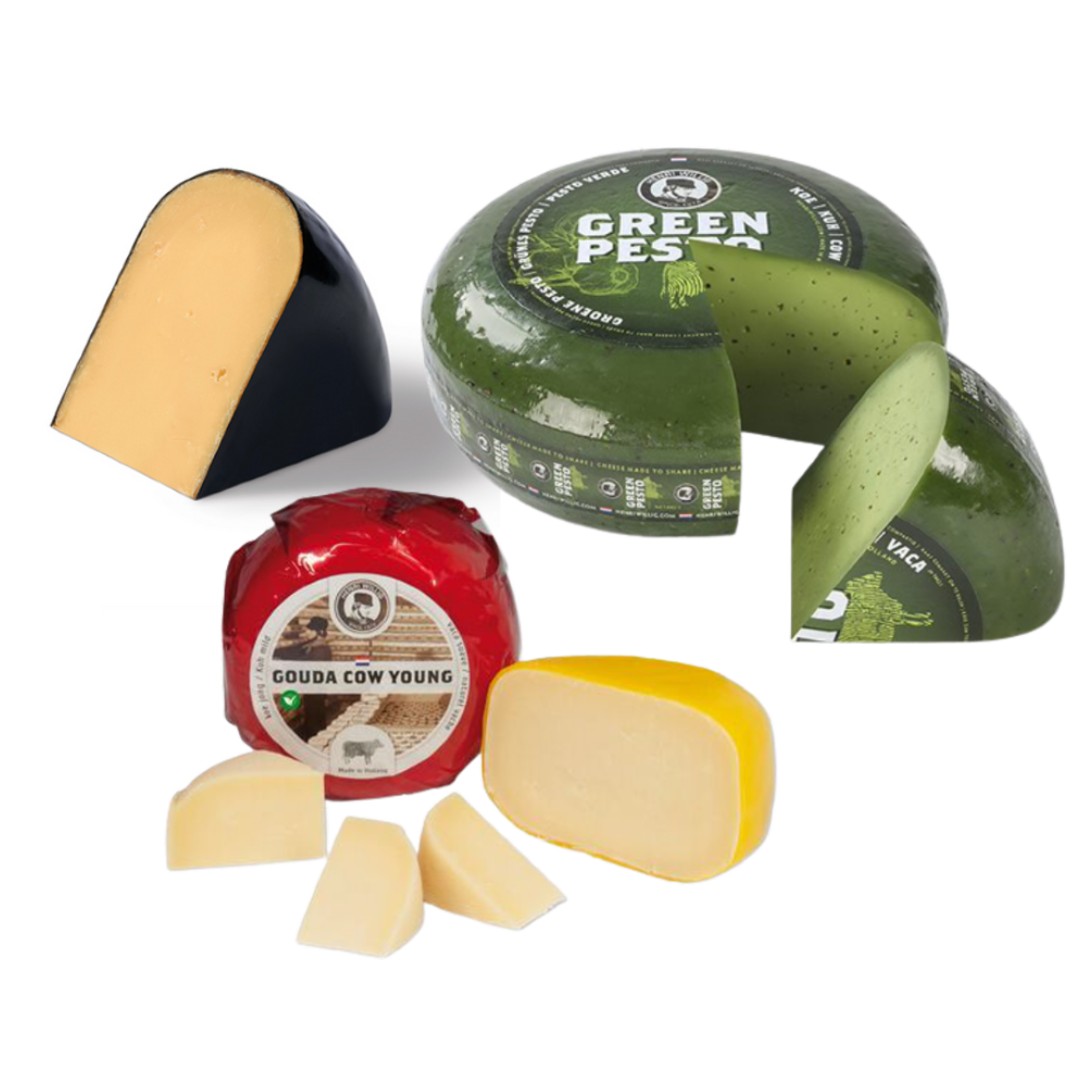
 All cheeses
 Small cheese wheels
 Cheese pieces
 Whole cheeses
 Organic cheeses
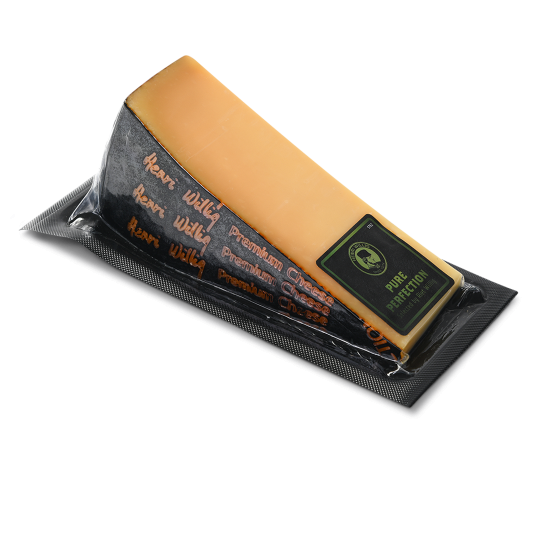 Cheese family line
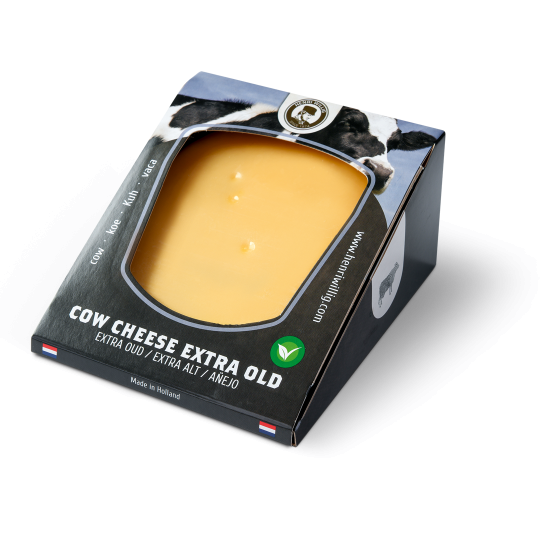 Premium selection
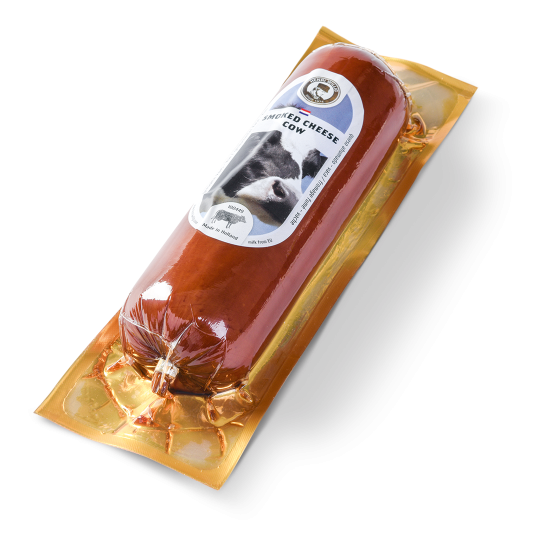 Smoked cheese

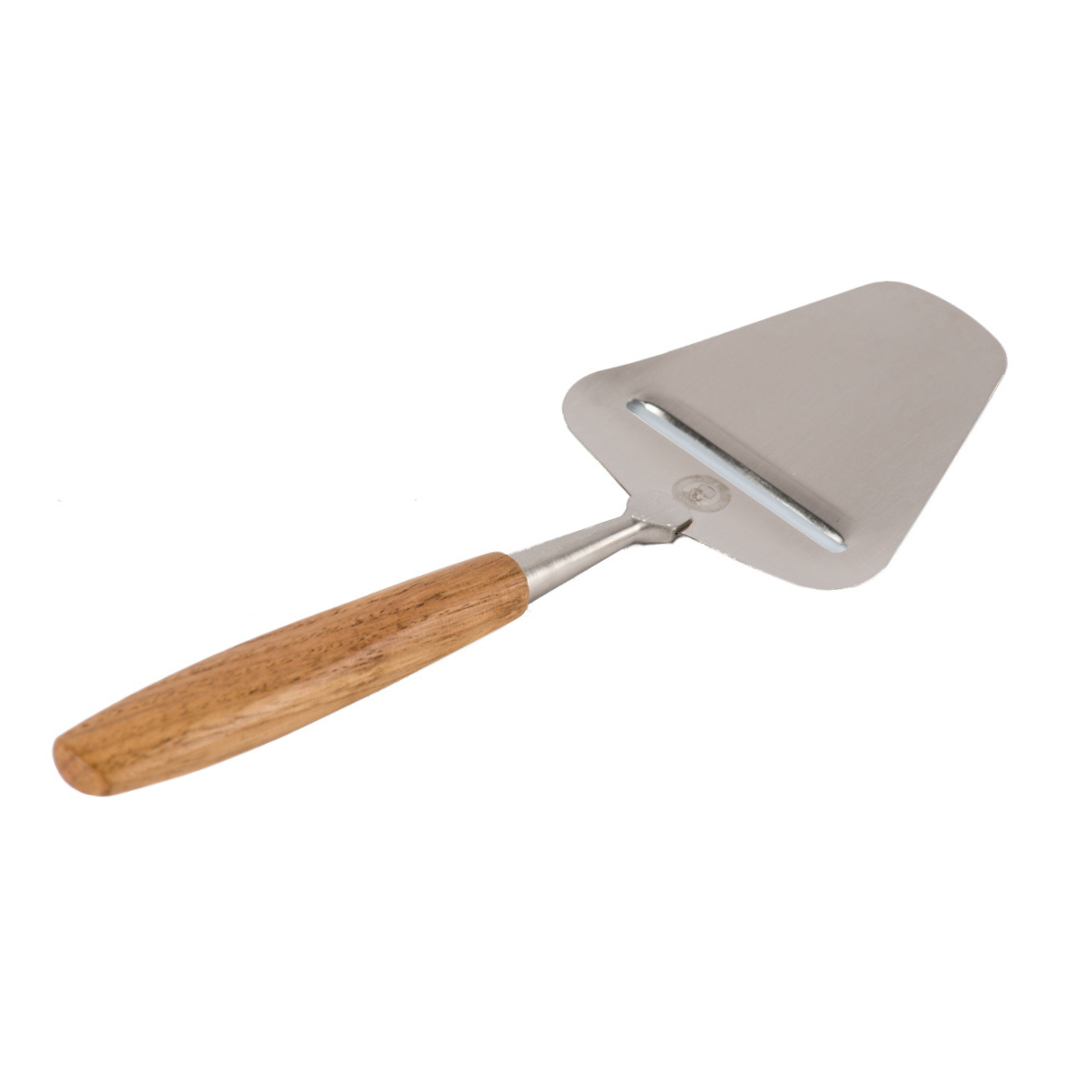 Cheese slicers
 Cheese graters
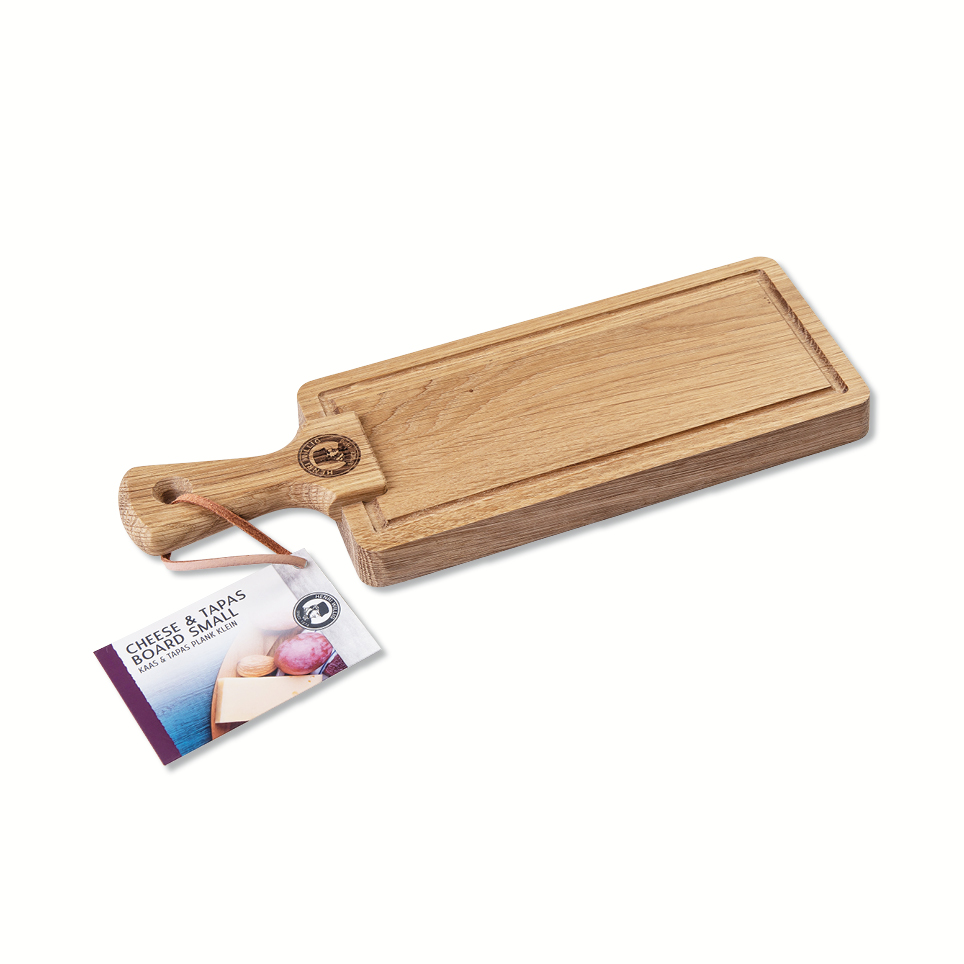 Cheese boards
 Cheese knives
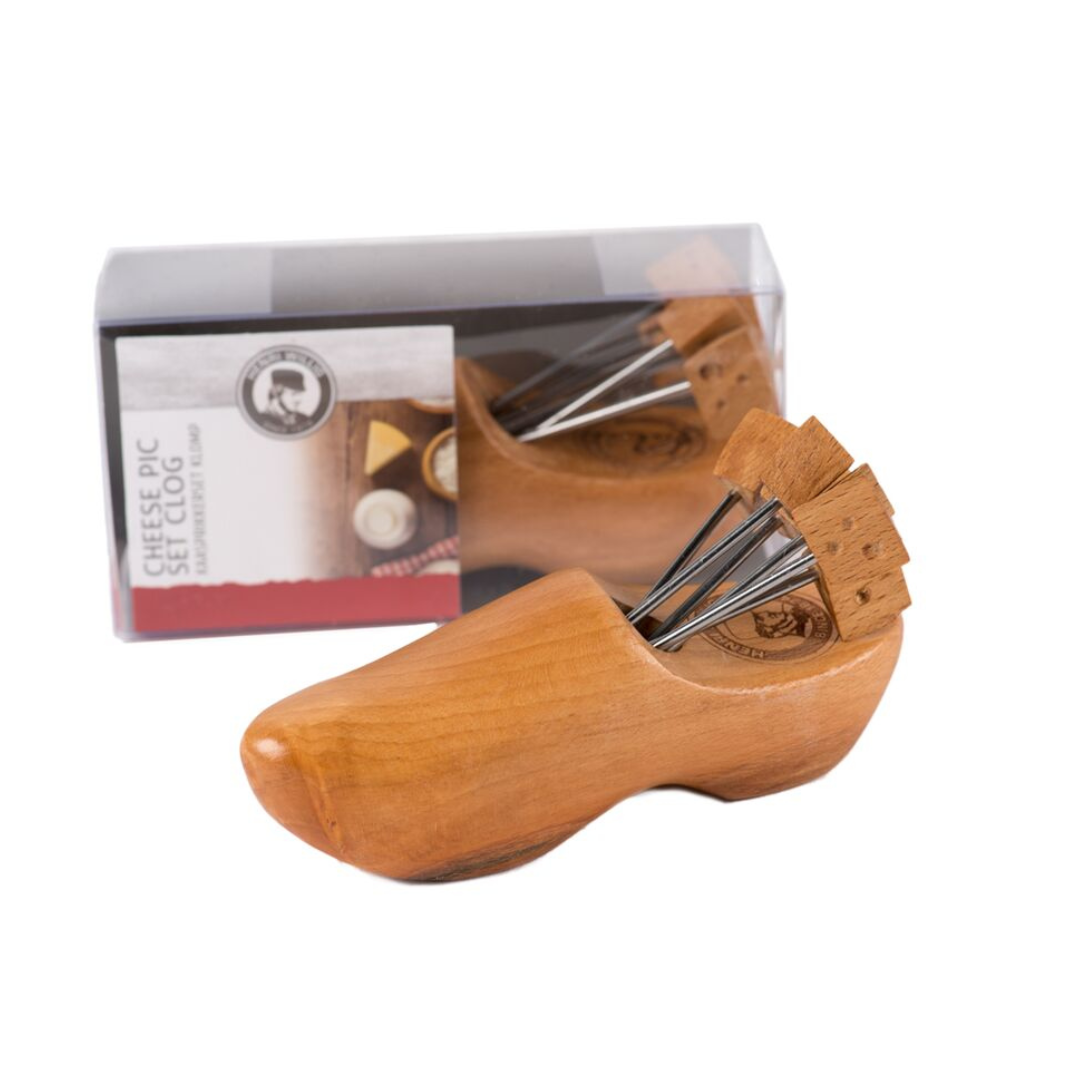 Other accessories

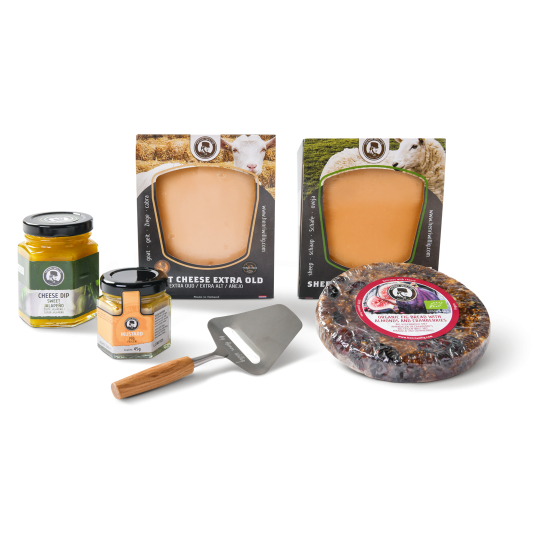 Cheese gifts
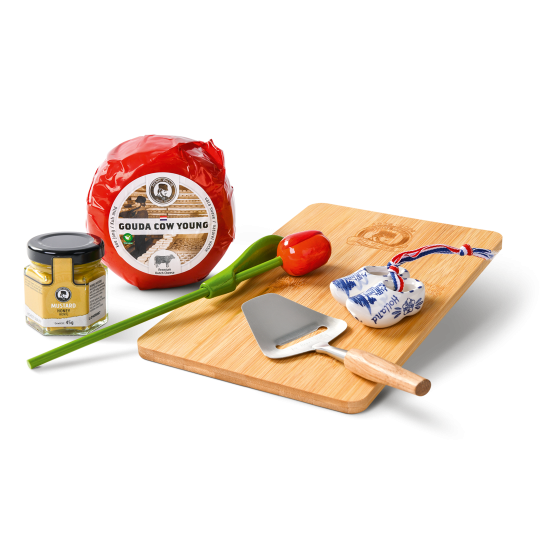 Easter gifts
 Combined sets
 Corporate gifts
 Christmas gifts

 Cheese Dips
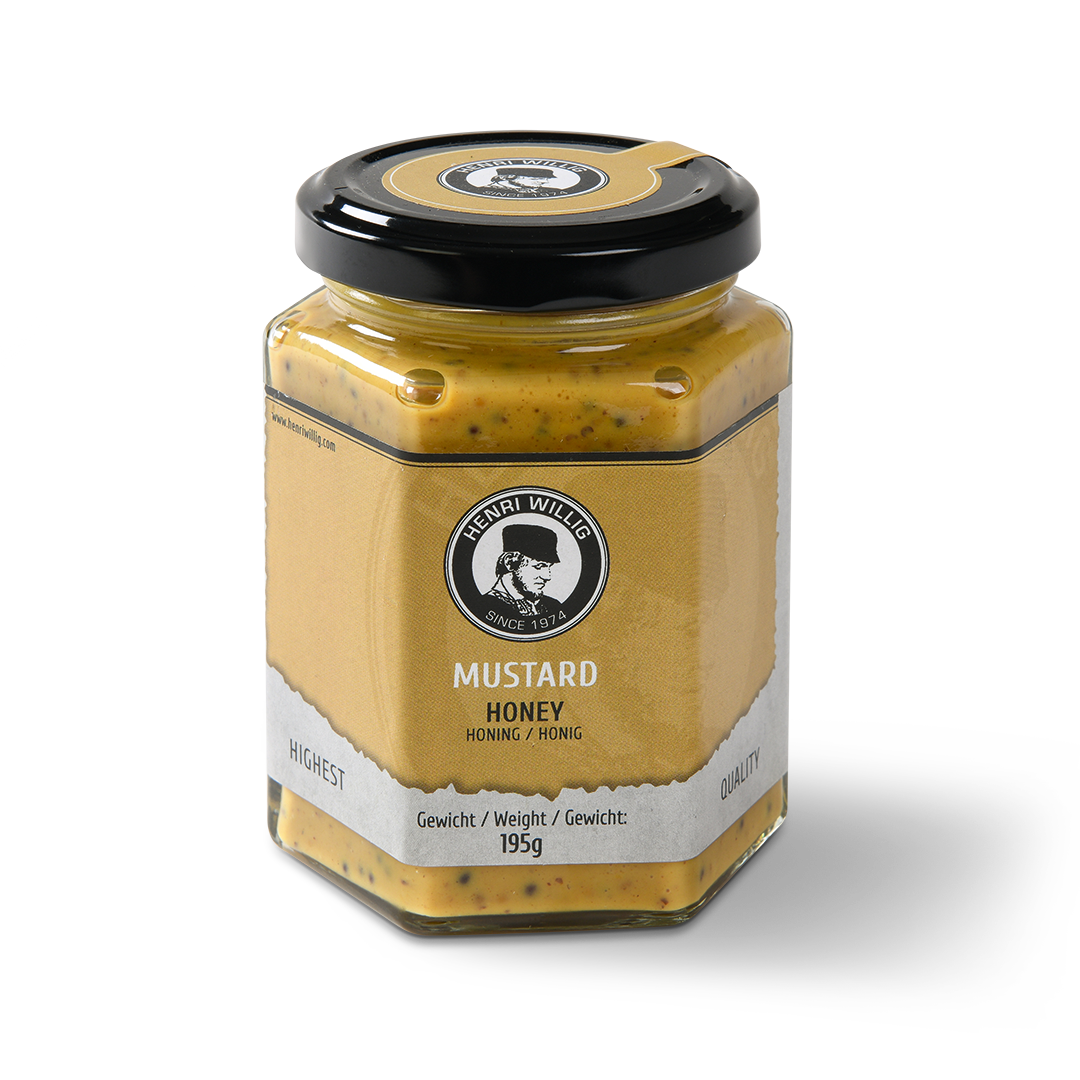 Mustard
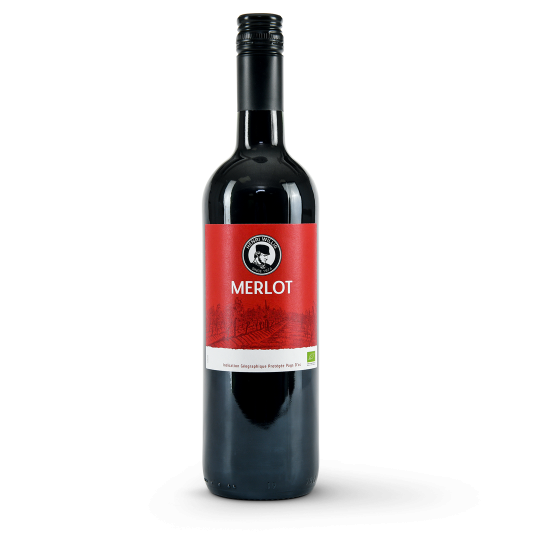 Alcoholic products

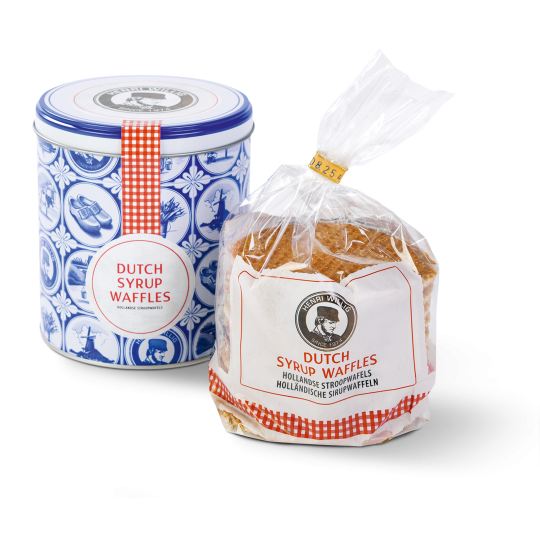 Syrup waffles
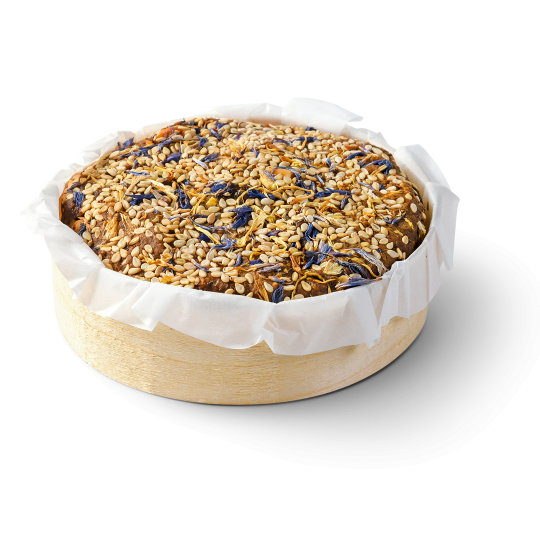 Fig Bread
 Honey
Honey
 Chocolate
 Candy
Candy

 Savoury snacks
 Cheese fondue
 Fuet sausages


 Cheese stores
 Cheese farms
 Experiences
 Grand Cafe Henri Willig Giethoorn
 Restaurants
 Tastings
 Recipes
 Meeting & Events
 The Henri Willig family farm
 Cheese Production Process
 Experience our cheese
 CSR
CSR

What is the difference between cow’s, goat’s and sheep’s cheese?

The main difference between cow, goat and sheep cheese lies in the milk they are made from. This determines their colour, flavour and fat content. Cow cheese is usually yellow and offers the widest variety, ranging from mild to firm and well-aged. Goat cheese is naturally white and creamy when young, becoming more pronounced and tangy as it matures. Sheep cheese is the richest and highest in fat of the three, with a full, aromatic and slightly sweet flavour.
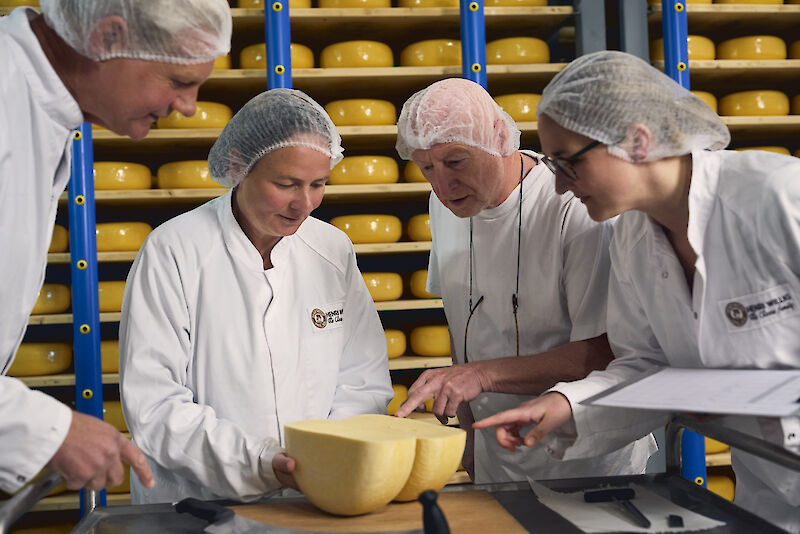
Cow, goat or sheep cheese at a glance
| Characteristic | Cow cheese | Goat cheese | Sheep cheese |
|---|---|---|---|
| Colour | Yellow | White | Creamy white to pale yellow |
| Flavour when young | Mild and creamy | Mild and creamy | Full and slightly sweet |
| Flavour when mature/aged | Fuller, more savoury and more intense | More pronounced and tangy, sometimes slightly sour | Rich and aromatic, with a slightly softer bite than aged goat cheese |
| Fat content | Medium | Generally slightly lower than cow's milk | The highest of the three |
| Lactose | Decreases as the cheese matures | Naturally often slightly lower; smaller fat globules may make it easier to digest for some people | Decreases as the cheese matures |
| Commonly used for | Sandwiches, everyday cheese boards, melting | Cheese boards, salads, with honey or figs | Cheese boards, Mediterranean dishes, with full-bodied wines |
Why is cow cheese yellow and goat cheese white?
This is due to the way cows and goats process carotene from their feed. Cows only partially convert carotene, which means the yellow pigment beta-carotene remains in the milk and therefore in the cheese. Goats convert carotene almost completely into vitamin A, leaving virtually no yellow pigment behind. This is why goat cheese is naturally white, while cow cheese is yellow.
Cow cheese
Cow cheese is the most widely produced and consumed type of cheese in the Netherlands. It also forms the foundation of the Henri Willig range, from young Gouda cheese to long-aged mature cheeses. The younger the cheese, the milder and creamier its flavour. As it matures, it becomes fuller, more savoury and more intense.
Goat cheese
Goat cheese is known for its mild and creamy flavour when young. As goat cheese matures, its flavour becomes more pronounced and can develop a tangier or slightly sour character. Goat cheese naturally often contains slightly less lactose than cow's milk cheese, while its smaller fat globules may make it easier to digest for some people. However, this does not guarantee that goat cheese is suitable for people with lactose intolerance.
Sheep cheese
Sheep's milk naturally contains the highest fat content of the three, giving sheep cheese its rich, creamy and aromatic character. Compared with aged goat cheese, aged sheep cheese often has a slightly softer bite while still offering an equally distinctive flavour. This makes sheep cheese a popular choice for a cheese board or alongside richer dishes.
Which cheese should you choose?
- Looking for a familiar, everyday flavour? Choose cow cheese.
- Prefer something lighter and creamy, with a fresher flavour as it matures? Choose goat cheese.
- Do you enjoy a rich, aromatic cheese with plenty of character? Choose sheep cheese.
- Can't decide? Combine all three on one cheese board and taste the differences for yourself.
Frequently asked questions
Sheep cheese generally has the highest fat content of the three. Sheep's milk naturally contains more fat than cow's and goat's milk, giving sheep cheese its rich, creamy and full flavour.
The lactose content depends not only on the type of milk used, but especially on how the cheese is made and how long it is aged. During the production and ageing of long-aged cheeses, almost all lactose is broken down. As a result, aged cow, goat and sheep cheeses can all contain very little lactose.
Order via our webshop
Is this article already making you hungry?
Check out Henri Willig's delicious recipes below.
Mini honey thyme goat's cheese croissants
These mini croissants with Henri Willig Young Goat's Cheese (with Honey Thyme) are a delicious and simple Easter recipe. Made from puff pastry, the croissants are crispy on the outside and creamy on the inside, with a perfect balance of sweet and savoury. This recipe for mini croissants is ideal for Easter breakfast, Easter brunch or as a savoury snack during a festive Easter lunch. The combination of goat's cheese, honey and thyme make these Easter croissants a little different from standard puff pastry snacks. Serve the croissants warm from the oven and finish them with a little extra honey, chopped walnut and fresh thyme, if desired. This mini croissant recipe is good for 16 pieces and is perfect for sharing during Easter.

Cheese biscuits made from aged cheese
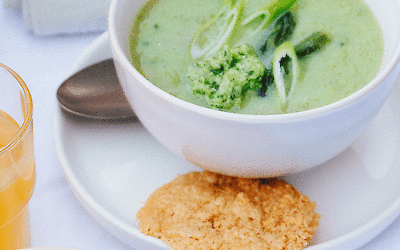
Cheese biscuits, cheese biscuits, cheese biscuits - how delicious they are! These savoury treats are surprisingly versatile. Serve them as a side dish with an asparagus soup or put them on the table as a snack with a well-filled cheeseboard. Cheese biscuits are easy to combine and always a success.
-
 Cheese inspiration recipes
 -
 Premium cheese from Holland
 -
 Customers rate us with an average of 9.5
 -