
 All cheeses
 Small cheese wheels
 Cheese pieces
 Whole cheeses
 Organic cheeses
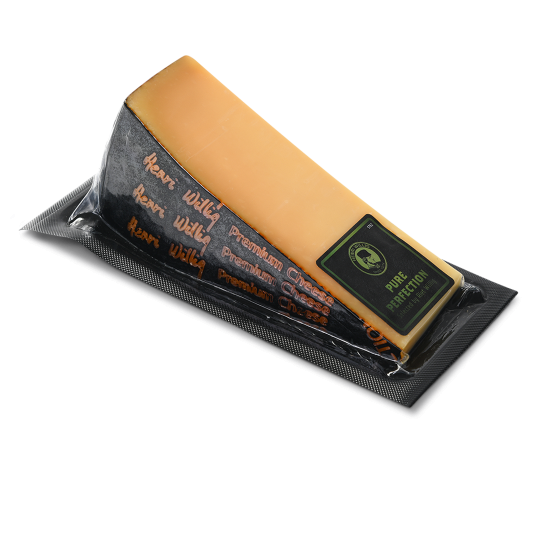 Cheese family line
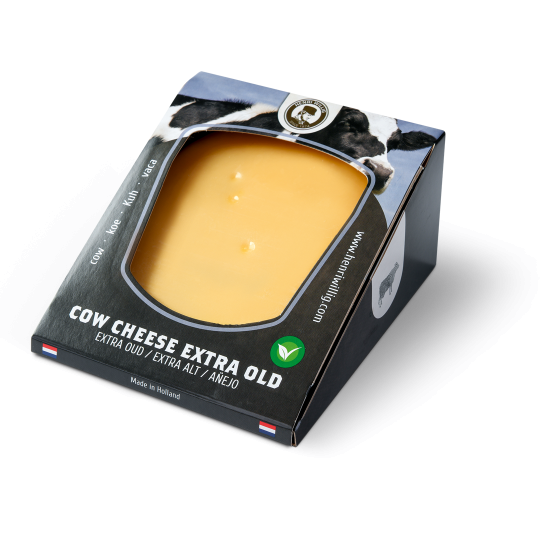 Premium selection
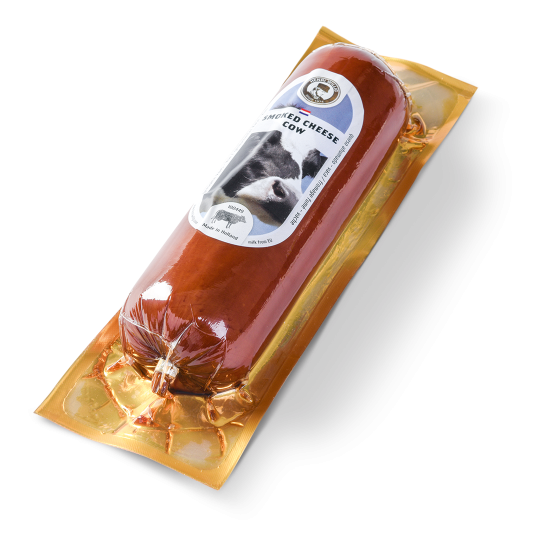 Smoked cheese

 Cheese slicers
 Cheese graters
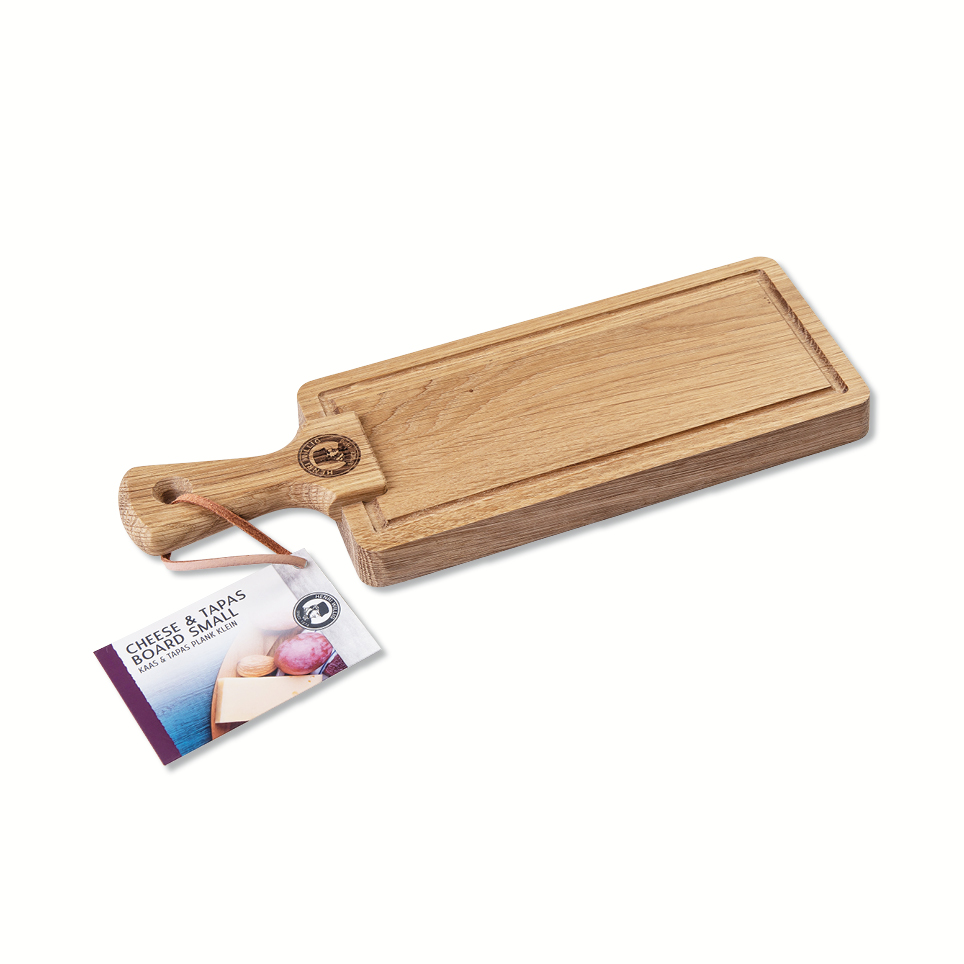 Cheese boards
 Cheese knives
 Other accessories

 Cheese gifts
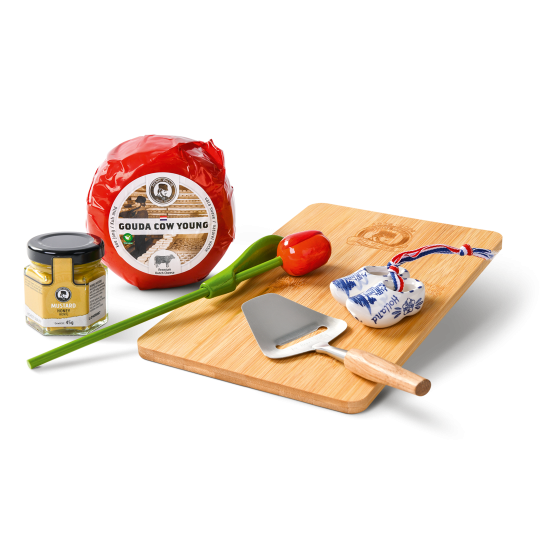 Easter gifts
 Combined sets
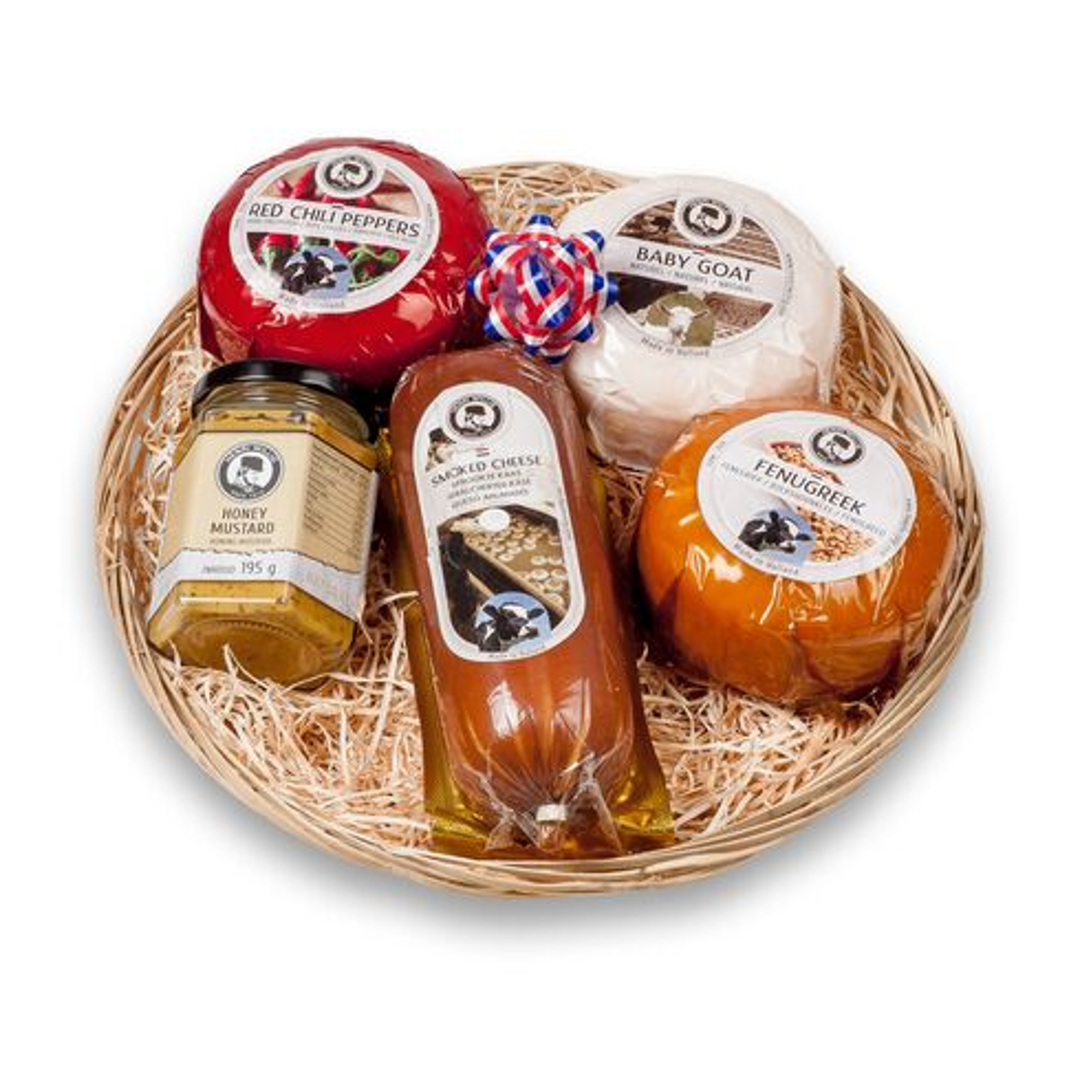 Corporate gifts
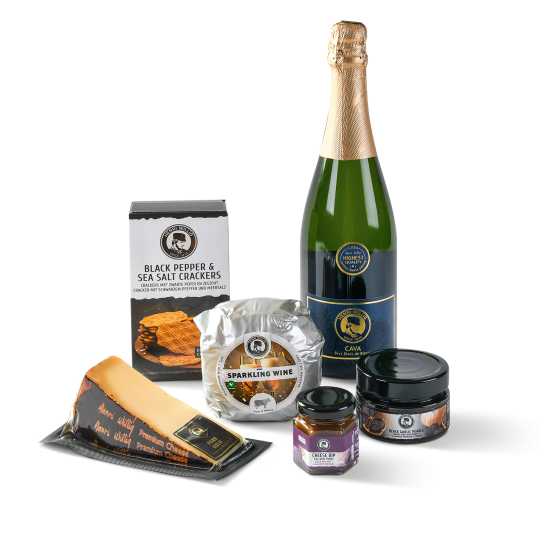 Christmas gifts

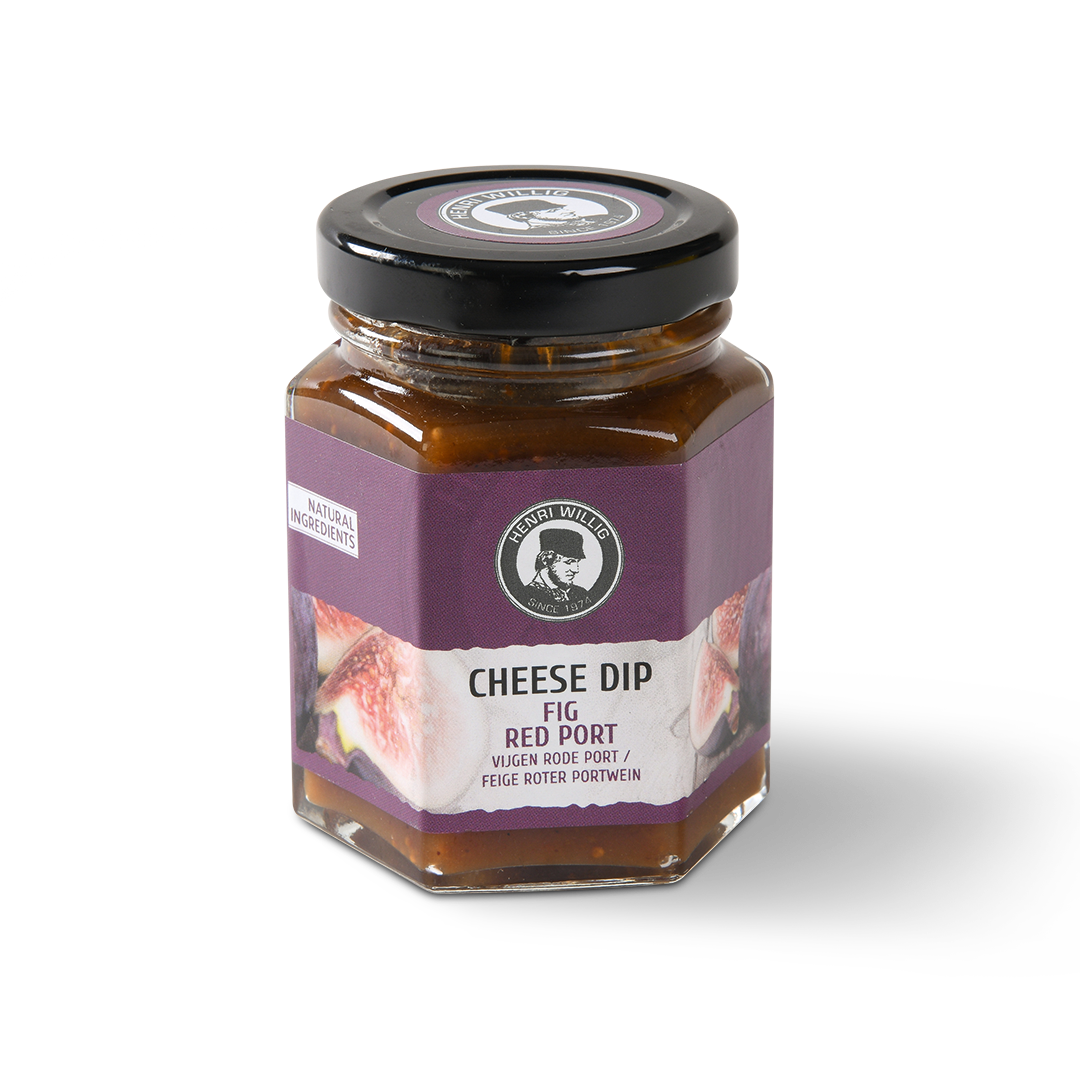 Cheese Dips
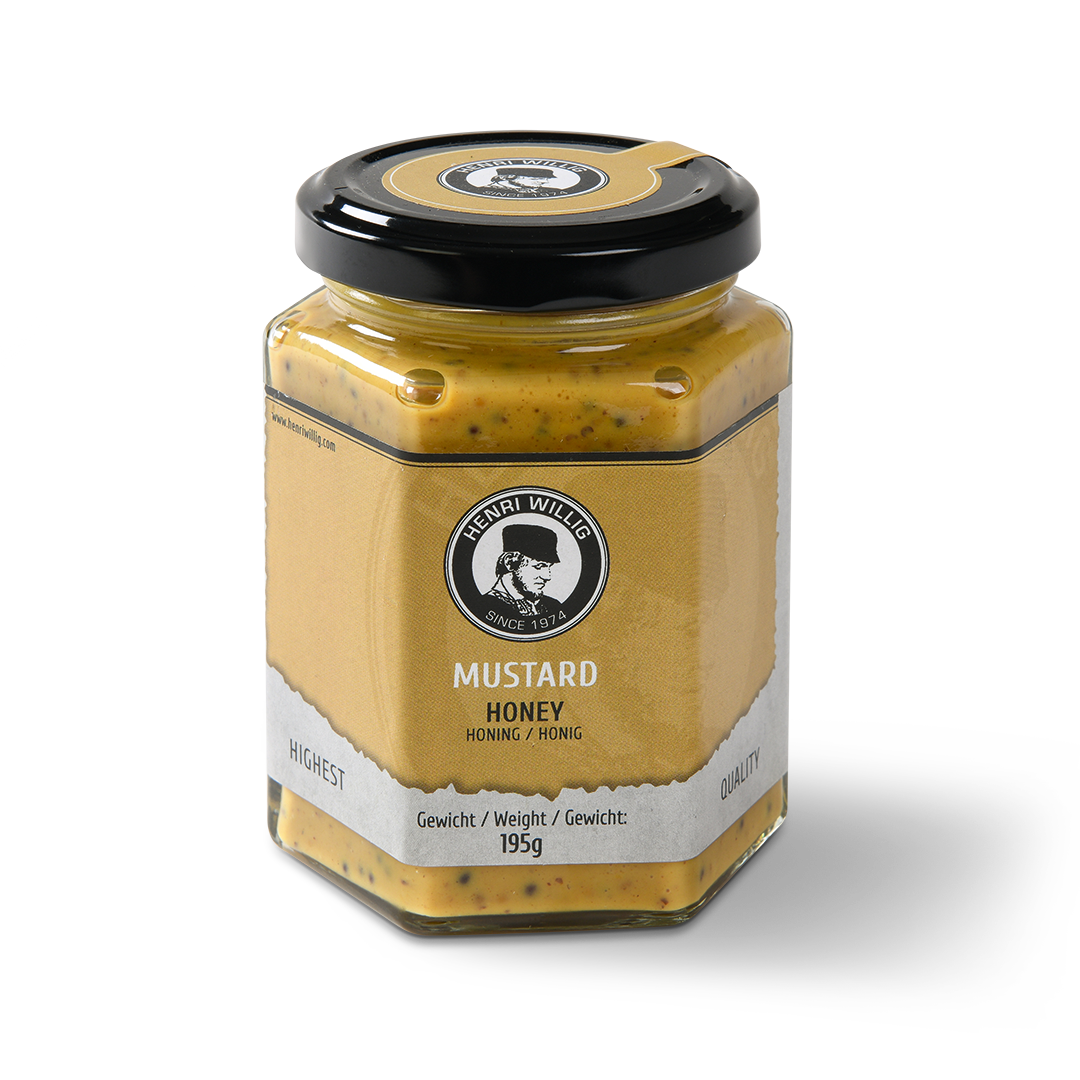 Mustard
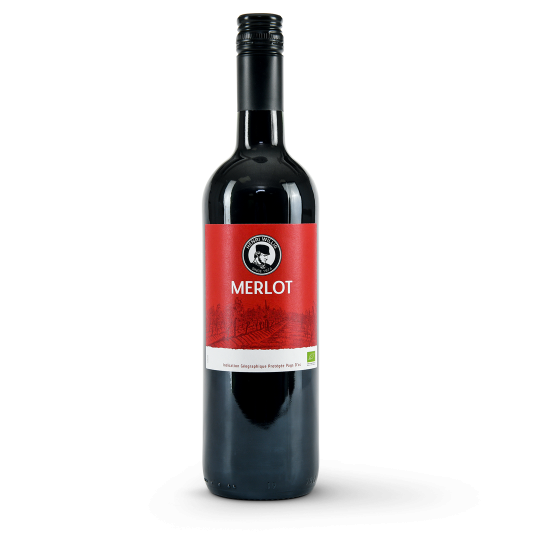 Alcoholic products

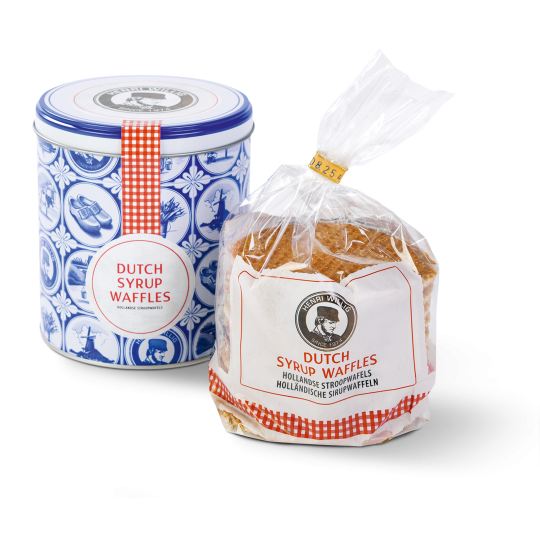 Syrup waffles
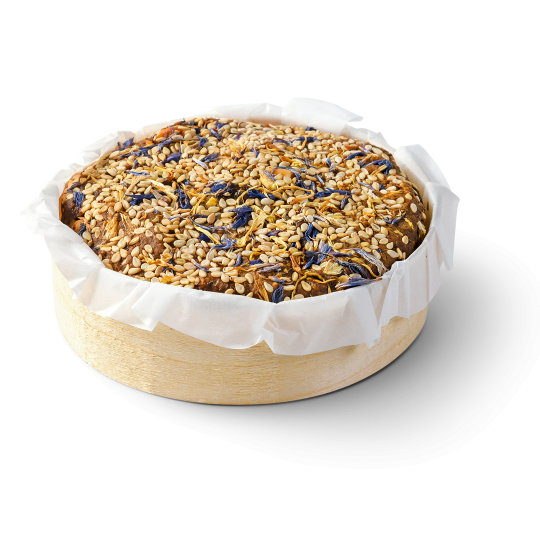 Fig Bread
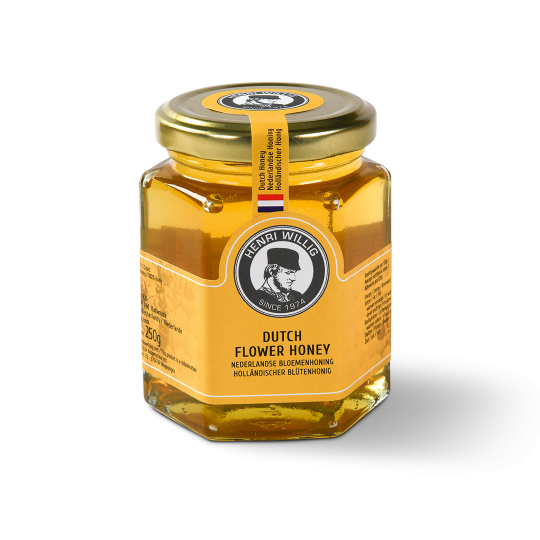 Honey
Honey
 Chocolate
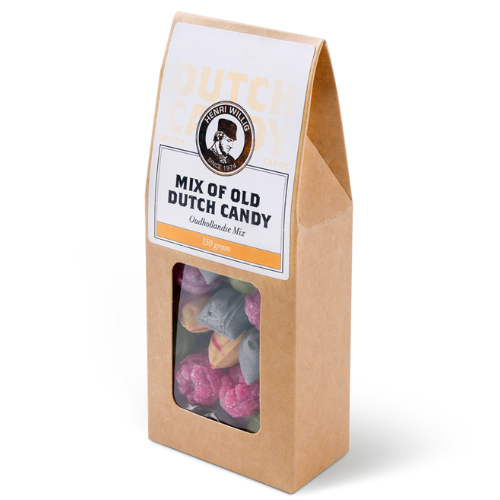 Candy
Candy

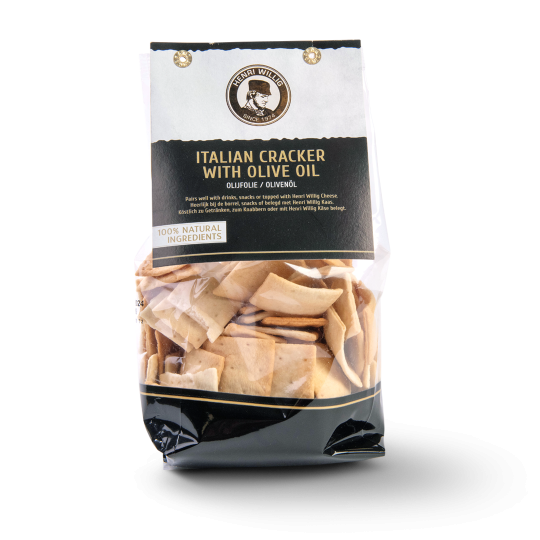 Savoury snacks
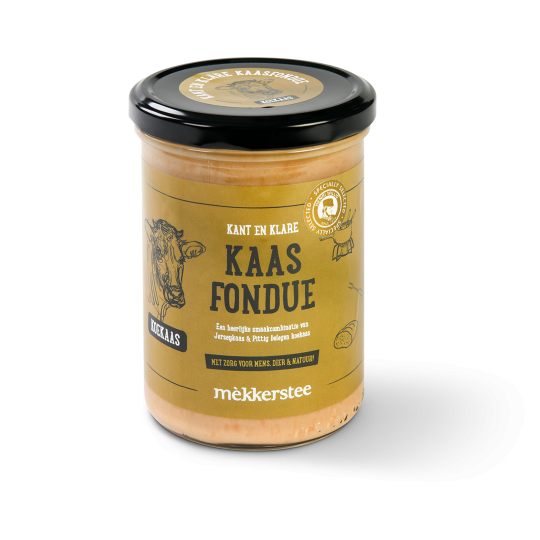 Cheese fondue
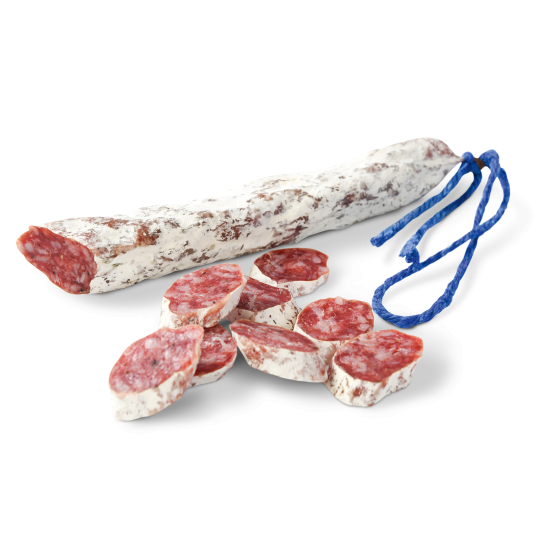 Fuet sausages


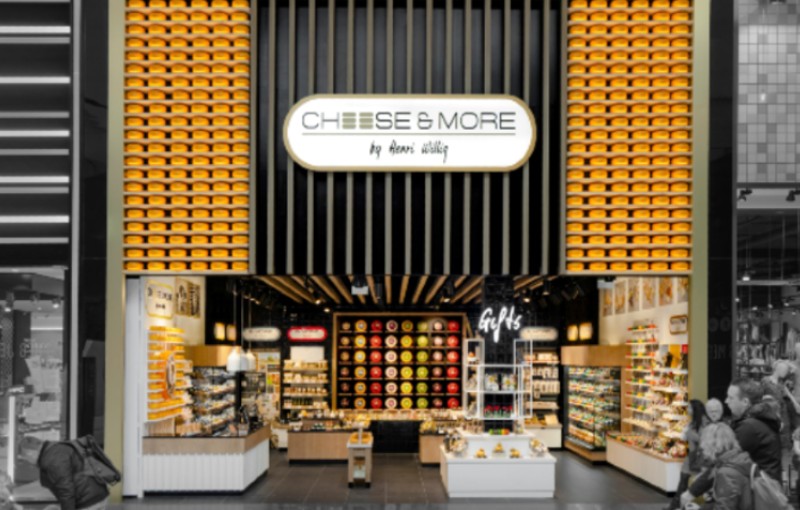 Cheese stores
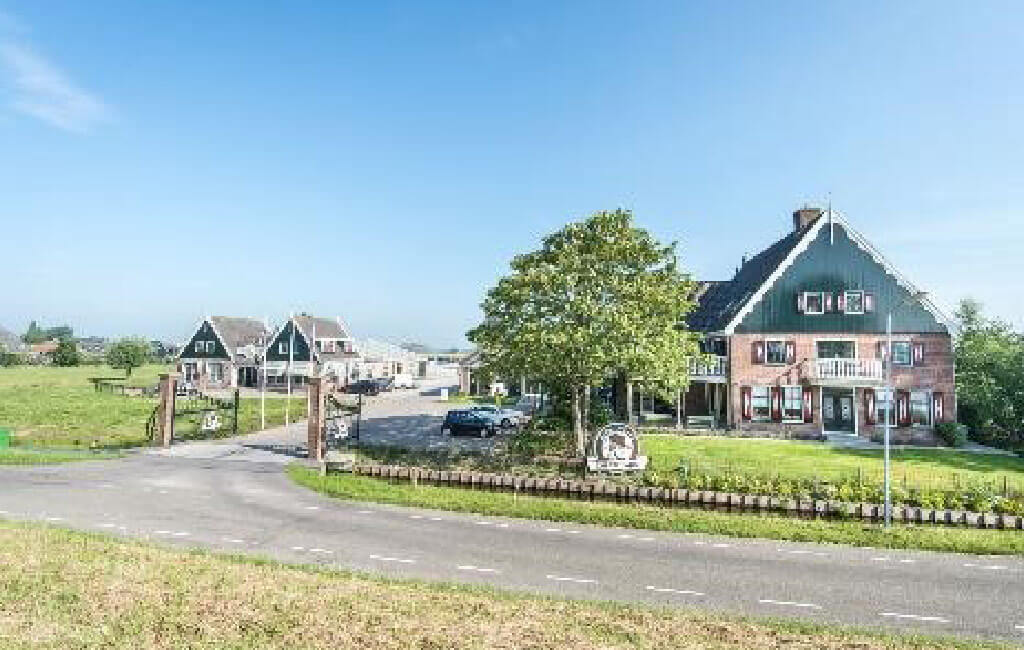 Cheese farms
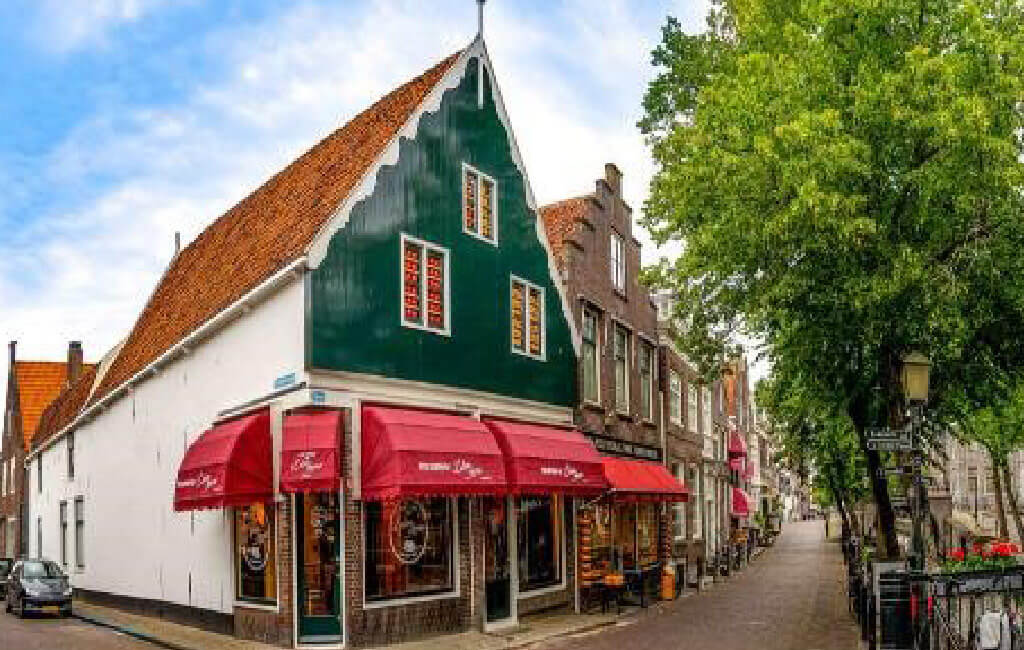 Experiences
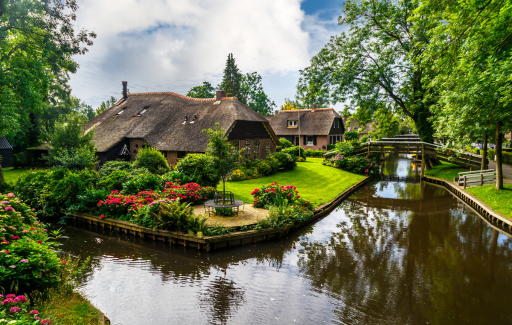 Grand Cafe Henri Willig Giethoorn
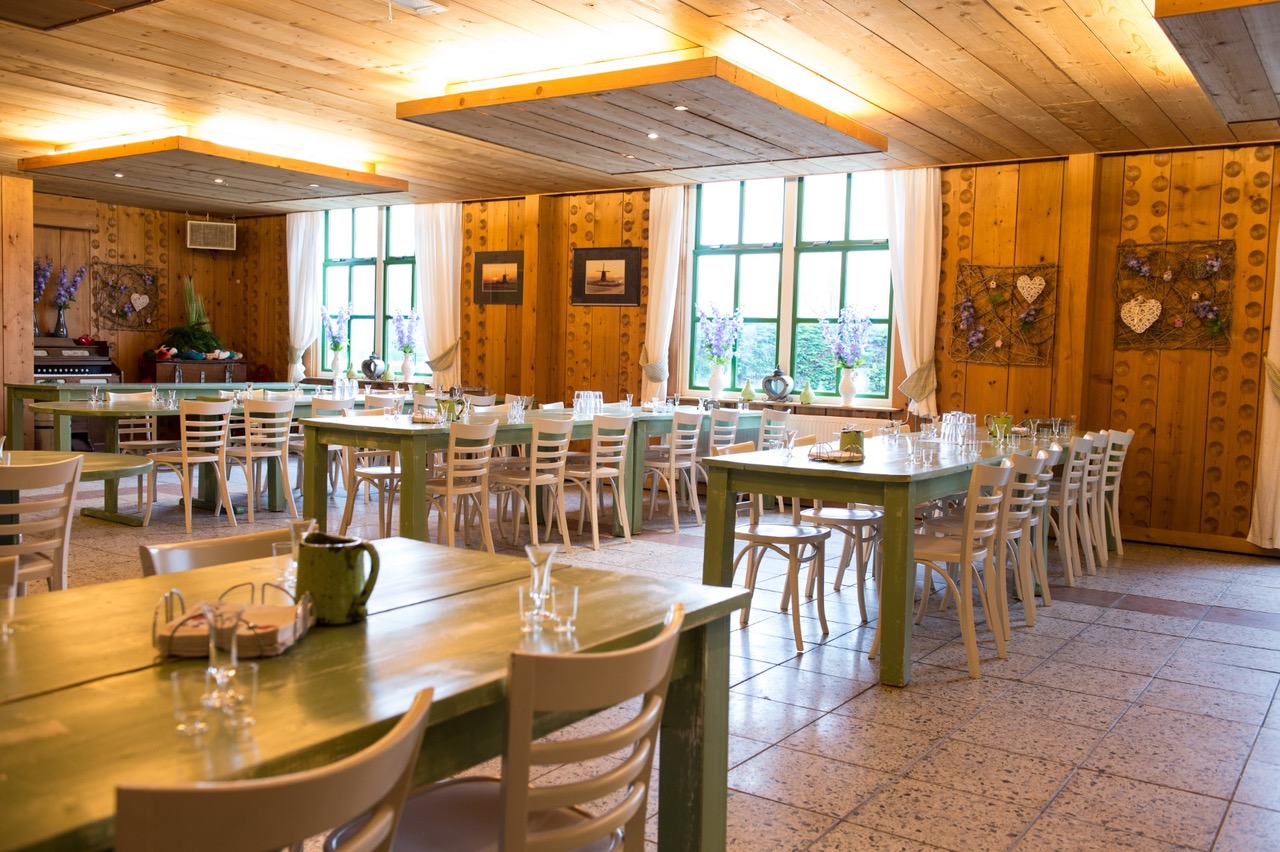 Restaurants
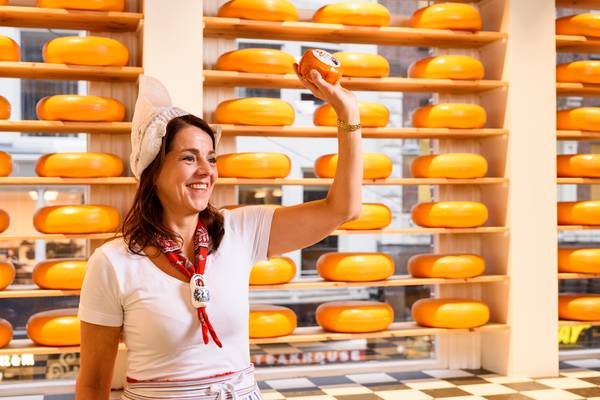 Tastings
 Recipes
 Meeting & Events
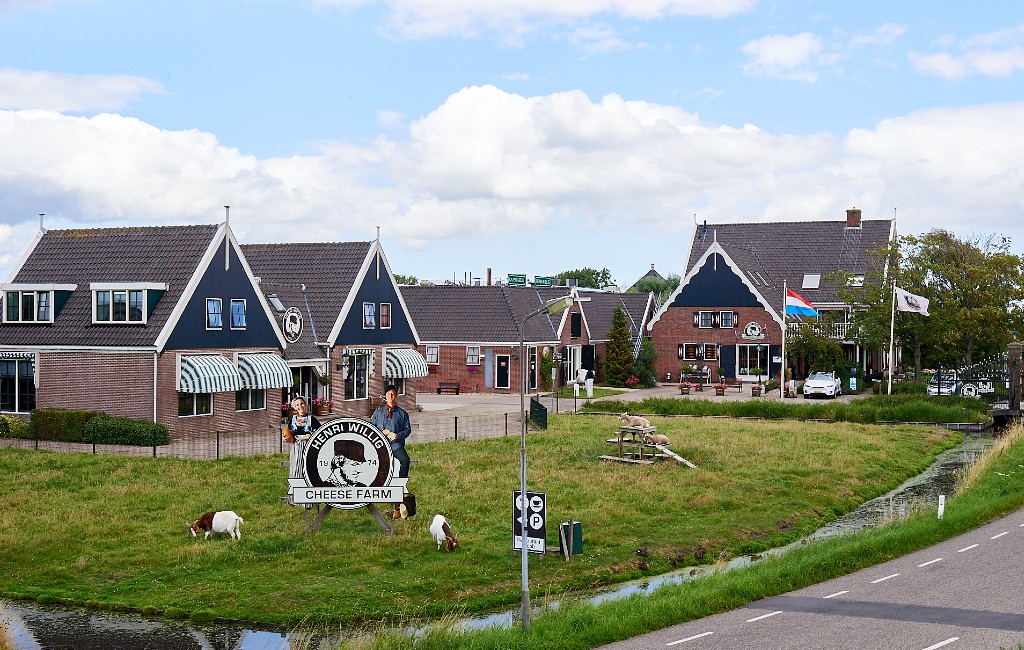 The Henri Willig family farm
 Cheese Production Process
 Experience our cheese
 CSR
CSR

Semi-annual CO₂ report April 2026
Heerenveen
In the time since our previous CO2 performance report a couple of things have changed. In one of our production facilities, located in Heerenveen, the amount of electricity used in the production process have been characterized per sub process. These known, measured amounts account for more than 95% of the total electricity consumed. This creates insight into our typical use of electricity throughout the day. However, there is still a limitation here, where we do not fully understand how the energy consumption is linked to every individual appliance or electric motor. On top of this, several correlations between energy use and the stages of each process became clear from the measurements. Most of these correlations make sense, although the exact numbers related are now more well-understood.
The previously mentioned correlations are still lacking in terms of individual appliances, therefore that is the next challenge. In principle this will be done after a device has been replaced. Since quantifying the consumption of every appliance in a factory would take an enormous amount of time, the focus is put on measuring a device just before and right after it is replaced. This way the benefit of a new (or refurbished) machine is immediately expressed, showing efficiency gains. Measuring these efficiency gains are vital for reporting on our emission reductions.
While the measurements were going on, there have also been several changes that saved energy:
- Several electrical motors have been replaced with a more efficient IE4 motor. This has saved up to 5% of the energy use of the respective motors.
- A number of fans have been turned off that were deemed unnecessary.
- The power control on the solar panels present on the roof has been changed, resulting in efficiency gains of up to 60% at the sunniest times, resulting in 10% extra electricity produced.
- The roof has had its top layer replaced, which helps insulate the whole facility. The extra solar panels reflect a lot of the sunlight. The skylights on the conditioned storage have been closed off, reducing natural light, luckily, it’s in areas where robots predominantly work. All this combined helps keep the heat out and therefore reduce our cooling demand.
- The pressure of the steam boiler has been reduced from 5,4 to 5 bar.
Katwoude
In Katwoude there have been developments as well, mainly in terms of energy efficiency. A steam line has been closed off, preventing further losses form the redundant pipe. The new CIP unit has been installed and is fully operational. It is now one of the projects to determine how much energy the new system, mainly the pumps, truly save in terms of energy. In the office building the last few rooms have been outfitted with an automatic light switch, making it impossible to forget to turn the light off. In the near future there are talks of heat recovery being applied to a new set of air compressors. In other news a new storage and distribution centre will be built, hopefully within this year, where a green fields approach can be taken to energy efficiency.
Dairy farm
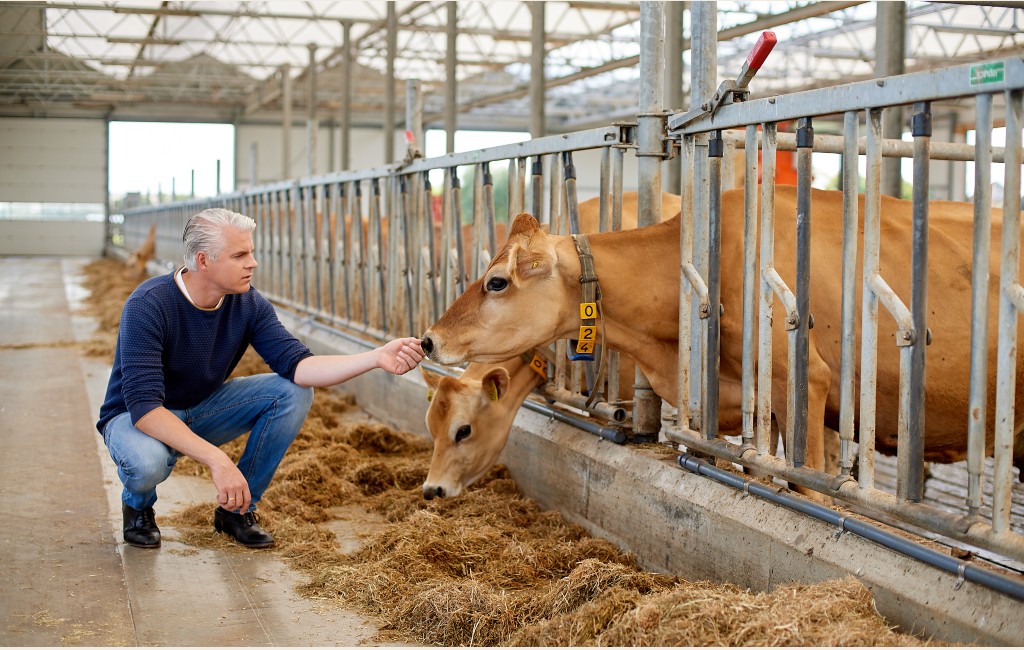
In another area where a future-proof position has been taken is on the dairy farm. Here, a wholly different way of farming has been adopted. The groundwater level has been artificially raised. This reduces oxidation in the peat soil and therefore reduces the amount of CO2 released. It also helps against the settling of the soil, preventing the overall height of the soil lowering any further. On the flip side since there is more water present in the top layers of the soil, more nutrients are flushed out. The loss of these nutrients lowers overall yields. However, this just makes it a more sustainable and eco-friendly way of farming on peat.
Objective
Since the previous half-yearly report, the objective has been revised. The new objective is: a 10% reduction in CO₂ emissions per kilogram of cheese produced by 2030 compared to 2024, for both production locations. The achieved results for 2025 are shown below:
| Year | Heerenveen | Katwoude | ||
| kg CO2/kg cheese | % reduction compared to 2024 | kg CO2/kg cheese | % reduction compared to 2024 | |
| 2024 | 0,583 | 0% | 0,788 | 0% |
| 2025 | 0,512 | 12,2% | 0,730 | 7,4% |
This year as well, a clear difference between the two locations is once again visible. This difference is the result of the various measures and optimisations that have been implemented at each location since August last year.