
 All cheeses
 Small cheese wheels
 Cheese pieces
 Whole cheeses
 Organic cheeses
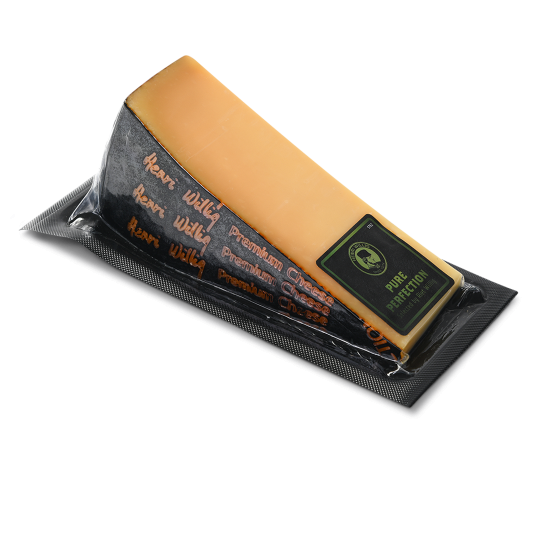 Cheese family line
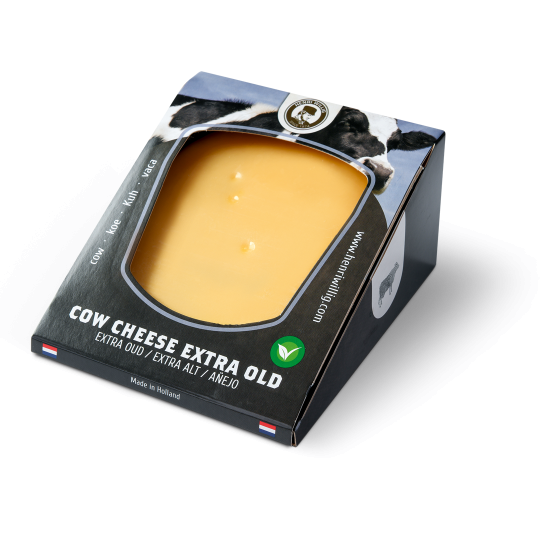 Premium selection
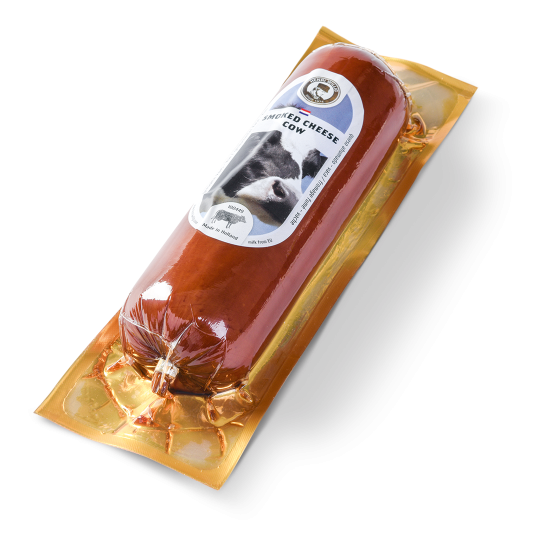 Smoked cheese

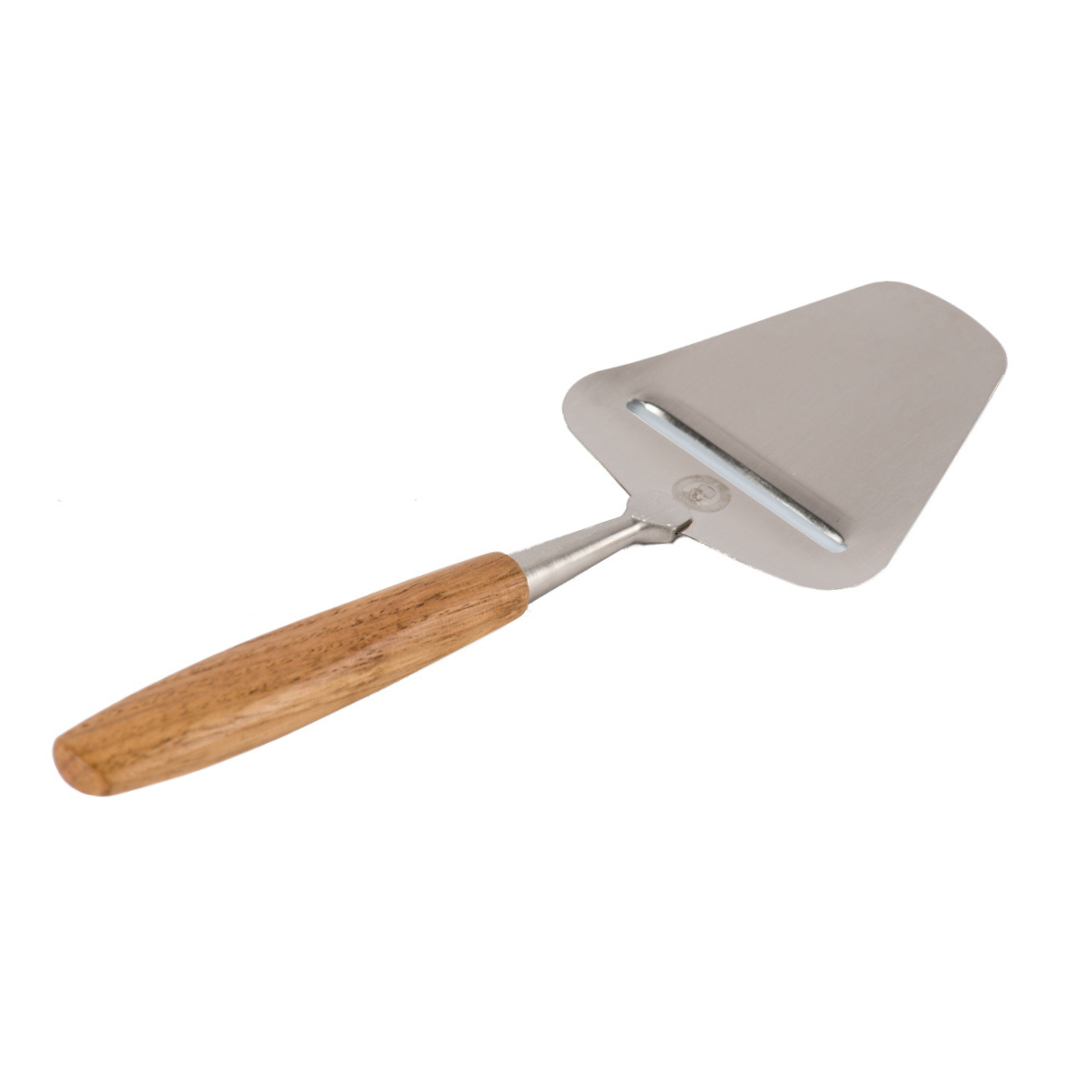 Cheese slicers
 Cheese graters
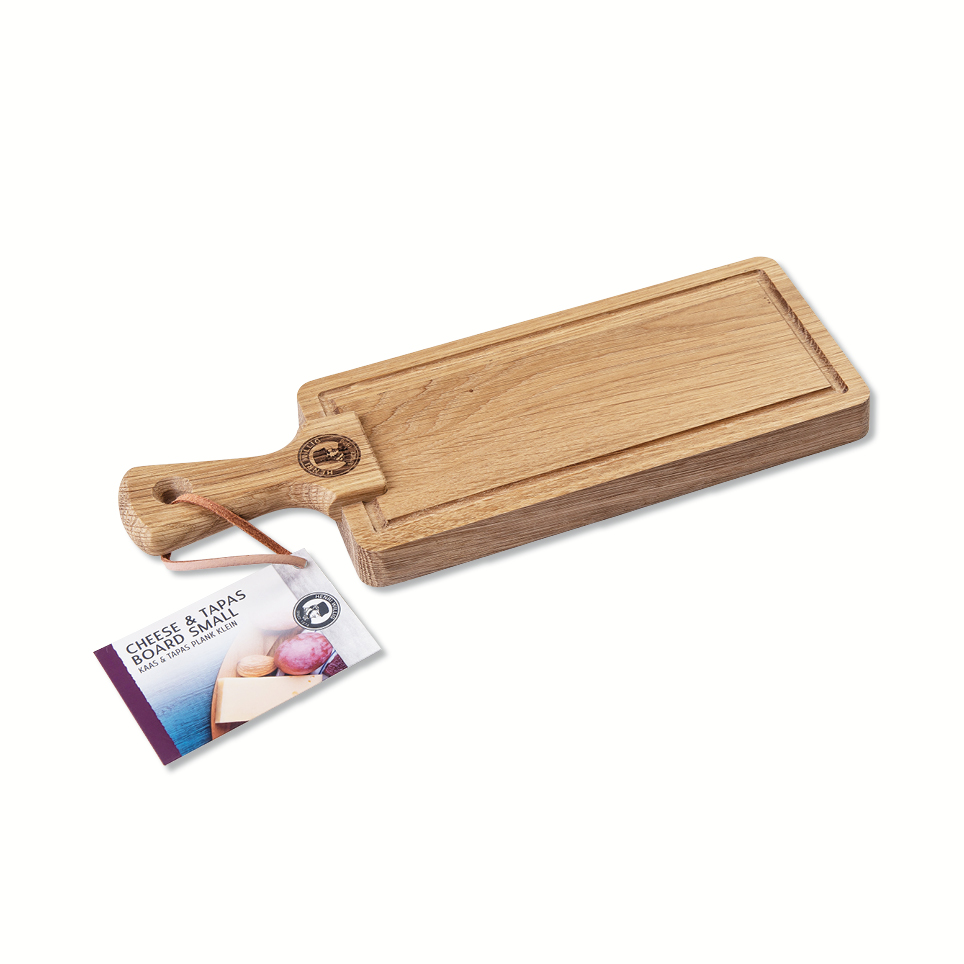 Cheese boards
 Cheese knives
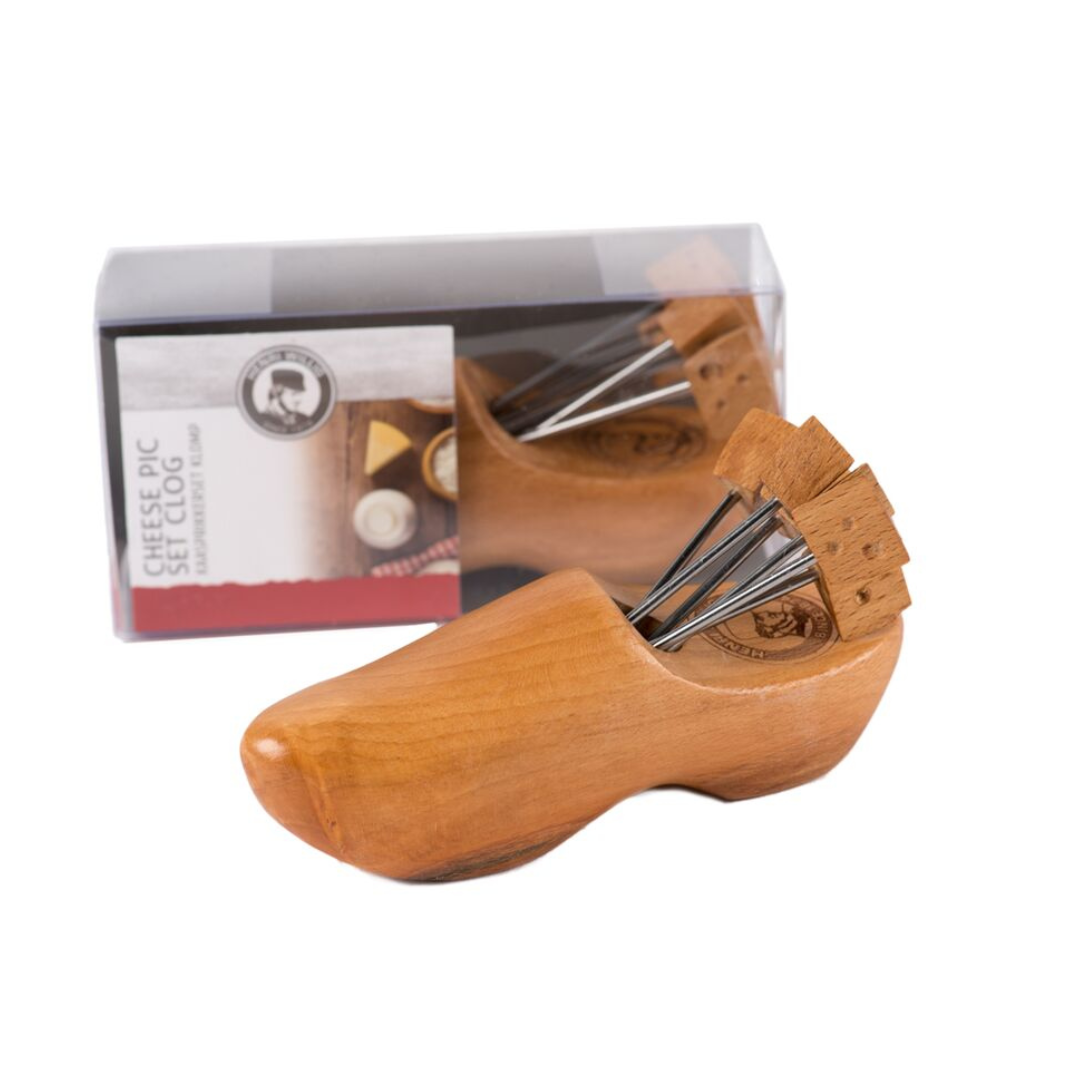 Other accessories

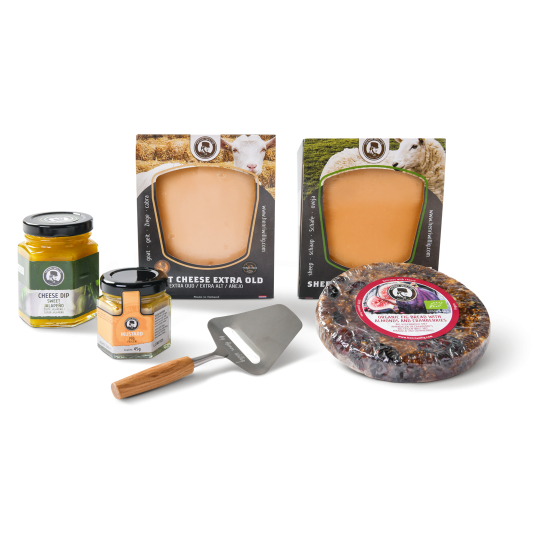 Cheese gifts
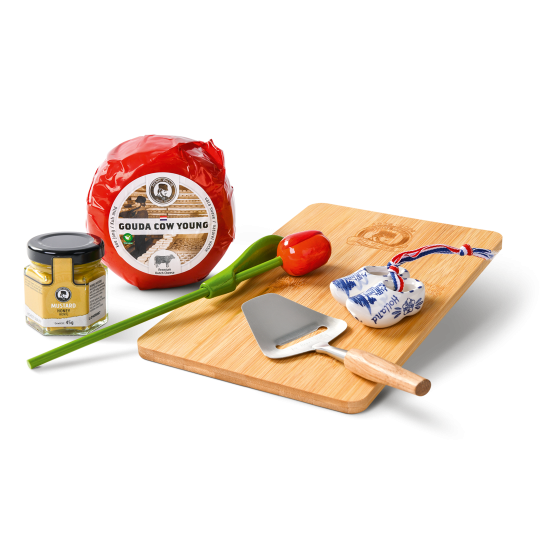 Easter gifts
 Combined sets
 Corporate gifts
 Christmas gifts

 Cheese Dips
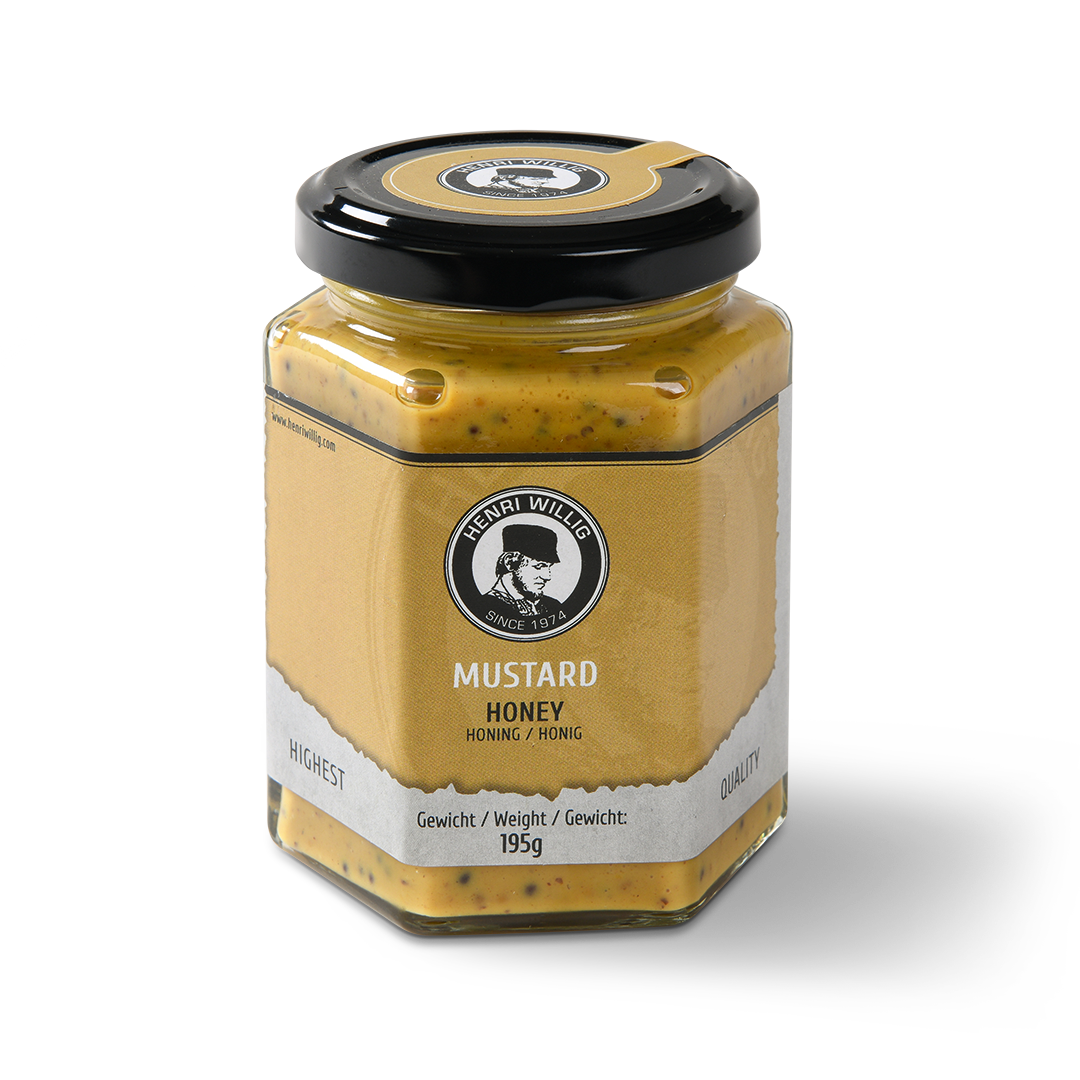 Mustard
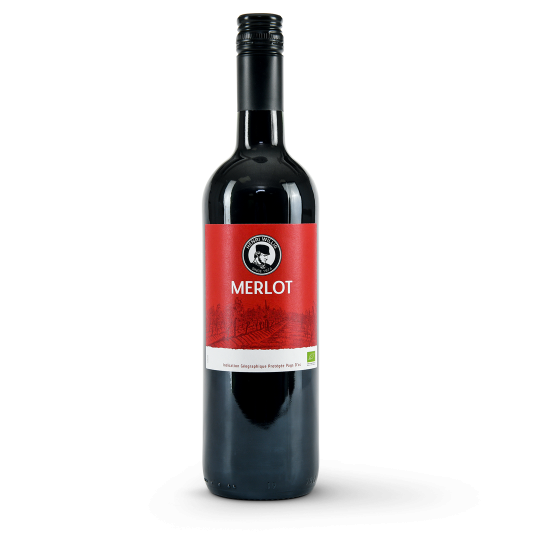 Alcoholic products

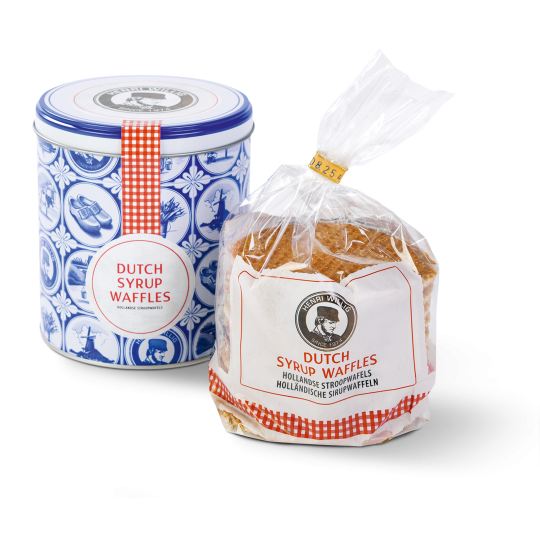 Syrup waffles
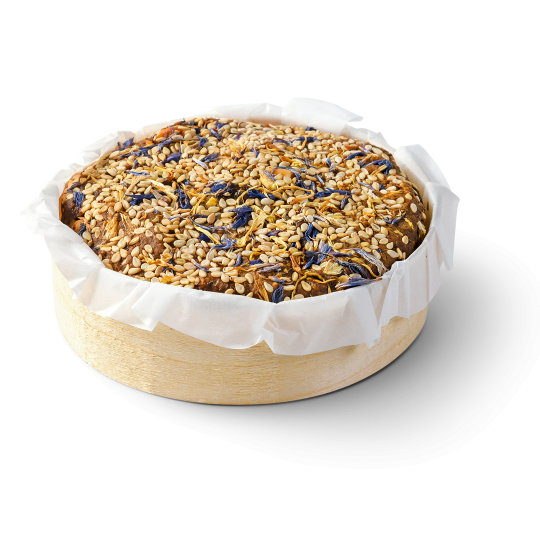 Fig Bread
 Honey
Honey
 Chocolate
 Candy
Candy

 Savoury snacks
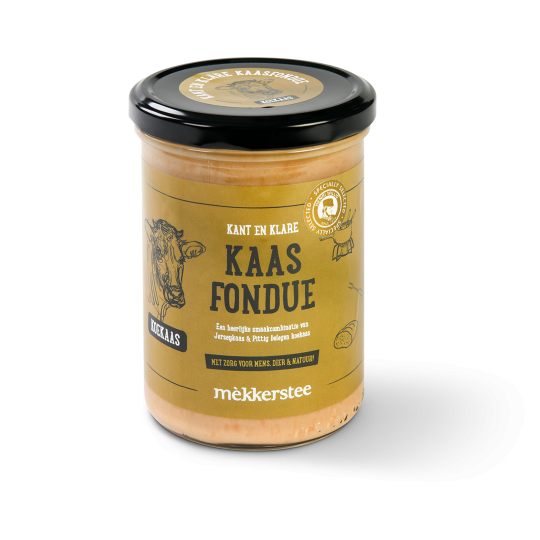 Cheese fondue
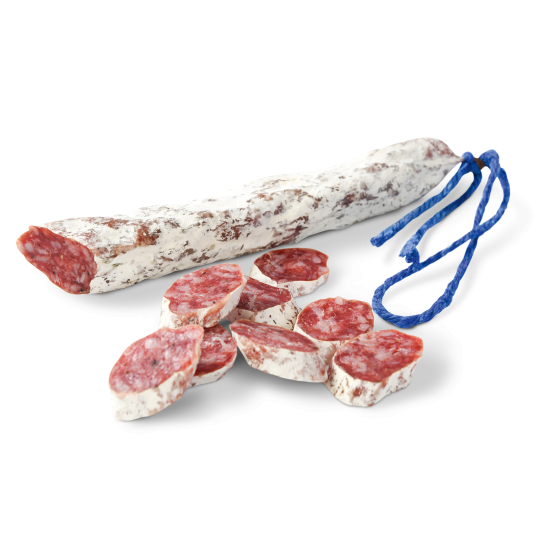 Fuet sausages


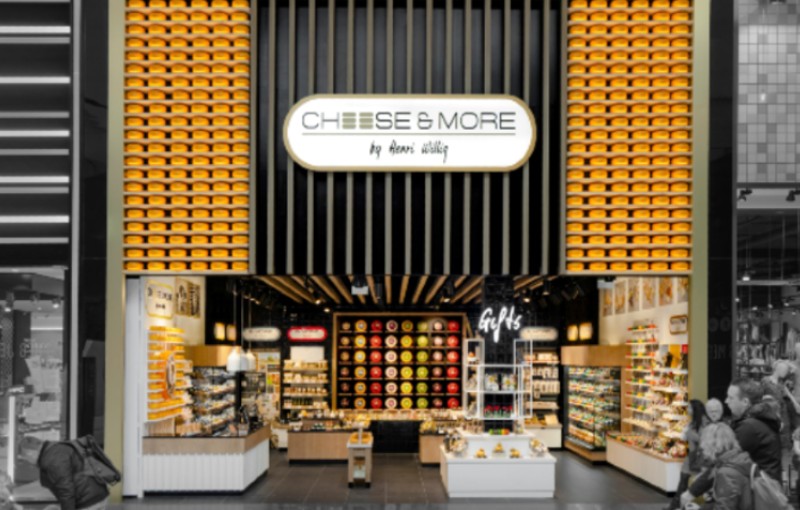 Cheese stores
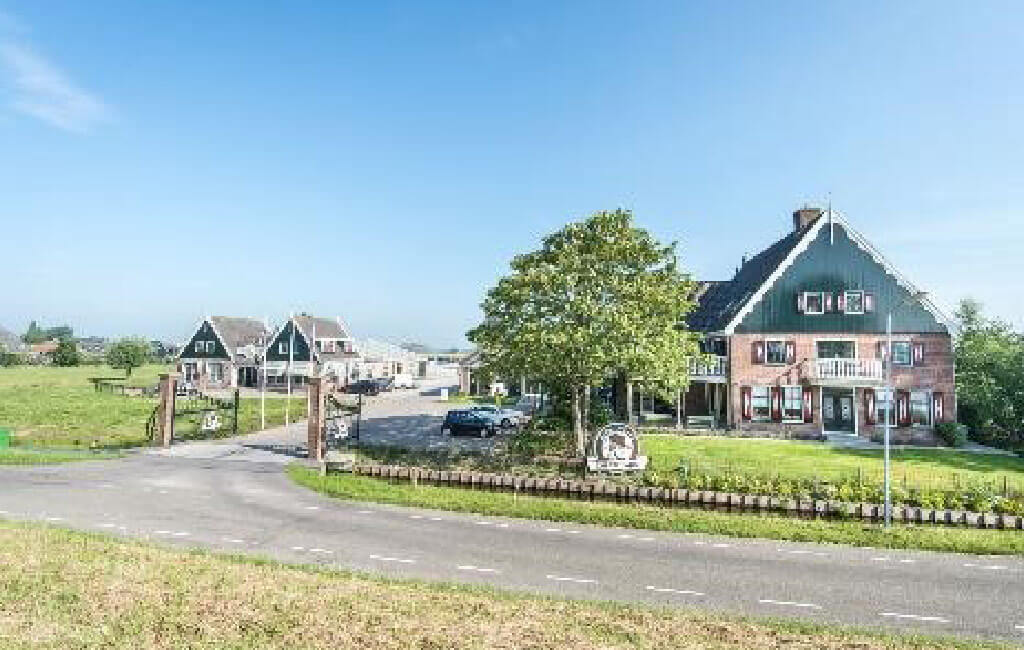 Cheese farms
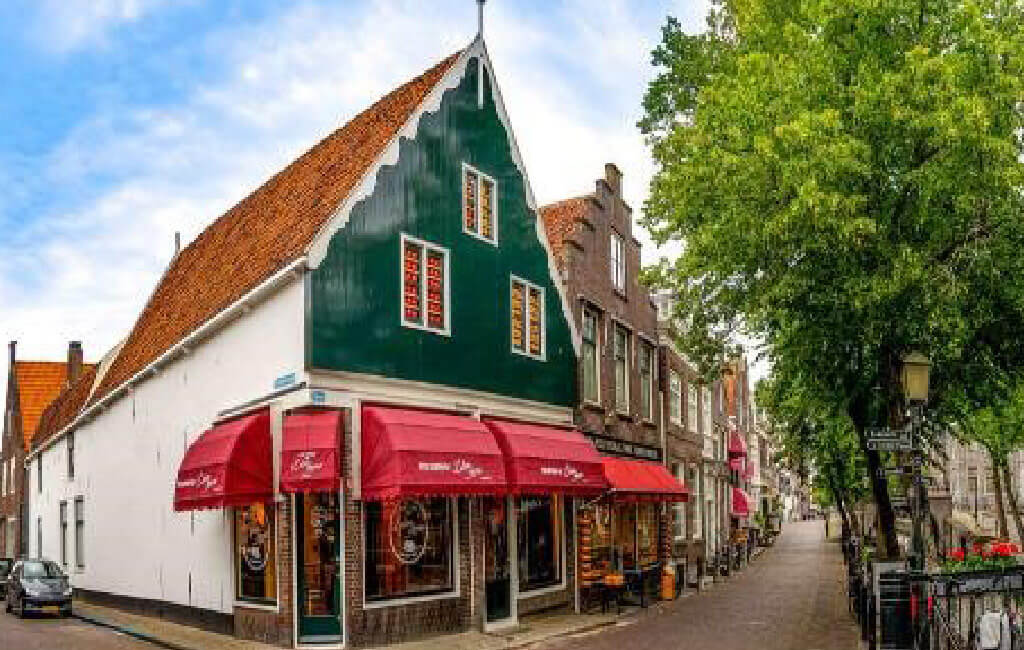 Experiences
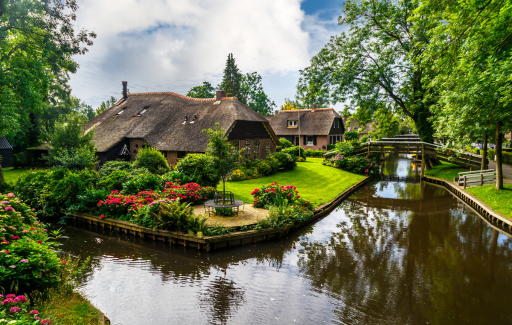 Grand Cafe Henri Willig Giethoorn
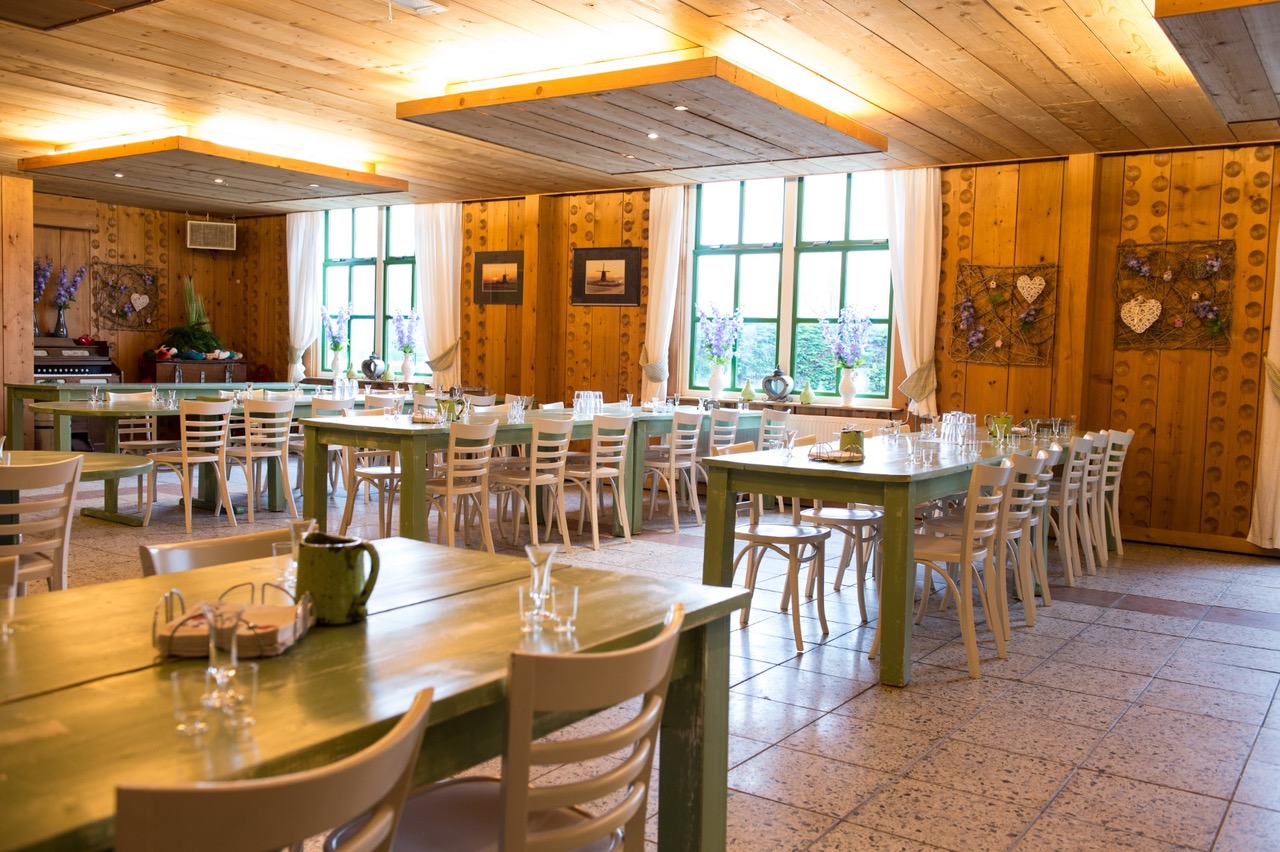 Restaurants
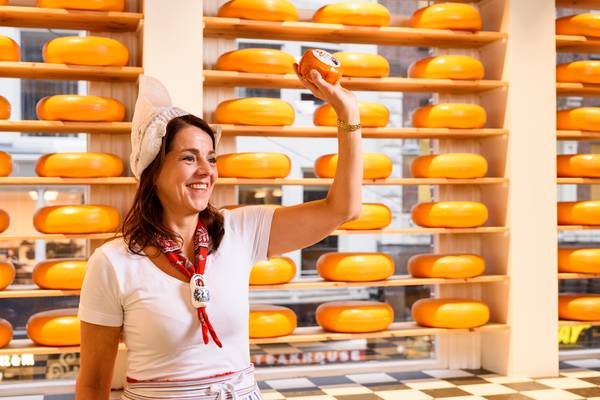 Tastings
 Recipes
 Meeting & Events
 The Henri Willig family farm
 Cheese Production Process
 Experience our cheese
 CSR
CSR

Let's talk about cows!

50 years ago, Henri and Riet started their cheese factory. In the beginning, Holstein (black and white) cows walked around on the meadow and the milk from these cows was used to make the cheese. Now years later, there are no Holstein cows on our land, but Jersey cows. And that is a conscious choice.

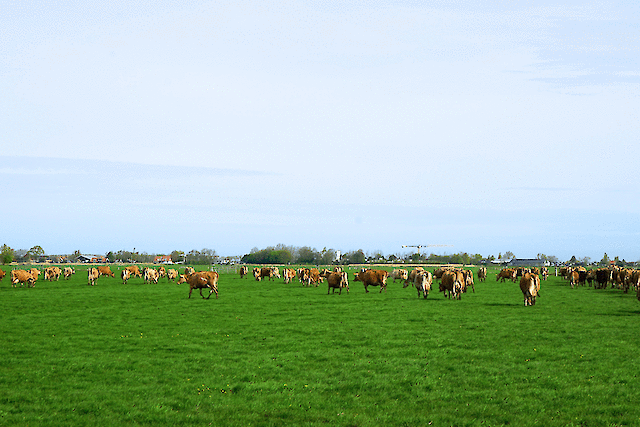 On our farm in the Katwoude polder, where the marshland was reclaimed around a thousand years ago, we are creating an environment where our cows have plenty of space and where we focus on animal welfare, biodiversity and responsible farming. With 65 hectares of land, our animals have plenty of space to graze and thrive. Here, we have not only chosen a way of farming that embraces nature, but also a special breed of cow: the Jersey.
Why Jersey cows? It all began with a chance encounter – a story of four thousand Jerseys in America, told by a Dutchman with a vision. ‘This is by far the most economical cow you could find,’ he proclaimed with great conviction. Henri was intrigued and set about learning more about this remarkable breed. He discovered that this American farmer was right and that Jersey cows would be a perfect match for us.
Our choice of Jersey cows, with their lighter weight and more efficient digestion, is perfectly suited to our soft pastures. Not only are these cows gentle and well-proportioned animals, but they also produce milk with a high fat and protein content. This makes the milk very creamy and rich in flavour.
One of our most innovative practices is the concept of ‘extended lactation’. Under this system, our cows do not calve every year; instead, we allow them to calve only every few years, enabling them to lead long and healthy lives without the excessive stress of frequent calving. Calving is the most difficult time in a cow’s life and always carries risks. By reducing the number of times she calves during her lifetime, we expect her to live for many more years in good health and with good milk production. We have been doing this for six years now, and the results look very promising. It also involves much less work, and far fewer calves are born. If the cows do indeed live much longer, we can also keep fewer young stock, which in turn is good for the environment and our financial results. We are pioneers in this field and the first farm in the Netherlands to implement this approach.
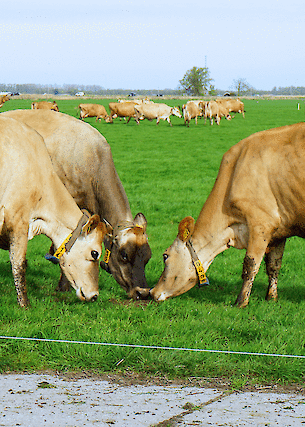
It is not just the care of the cows that is essential to us; the way in which we rear their calves is just as important. These calves are not kept amongst the adult cows in the large cowshed. Our experience has taught us that there is an increased risk of infection in the cowshed, which can make the young calves ill and may even lead to some of them dying. Under the current system, in a separate, clean barn, this works very well without any illness or mortality. This dedicated barn for the calves results in healthy and strong animals.
To keep the use of antibiotics to a minimum, we rely on preventative healthcare using natural and homeopathic remedies. In this way, we ensure that only the strongest and healthiest animals remain on our farm, making our milk a high-quality product, free from antibiotics.
What makes our approach special is our holistic view of farm life. We are one of the pioneers in the Netherlands in the field of organic farming, which means we do not fertilise the land with artificial fertilisers and do not use herbicides or pesticides. This promotes a rich soil life, which is essential for the health of our land, our crops and our animals.
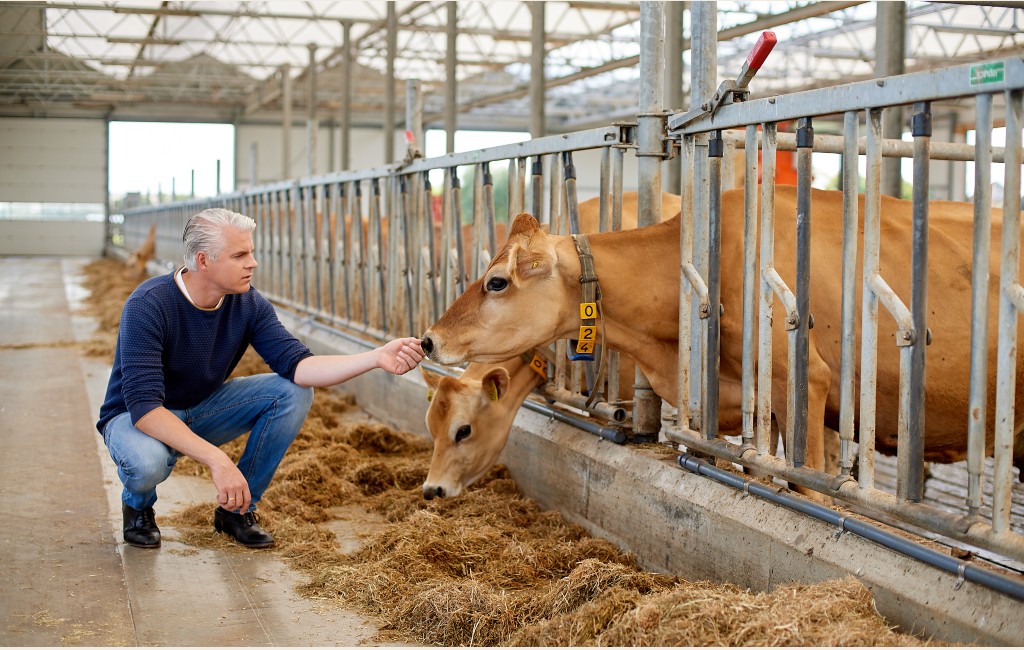
We call our barn a ‘potstal’, and here the cows lie resting in the straw. There is plenty of extra space in the barn, allowing the cows to express their natural hierarchy without any of them feeling cramped. As there are no cubicles in the barn and there is plenty of space, the barn is always a peaceful place.
We muck out the barn four times a year using a shovel. The straw manure is then composted and is ready to be spread over the fields as fertiliser.
We are constantly working to use water and energy more efficiently. For example, we source the cows’ drinking water from a rainwater storage tank and generate around 30 per cent of our electricity ourselves using solar panels.
On our farm, guests have the chance to experience farm life up close. Visiting our cows in the deep-litter barn and meeting our calves and heifers is a unique experience that won’t be forgotten in a hurry.
In short, for us it’s all about caring for our cows, respecting nature and constantly improving our working methods for the benefit of people, animals and the environment.
To see and experience for yourself how we look after our cows, everyone is to our organic Jersey farm at Hoogedijk 8 in Katwoude.
Order via our webshop
Is this article already making you hungry?
Check out Henri Willig's delicious recipes below.
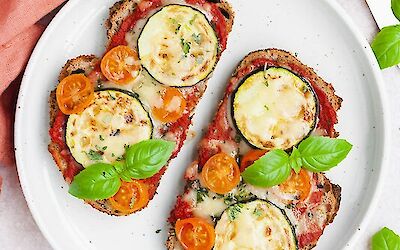
Pizza toast with Jersey cheese
Fancy something easy with lots of flavour? This pizza toast with courgette is crispy, creamy and packed with vegetables. Crispy bread, melted cheese and juicy courgette - simple, quick and surprisingly delicious!
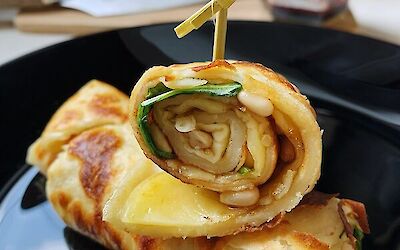
Making Dutch savoury pancake wraps with Jersey cheese
Preparation: In advance, grate the cheese for over the pancake. (You can also shave the cheese if you don't have a grater) Put the flour in the batter bowl and add a pinch of salt and half (400 ml) of the milk. Stir with a whisk or mixer to make a smooth batter. While stirring, add the rest (400 ml) of the milk and the 3 eggs. Let the frying pan get well hot. Toast the pine nuts briefly in the hot pan until they turn light brown. Then heat a dash of oil in the pan. Make sure that each pancake a little oil in the pan so the batter does not stick. Pour batter into the pan with a spoon, let it spread out over the bottom and fry the pancakes on one side until golden brown. Turn the pancake over, and sprinkle the grated Jersey cheese over the pancake. Fry the pancake until the cheese is nicely melted. Place the pancake on a plate. Top the pancake then with some arugula, the toasted pine nuts and the date balsamic dip. Roll up the pancake, cut it in half and secure with a skewer. Then it's a pancake wrap and looks totally festive. Cold also delicious!
-
 Cheese inspiration recipes
 -
 Premium cheese from Holland
 -
 Customers rate us with an average of 9.5
 -