
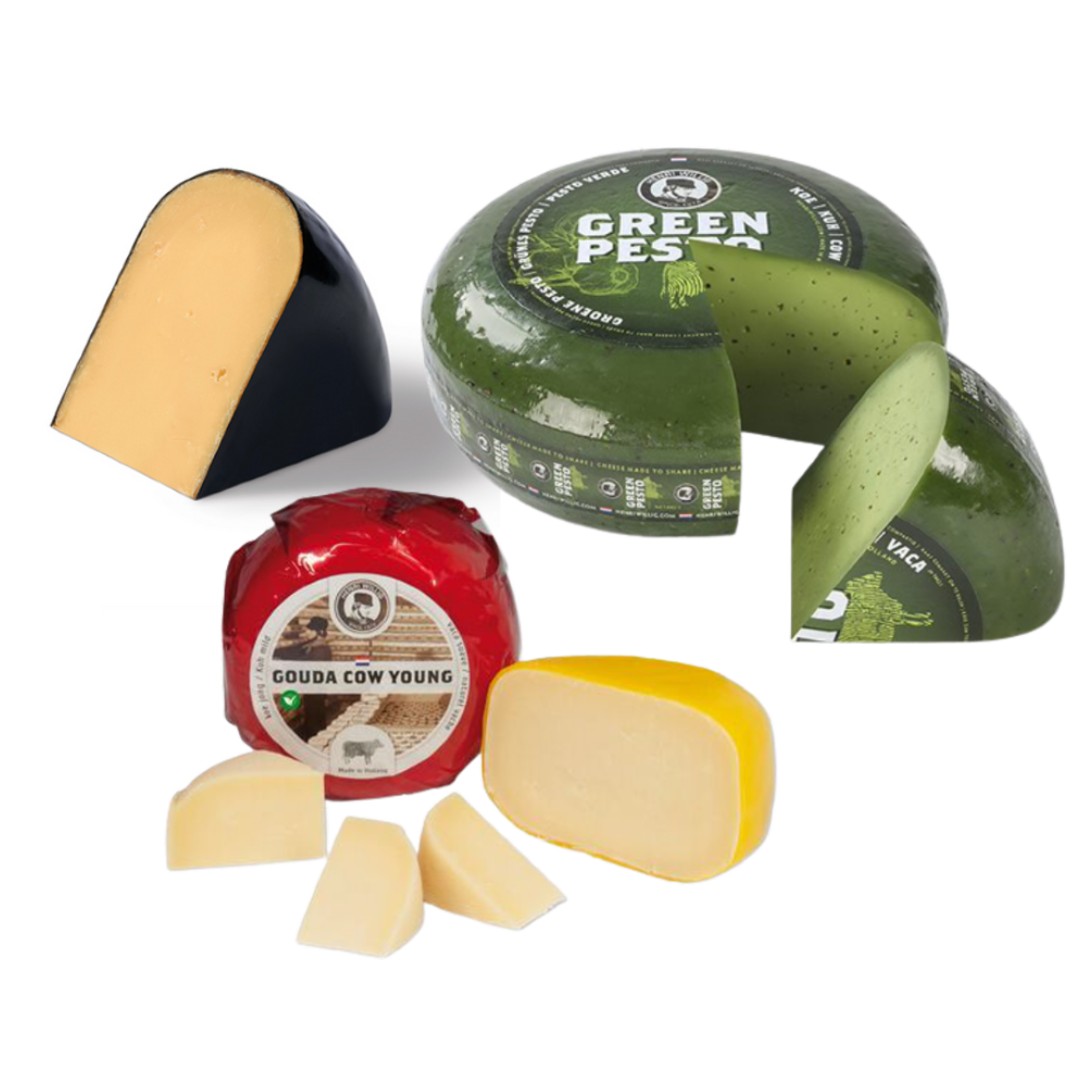
 All cheeses
 Small cheese wheels
 Cheese pieces
 Whole cheeses
 Organic cheeses
 Cheese family line
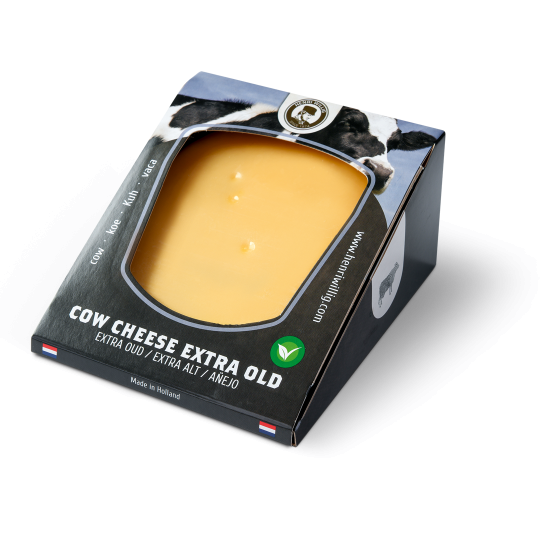 Premium selection
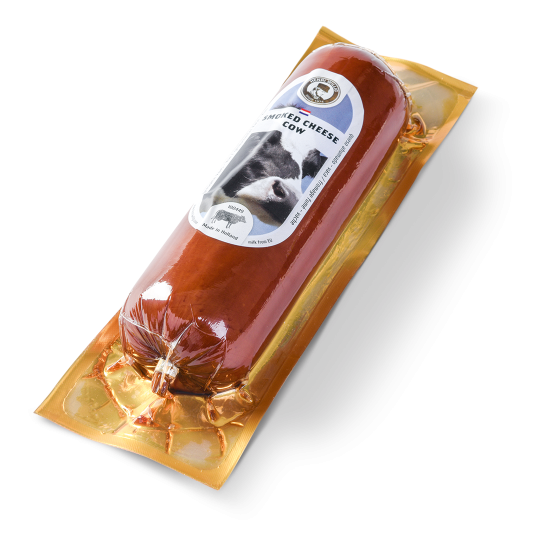 Smoked cheese

 Cheese slicers
 Cheese graters
 Cheese boards
 Cheese knives
 Other accessories

 Cheese gifts
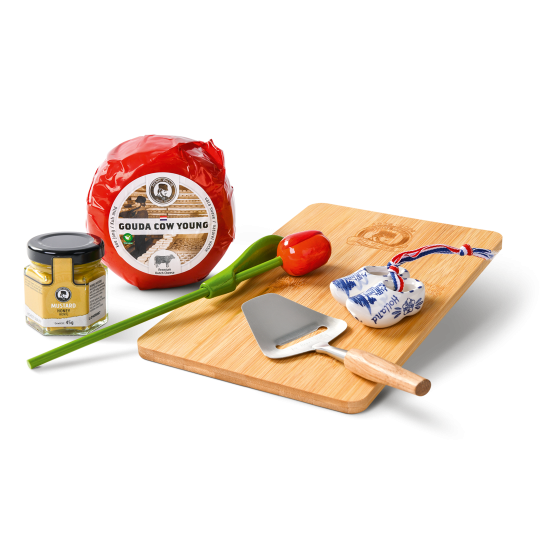 Easter gifts
 Combined sets
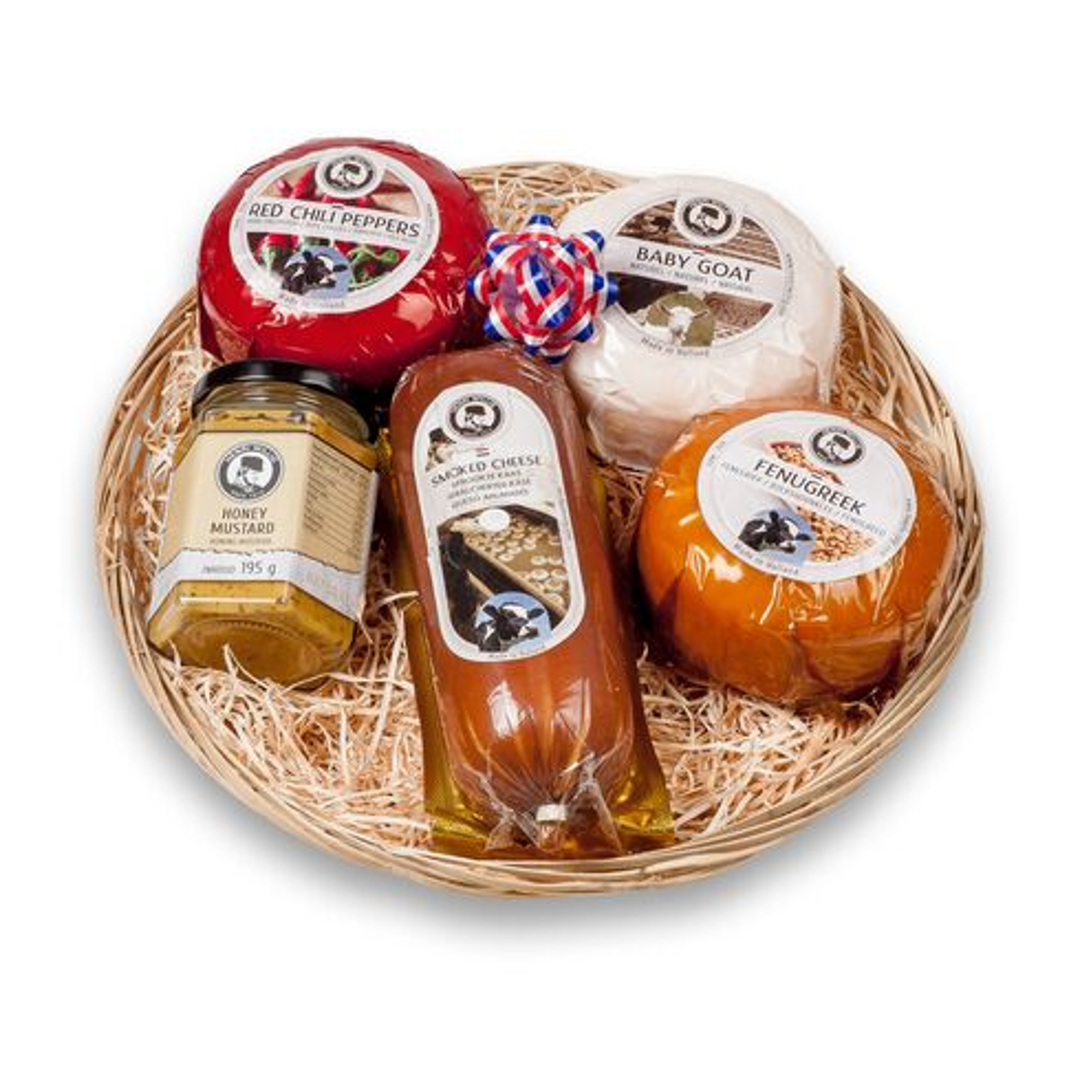 Corporate gifts
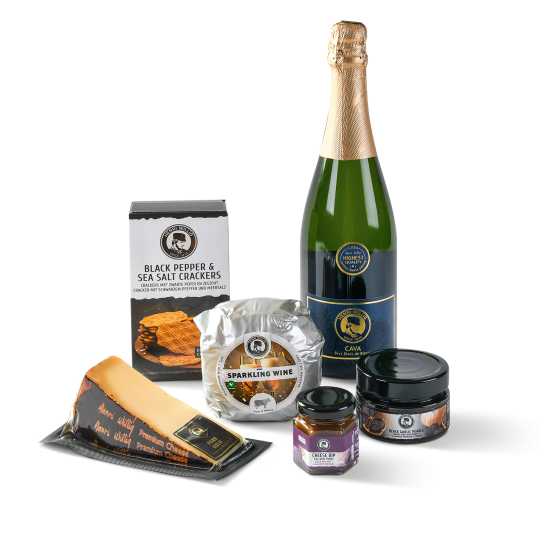 Christmas gifts

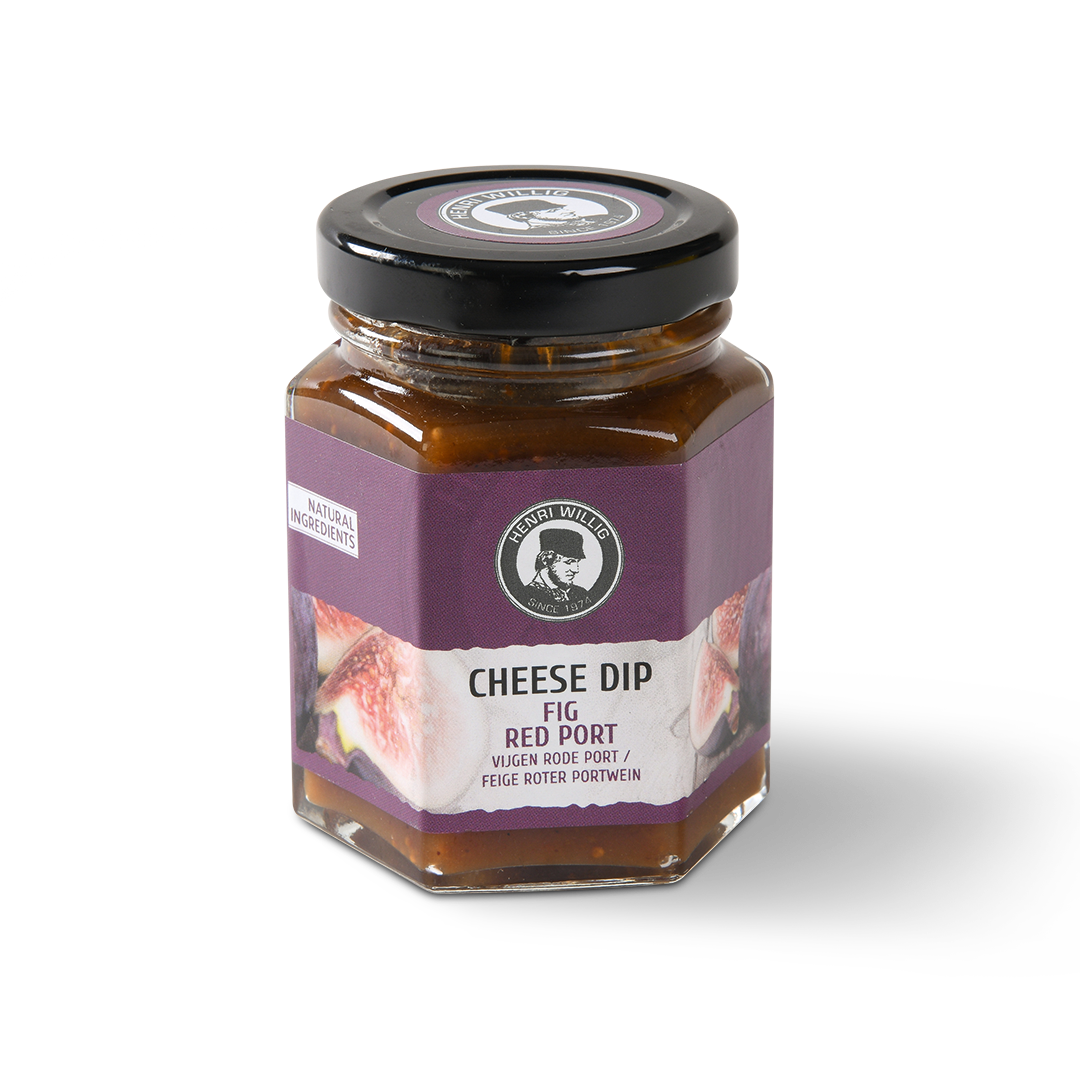 Cheese Dips
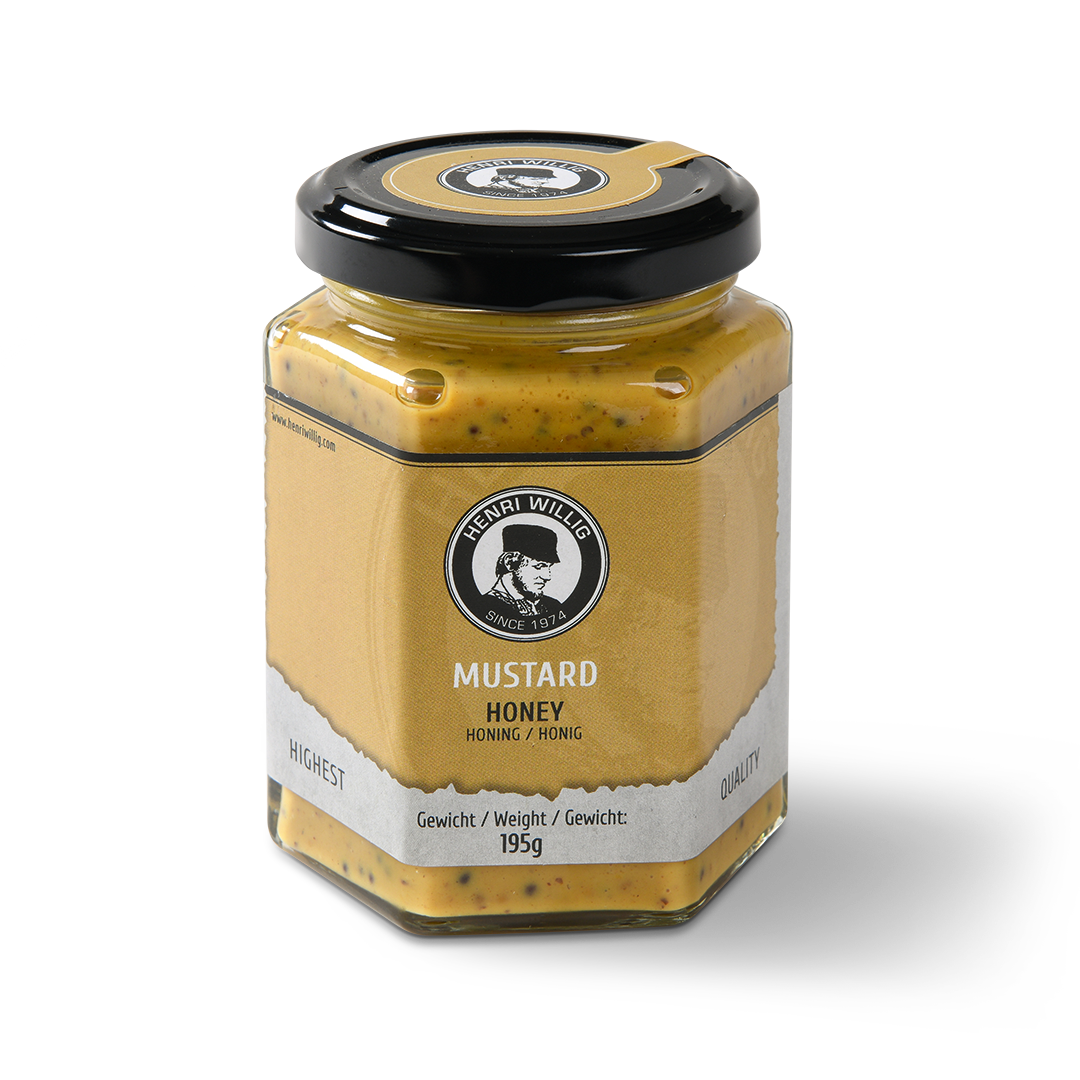 Mustard
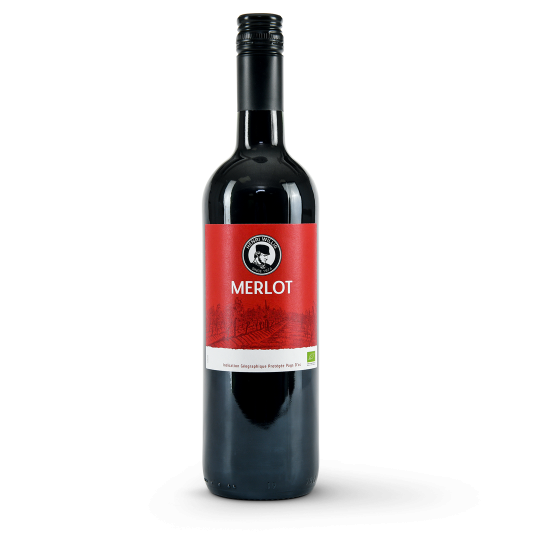 Alcoholic products

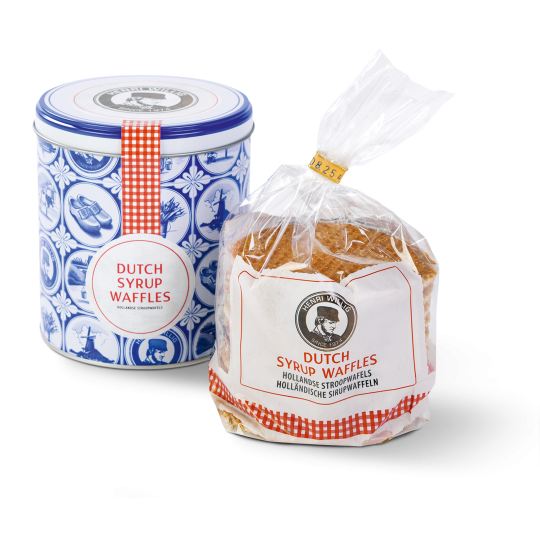 Syrup waffles
 Fig Bread
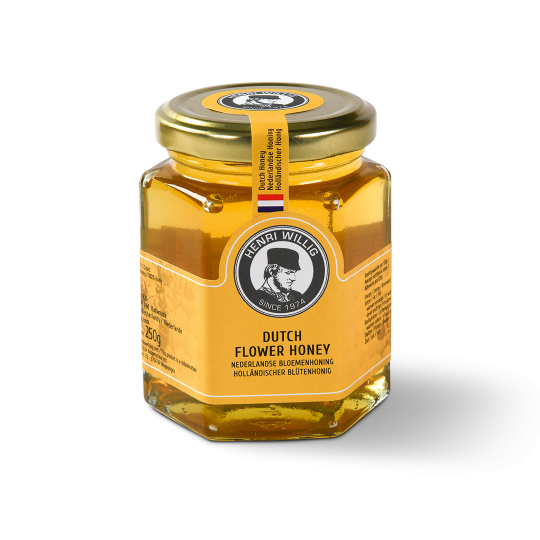 Honey
Honey
 Chocolate
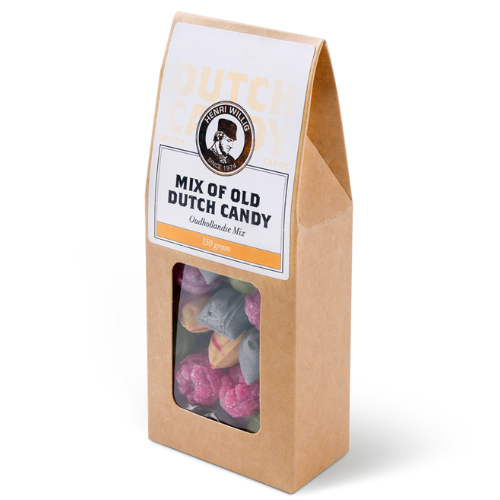 Candy
Candy

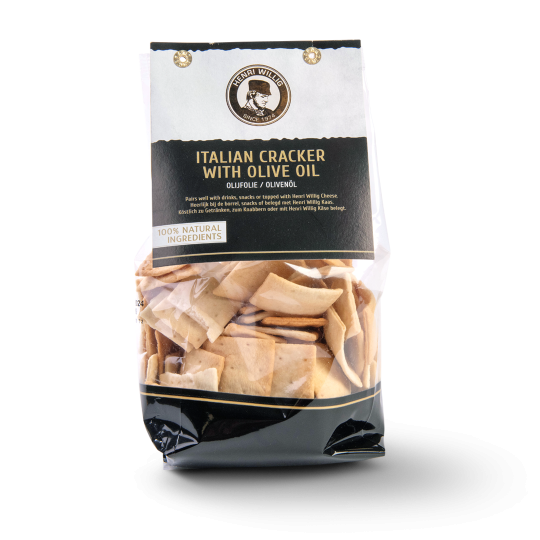 Savoury snacks
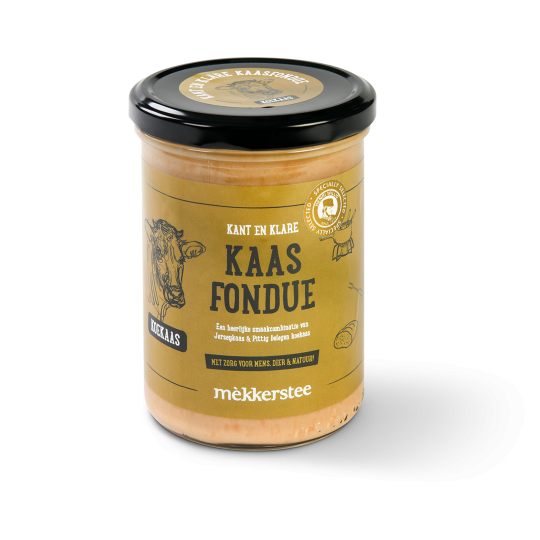 Cheese fondue
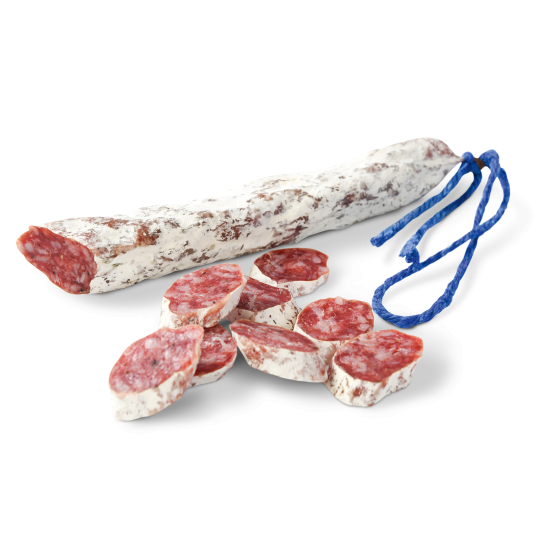 Fuet sausages


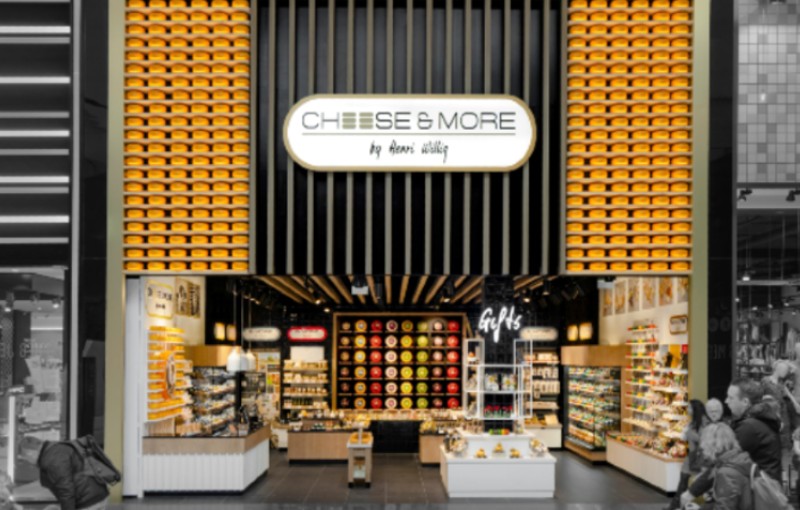 Cheese stores
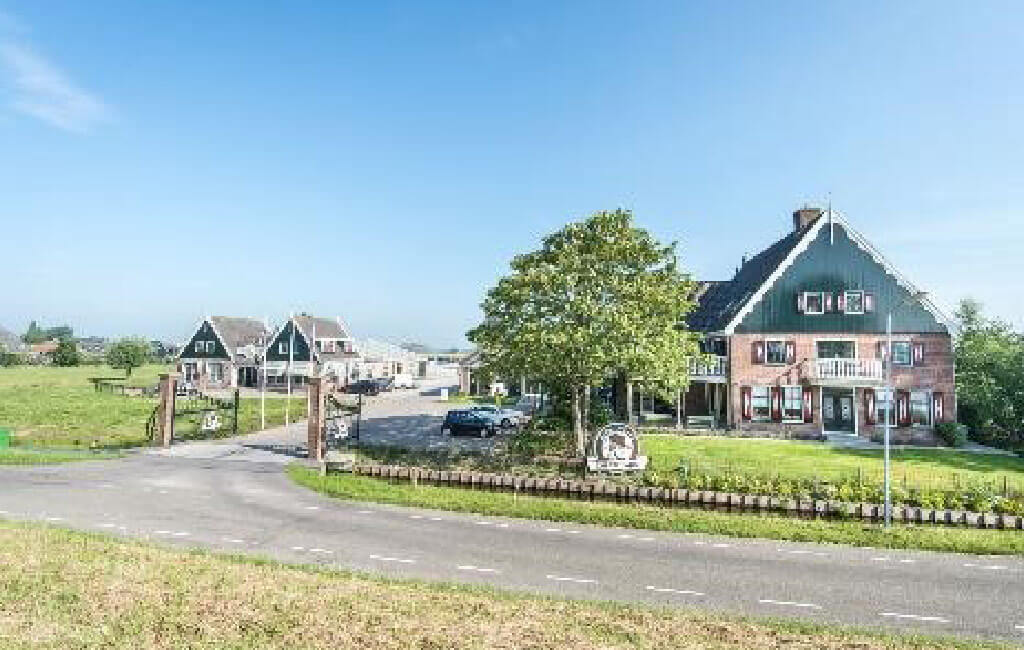 Cheese farms
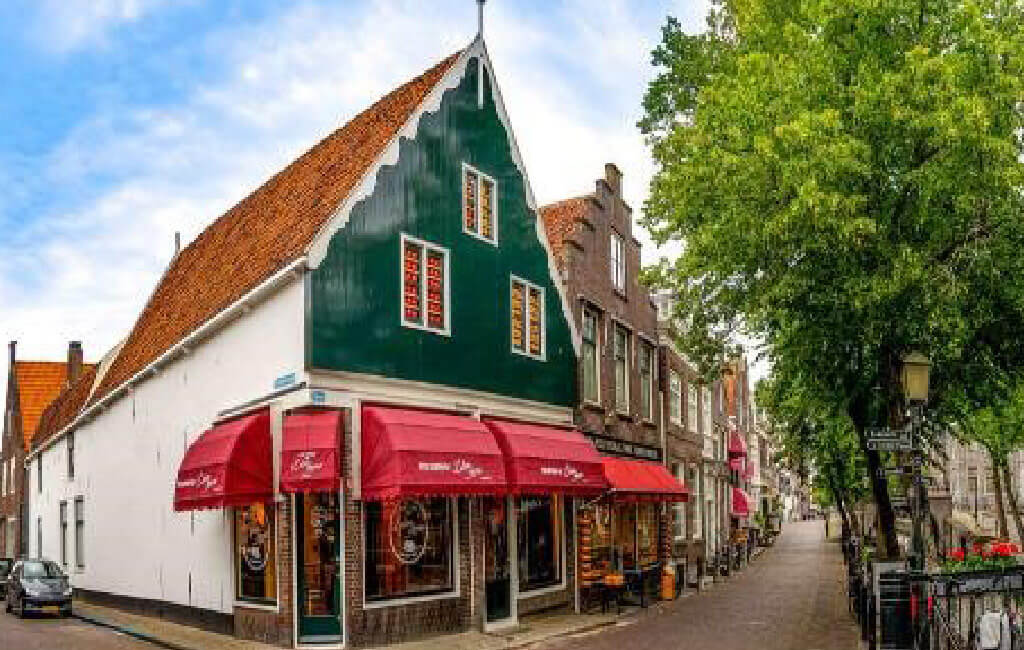 Experiences
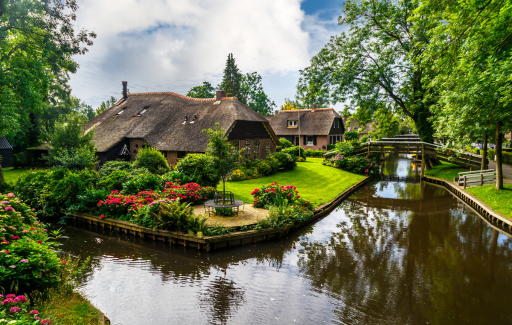 Grand Cafe Henri Willig Giethoorn
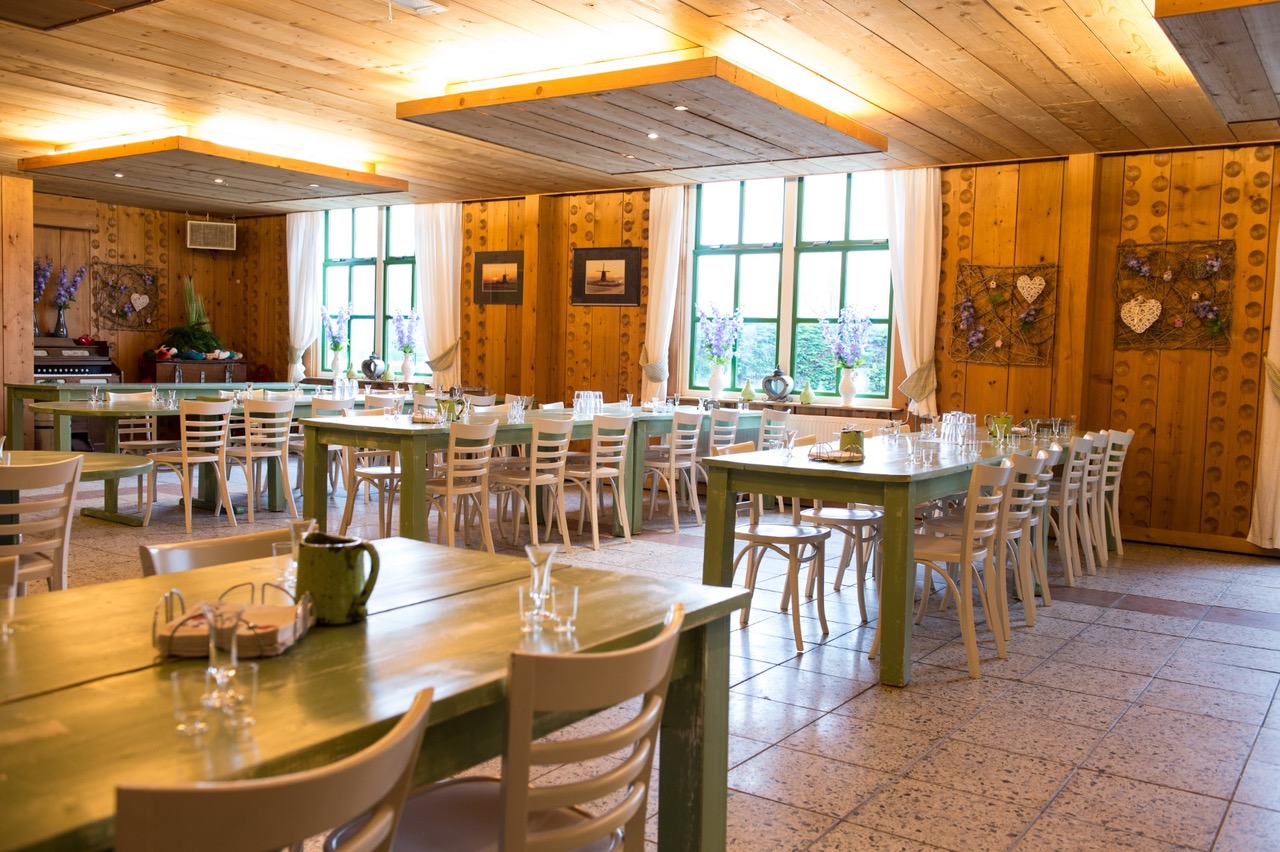 Restaurants
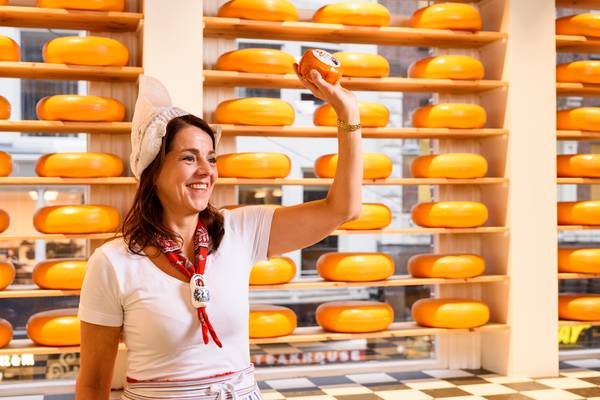 Tastings
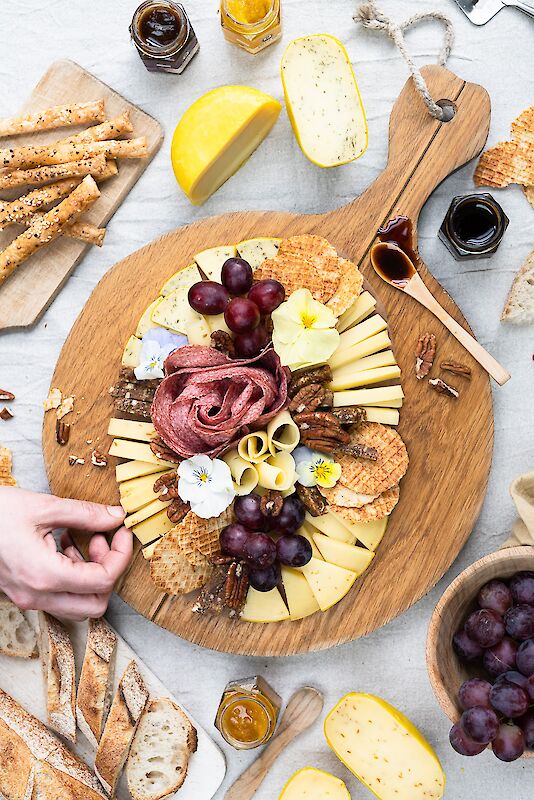 Recipes
 Meeting & Events
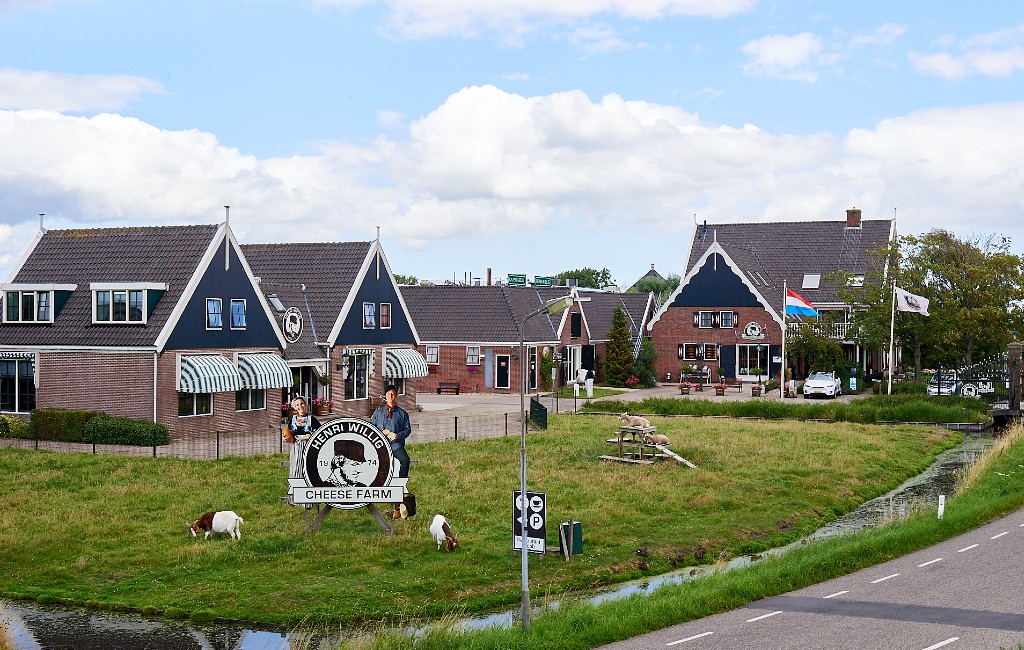 The Henri Willig family farm
 Cheese Production Process
 Experience our cheese
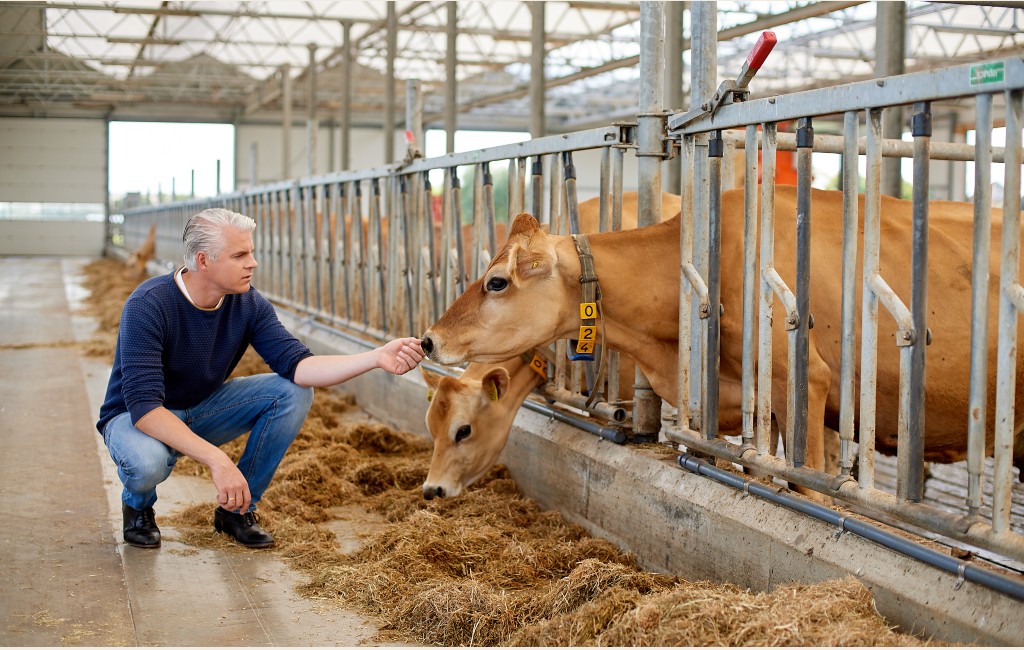 CSR
CSR

CO2 performance ladder
Within the management team, the Quality, Health, Safety and Environment (QHSE) Manager is responsible for the Energy Management System (EMS). The QHSE Manager is responsible for establishing an energy management team tasked with creating an EMS that, through the Deming cycle, contributes to the continuous improvement (i.e. reduction) of energy consumption per unit.
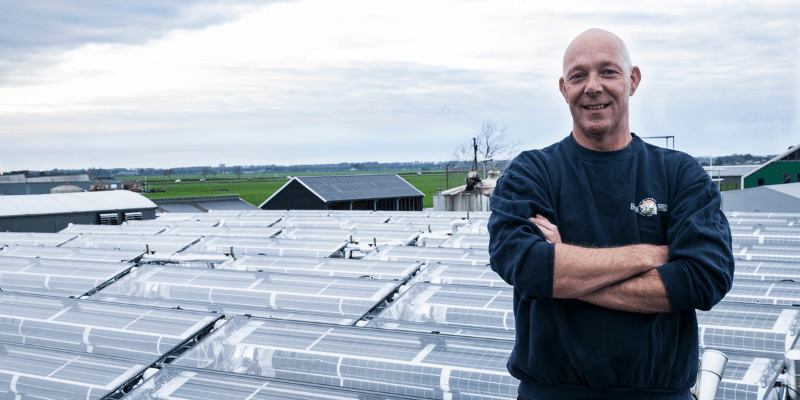
Energy policy
In order to improve energy consumption, the following matters will be taken into consideration:
- The EMS will be established and maintained;
- Time and budget will be made available to carry out EMS tasks;
- The scope will be periodically reviewed and checked to ensure it remains valid;
- The importance of the EMS will be communicated to all employees through messages on Insite;
- Tasks, responsibilities and authorities will be documented;
- The KPIs will be suitable for the company’s departments;
- Energy performance will be assessed over the long term;
- Energy consumption and reductions will be measured periodically;
- All matters will be included in a management review.
Short-term energy and CO₂ reduction targets
Cheese factories: 10% less CO₂ emissions per kilogram of cheese in 2030 compared to 2024.
Long-term energy and CO₂ reduction targets
The production facilities in Katwoude and Heerenveen will operate CO₂-neutral by 2050.
View our half-yearly CO₂ report
Discover Henri Willig’s energy savings and sustainable initiatives.
Participation in initiatives
The Energy and Environment Coordinator actively participates in inspiration tours organised by the National Programme for Industrial Sustainability (NPVI) in collaboration with the Netherlands Enterprise Agency (RVO). In addition, two members of the management team, together with the Energy and Environment Coordinator, visited Marfo Foods to gain insight into their large-scale sustainability project.
The company also actively participates in a working group of the Dutch Dairy Association, where important topics are discussed regarding energy, water consumption, pollution, recycling and other sustainability-related issues.
More detailed information can be found on the SKAO website.